BSVT inaugurates vertical transportation training courses in Bengaluru
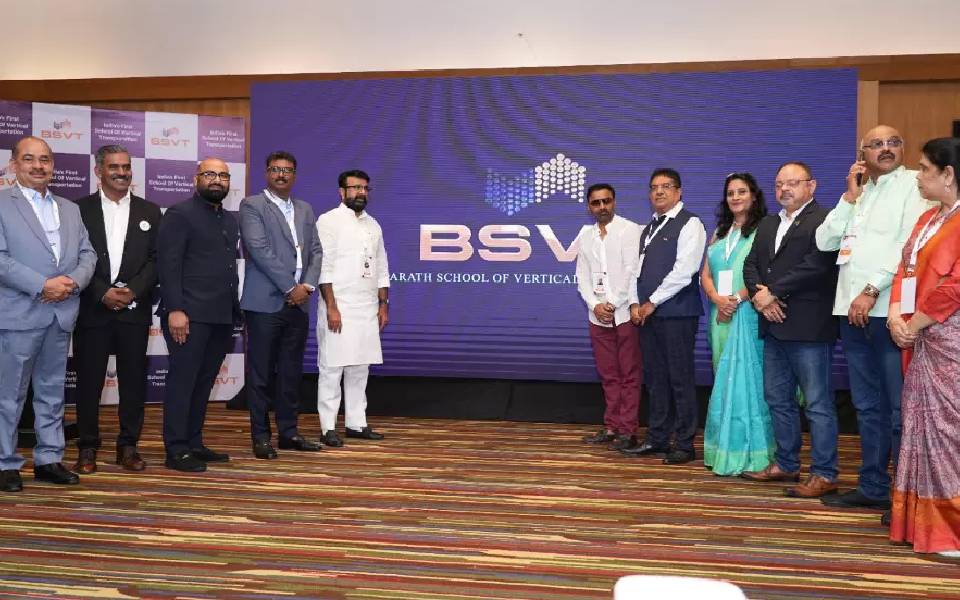
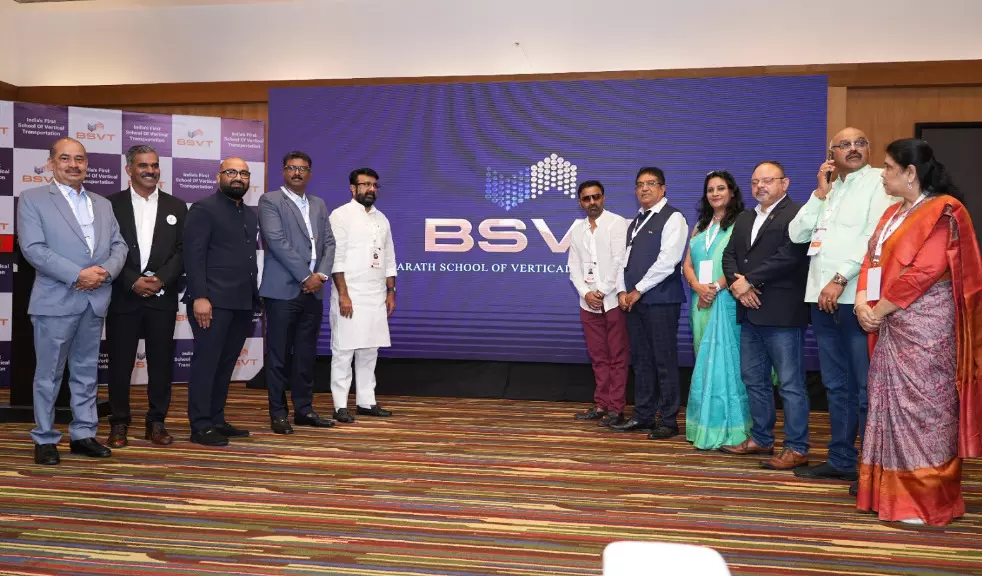
Bengaluru: The Bharat School of Vertical Transportation (BSVT) launched a series of specialized courses during a function held at Lalit Ashok Hotel on Wednesday. The event marked the inauguration of India's first training center dedicated to vertical transportation.
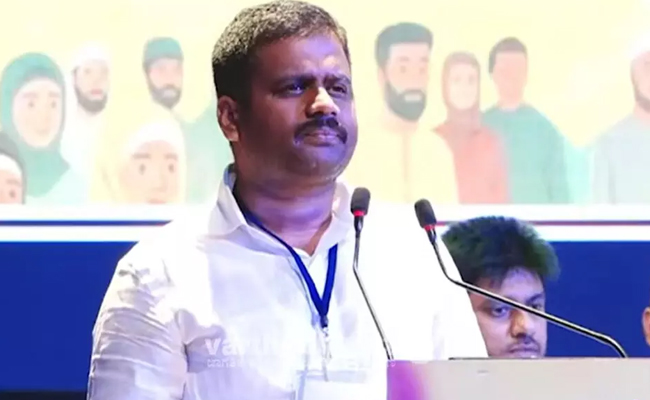
CEO of BSVT, Santosh Kumar, highlighted the institute's goal to address the educational and employment needs of students. "Every year, 10 to 12 lakh students complete SSLC in our state. Out of these, over 3 lakh students opt for PUC, and for the remaining students, BSVT offers hope for their future. Our aim is to train and employ at least one lakh individuals annually and send them abroad," he stated.
Kumar emphasized the importance of adapting to the digital era, which allows global connectivity. "Our organization has established the first training center in Bangalore, dedicated to vertical transportation. The objective of BSVT is to revolutionize the vertical transportation industry through education and training. We are committed to providing high-quality education and career opportunities with our unique curriculum and strong industry relationships," he added.
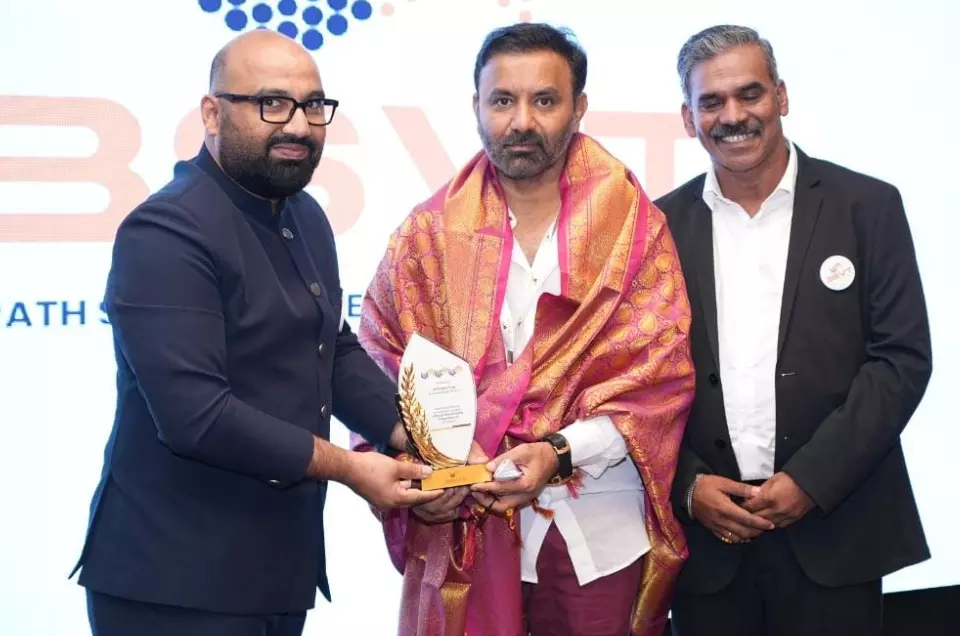
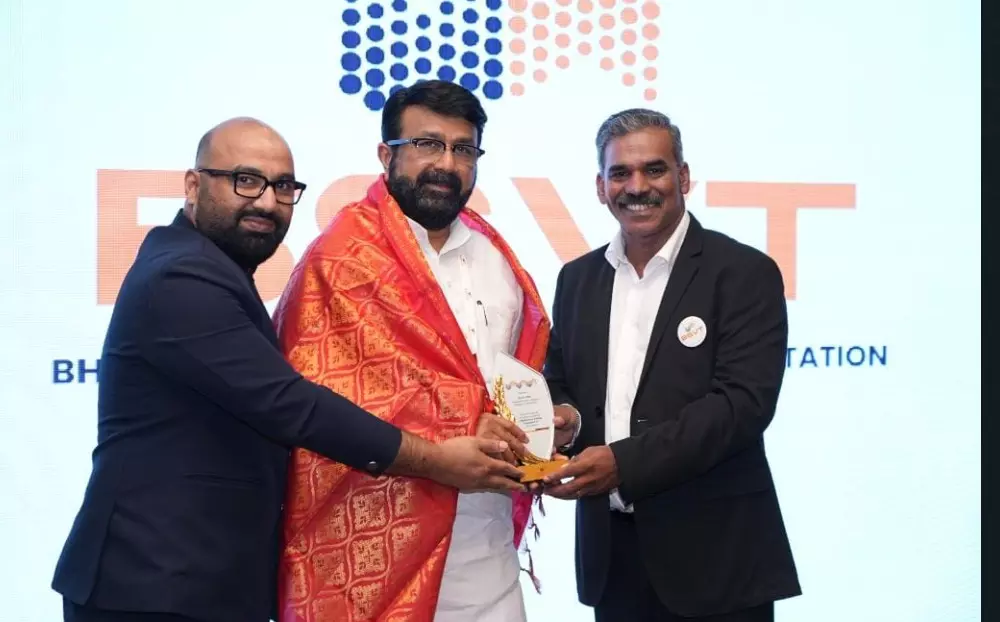
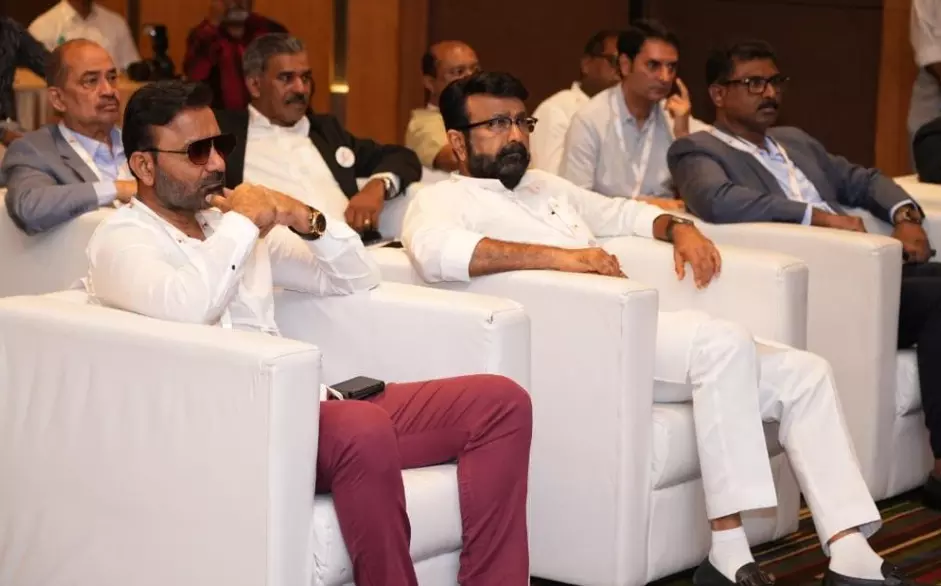
The inauguration ceremony was attended by several dignitaries, including Karnataka State Government Labor Minister Santhosh Lad, Bangalore Development Authority Chairman and Shanti Nagar MLA NA Harris, retired IPS officer and former Bangalore Police Commissioner Bhaskar Rao, and Karnataka State Guarantee Implementation Authority Vice Chairman SR Mehroz Khan. BSVT Managing Director Mohammed Mushtaque extended a warm welcome to the guests and other attendees.
Presiding over the event, Minister Santosh Lad commended BSVT for offering a diploma course in vertical transportation for the first time in the country. He emphasized the need to address skill shortages in the industry and encouraged partnerships with national and international institutions to enhance employment opportunities. He also mentioned that SC and ST students receiving skill training at BSVT would be included in the government's "Ashadeep Yojana" and provided with stipends.
The courses offered by BSVT include:
- Diploma in Vertical Transportation Technology
- Upskilling Program in Vertical Transportation - Maintenance
- Upskilling Program in Vertical Transportation - Testing Commissioning
- Advanced Course in Lift Installation
- Vertical Transportation - Modernization Program
- Safety Compliance in Vertical Transportation
- Rescue Operation Training Program
BSVT has partnered with several vertical transportation companies worldwide to provide valuable internship and job opportunities for students.
The event concluded with BSVT MD Mohammed Mushtaque honoring the guests and expressing gratitude for their support.
Let the Truth be known. If you read VB and like VB, please be a VB Supporter and Help us deliver the Truth to one and all.
Shivakumar opposes ‘One Nation One Election’, calls it ‘unworkable’
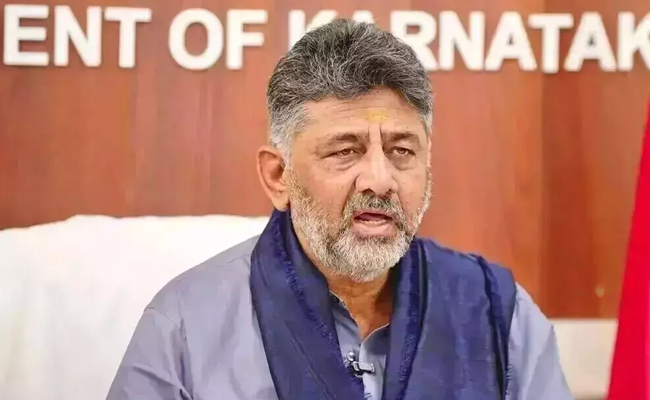
Bengaluru (PTI): Karnataka Deputy Chief Minister D K Shivakumar on Saturday strongly opposed the central government’s proposed ‘One Nation One Election’ initiative.
Shivakumar expressed his views at a dialogue on ‘One Nation One Election’ organised by the Joint Parliamentary Study Committee.
He said the plan is a politically motivated, power-centralising scheme that would seriously damage India’s federal structure by weakening states and poses a threat to the democratic system, according to a statement from his office.
As KPCC president and deputy CM of Karnataka, he categorically rejected the proposal, stating that it is being crafted to suit the convenience of those in power at the Centre.
Shivakumar said that the Karnataka Legislative Assembly had already passed a resolution opposing ‘One Nation One Election’ and read out the resolution at the meeting.
He firmly stated that it is “not a workable plan” and added that it is “practically impossible.”
“If a government falls midterm due to political instability, a no-confidence motion, or loss of majority, what is the solution?” he asked.
“Elections are held at different times in different states for different terms. Karnataka had its election in 2023, while Tamil Nadu and Kerala had theirs in 2021, and Punjab and Telangana in 2022 and 2023, respectively. How can these elections with varying schedules be synchronised?” he asked.
He added that the proposal is a ploy to suppress the voices of regional and Opposition parties.
He also said the Karnataka government does not agree with the proposal and remains committed to the position of the Congress party’s national leadership.