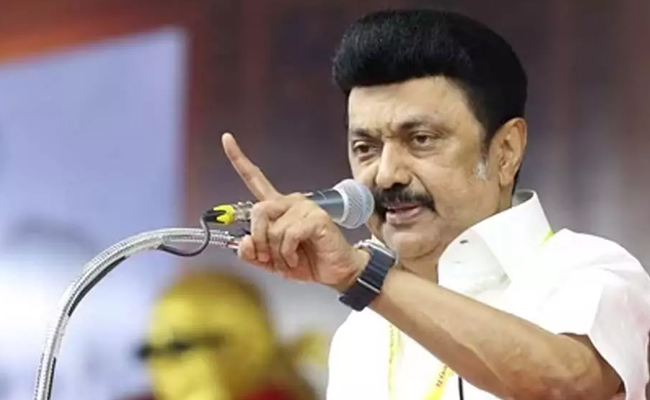
Bypolls to 2 Assembly constituencies in Karnataka on October 30
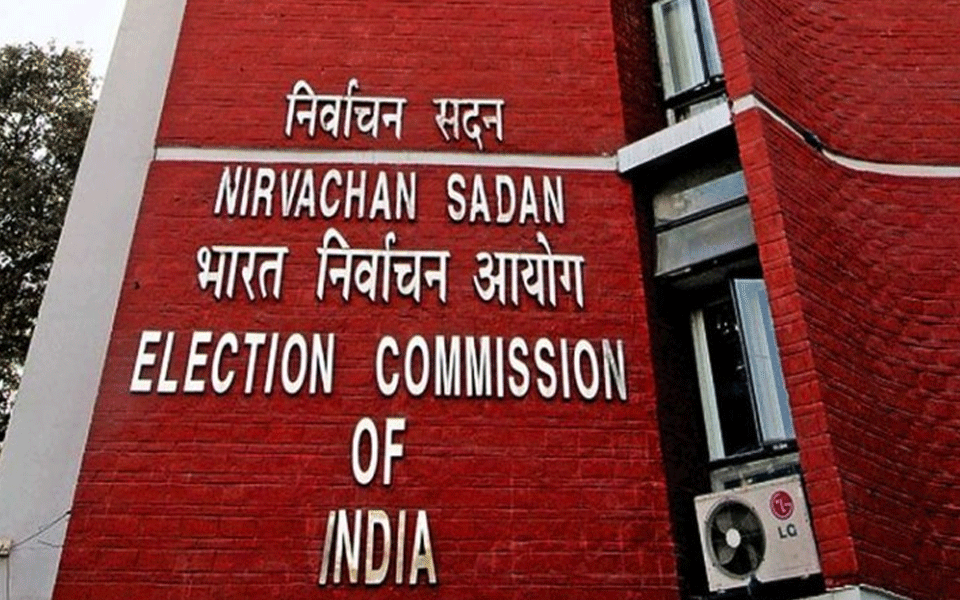
Bengaluru (PTI): Bypolls to two Assembly constituencies in Karnataka -- Sindgi and Hangal -- will be held on October 30, the Election Commission announced on Tuesday. The by-elections have been necessitated as they fell vacant following the death of JD(S) legislator M C Manguli in Sindgi and BJP's C M Udasi in Hangal.
The election notification will be issued on October 1, which also marks the commencement of filing of nominations.
October 8 is the last day for filing of nominations. Scrutiny will take place on October 1, and October 13 is the last day for withdrawal.
Counting of votes will be taken up on November two. The Election Commission on Tuesday announced that bypolls to three Lok Sabha seats and 30 assembly constituencies will be held on October 30. Chief Minister Basavaraj Bommai said the process of selection of candidates will begin soon, as he expressed confidence about the BJP winning both the seats.
He said in the recently held BJP core committee meeting, discussions took place on appointing observers to both the segments and state BJP president Nalin Kumar Kateel would take a call on it.
Senior leader Udasi, who had represented Hangal, was a six time MLA, and under his leadership, there was a lot of developmental work in the constituency, while BJP had won Sindgi thrice before losing it to late Manguli of JD(S) in 2018, he pointed out.
To a question about this being the first election under his leadership as the Chief Minister, Bommai said, "All leaders have faced by-election. We will face it under the leadership of the party."
Let the Truth be known. If you read VB and like VB, please be a VB Supporter and Help us deliver the Truth to one and all.
Union government assumes full control over TV ratings, TRAI role curtailed: Report
New Delhi: The Union government has assumed full control over television audience measurement, removing the Telecom Regulatory Authority of India (TRAI) from oversight of the ratings system that underpins the country’s ₹36,000 crore television advertising market, according to a report published on Wednesday.
The report in Mint said the Ministry of Information and Broadcasting (MIB) now has exclusive authority over the framework governing how television ratings are measured and regulated. TRAI had been entrusted with oversight of TV ratings in 2012 during the UPA government’s tenure. TRAI is no longer mentioned in the relevant policy document, effectively vesting sole authority in the MIB.
The report said TRAI will continue to regulate other aspects of broadcasting, including channel pricing, advertising caps, interconnection and distribution norms, service quality and compliance standards. Its role in determining how ratings agencies track viewing behaviour has been withdrawn.
Television Rating Points (TRPs), which reflect viewership patterns, guide advertisers in deciding where to allocate spending across channels and time slots.
A government source quoted in the report said the ministry could modify TRAI’s decisions even when the regulator oversaw broadcasting.
A former CEO of Prasar Bharati told the newspaper that the MIB has historically regulated rating agencies through licensing and guidelines, and by holding them accountable under existing norms.
During its tenure overseeing ratings, TRAI had taken decisions affecting the broadcast sector, which included capping advertising time at 12 minutes per hour following complaints about excessive commercial breaks and it now remains unclear how these matters will be addressed under the revised arrangement.
Satya N. Gupta, former principal advisor at TRAI, was quoted as saying that merging regulatory functions with policy oversight and removing an independent regulator from the process was a retrograde step.
TRAI’s involvement in broadcasting had earlier attracted criticism as well. In 2012, its consultation paper on quantitative limits on television advertising was viewed by some as overlapping with the Advertising Standards Council of India’s code. Subsequent recommendations covering television audience measurement, ownership of news channels and issues such as paid news had also raised concerns among sections of the industry.
Television ratings have faced scrutiny in recent years, including during the controversy involving the Broadcast Audience Research Council (BARC), where officials of the ratings body were prosecuted over allegations of manipulation of viewership data.