Caste-based discrimination found at IIM Bangalore; K'taka govt calls for action against officials
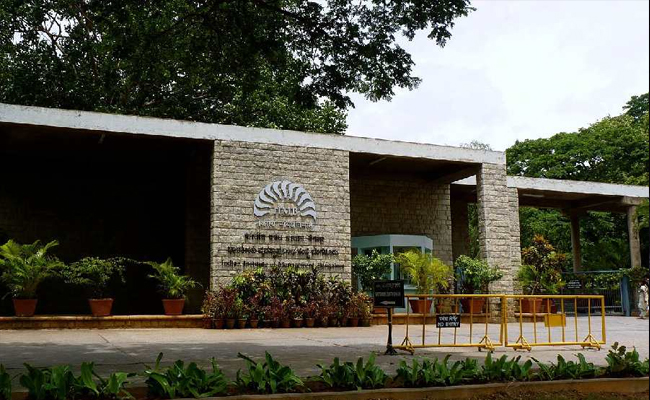
Bengaluru: An inquiry by the Directorate of Civil Rights Enforcement (DCRE) has uncovered evidence of caste-based discrimination at the Indian Institute of Management Bangalore (IIM-B), prompting the Karnataka Department of Social Welfare to recommend action against six senior officials, including the institute’s Director, Dr. Rishikesha T Krishnan.
The investigation revealed that Dr. Gopal Das, an associate professor of marketing from a Scheduled Caste (SC), faced public humiliation, workplace exclusion, and denial of equal opportunities. It also highlighted the institute’s failure to implement mandatory grievance redressal mechanisms for SC and Scheduled Tribe (ST) employees.
The inquiry detailed incidents where Dr. Krishnan allegedly disclosed Dr. Das’s caste in a mass email and, along with Dr. Dinesh Kumar, the Dean (Faculty), denied him professional opportunities. The allegations were first raised in January 2024, when Dr. Das wrote to President Droupadi Murmu during her visit to IIM-B, accusing the institution of systemic exclusion and caste-based discrimination.
Following a directive from the President’s office, the DCRE initiated an inquiry in March 2024. The investigation culminated in a report submitted by Additional Director General of Police (ADGP) Arun Chakravarthy to the Social Welfare Department on November 26.
The findings named other senior officials, including renowned cardiologist and Board of Governors Chairman Dr. Devi Prasad Shetty, along with Professors Sreelata Jonnalagedda, Rahul De, Ashish Mishra, and Chetan Subramanian. Dr. Shetty obtained a stay on the inquiry proceedings from the Karnataka High Court.
In response, the Karnataka Social Welfare Department directed the Bengaluru Commissioner on December 9 to initiate action against the remaining six officials under the Scheduled Castes and Scheduled Tribes (Prevention of Atrocities) Act, 2015.
IIM-B issued a statement asserting that it had cooperated fully with the DCRE inquiry but had not received a copy of the report. The institute described the media reports as "unfortunate" and highlighted its support for Dr. Das since his recruitment in 2018.
The institute also countered allegations of discrimination, noting that Dr. Das’s claims arose only after his promotion application was delayed due to complaints of harassment filed by doctoral students. An internal inquiry reportedly found the complaints against Dr. Das to be valid.
Let the Truth be known. If you read VB and like VB, please be a VB Supporter and Help us deliver the Truth to one and all.
US–Iran first round direct talks conclude in Islamabad: Report
_vb_48.jpeg)
The first round of direct talks between the United States and Iran, held in Islamabad, has concluded, Al Jazeera reported citing sources close to the development.
According to the report, following the discussions, delegations from both sides agreed to exchange written documents, a move aimed at ensuring clarity and consensus on the understandings reached during the meeting.
Both the Iranian and US delegations arrived in Islamabad on Saturday, April 11, amid high security for the peace talks.

_vb_17.jpeg)