Caste census report in Karnataka recommends increasing BC reservations to 51 pc
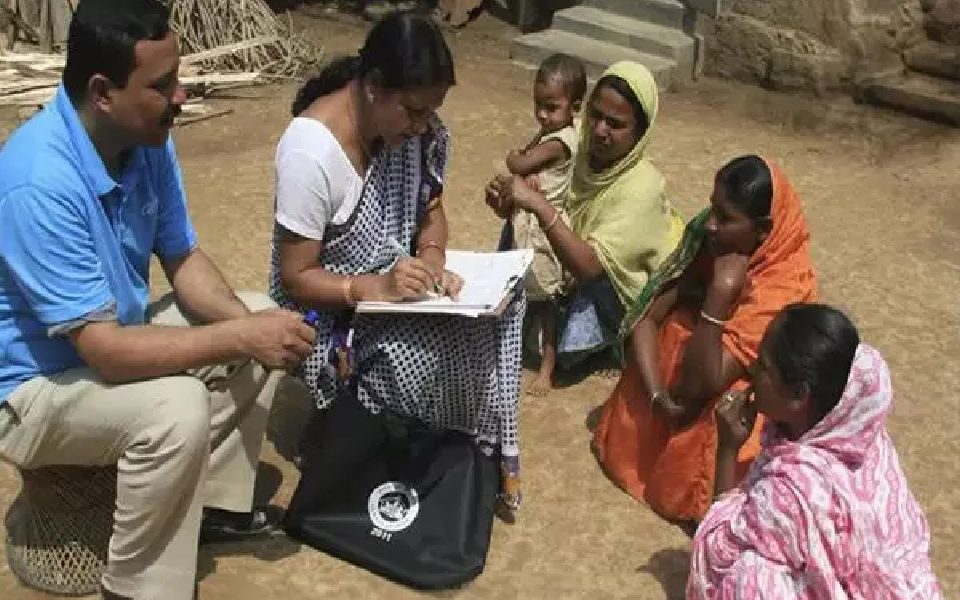
Bengaluru, Apr 12 (PTI): The caste census report, which was submitted before the Karnataka cabinet, has recommended increasing reservations for Backward Communities from the existing 32 per cent to 51 per cent, government sources said on Saturday.
According to sources, the Socio-Economic and Educational Survey, caste census in short, also highlights that the population of BC is 70 per cent.
The report also suggests that 51 per cent reservation should be given to the Backward Communities in educational institutions in the state.
It cited the example of Tamil Nadu and Jharkhand, which are providing 69 and 77 per cent reservations respectively as per the backward class population, the sources said.
According to the survey report, the population of Backward Communities in 1A category is 34,96,638, 1B- 73,92,313, 2A- 77,78,209, 2B- 75,25,880, 3A-- 72,99,577 and the Backward Community in the 3B category is 1,54,37,113, sources claimed.
This way the total population of Other Backward Castes is 4,16,30,153, sources said.
The sources citing the report claimed that the Scheduled Caste and Scheduled Tribes population is 1,09,29347 and 42,81,289 respectively. The sample survey comprises population of 5,98,14,942.
The survey was initially commissioned by H Kantharaj in 2015 and later Karnataka State Commission for Backward Classes Chairman K Jayaprakash Hegde completed it and submitted the report to Chief Minister Siddaramaiah in February 2024.
Let the Truth be known. If you read VB and like VB, please be a VB Supporter and Help us deliver the Truth to one and all.
China asks Iran to ensure freedom of navigation through Strait of Hormuz
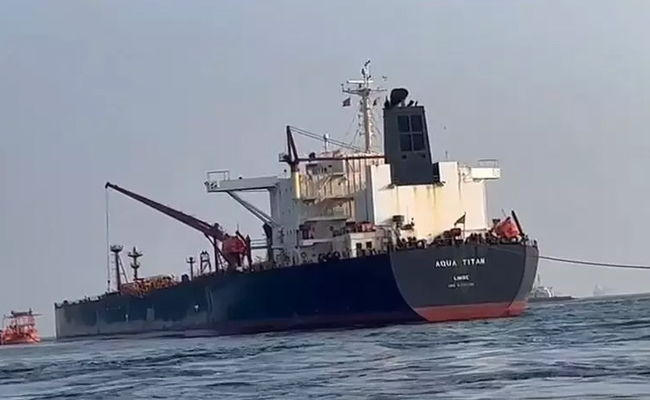
Beijing (PTI): Chinese Foreign Minister Wang Yi has asked Iran to ensure freedom and safe passage through the Strait of Hormuz, a first such call issued by Beijing ever since Tehran started to put a squeeze on the critical waterway in the midst of its war with the US.
Wang has sought guarantees of freedom and safety of international navigation through the Strait of Hormuz in a phone call with Iranian counterpart Abbas Araghchi on Wednesday.
Wang’s call coincided with a Pakistan mediation delegation headed by Field Marshal Asim Munir reaching Tehran on Wednesday to discuss new peace proposals for a second round of talks between the US and Iran in Islamabad.
China, a close ally of Iran and the largest importer of Iranian oil, was also concerned over the energy crisis accentuated by the US blockade of the Strait, preventing ships from carrying oil and gas from Iran's ports.
The Strait of Hormuz is a vital 55-km-wide maritime choke point between Iran and Oman, managing roughly 20 per cent of global oil trade.
Opening of the Strait was the second most important demand by US President Donald Trump, besides halting Iran's nuclear energy.
"The current situation has reached a critical stage of transition between conflict and peace, and a window for peace is opening,” Wang told Araghchi, according to a statement by the Chinese foreign ministry.
Wang said Iran, as a coastal state of the Strait of Hormuz, should have its sovereignty, security and legitimate rights and interests respected and safeguarded.
"At the same time, the freedom and safety of international navigation through the strait should also be ensured, and efforts to restore normal transit through the strait are a shared call of the international community,” he said.
Araghchi said Tehran expected China to play an active role in promoting peace and ending the conflict, and that Iran was willing to continue seeking a rational and realistic solution through peaceful negotiations, Hong Kong based South China Morning Post reported.
The US blockade followed an initial round of talks in Islamabad over the weekend that had aimed at permanently ending the conflict but failed to produce an agreement, with divisions remaining over thorny issues, particularly Iran’s nuclear programme and the Strait of Hormuz.
The Chinese foreign ministry on Tuesday sharply criticised the US blockade as “dangerous and irresponsible”, saying it risked escalating tensions and undermining the shaky ceasefire.