CCB busts counterfeiting ring in Bengaluru, seizes fake products worth ₹95 lakh

Bengaluru: The Central Crime Branch (CCB) has apprehended a gang engaged in the clandestine manufacturing and distribution of counterfeit products bearing the names of prominent brands. The company, spanning five years, targeted everyday consumer goods.
The arrested individuals, Shiv Patil, Daulat Singh, and Shubham, were apprehended following a thorough investigation after complaints from companies such as Hindustan Unilever Limited and Reckitt Benckiser India Limited. The CCB's intervention led to the dismantling of the illicit network.
During a raid on a godown in Wilson Garden and factories in Rampur and Bidarahalli near Avalahalli, authorities seized a lot of counterfeit items including Surf Excel, Vim Liquid, Lifebuoy Hand Wash, Rin, Wheel Detergent Powder, Red Label Tea Powder, Lyzal, and Harpic. The total value of the confiscated goods amounts to ₹95 lakh.
Originating from North India, the arrested suspects had established themselves in Bengaluru several years ago. Allegedly mentored by a notorious figure in counterfeit trade, Mahesh Gandhi, they assimilated the trade's intricacies before branching out to create their own organised network. Shiv Patil specialised in manufacturing the counterfeit goods, while Daulat Singh oversaw their distribution, a venture they diligently pursued for half a decade.
A case has been registered at the Wilson Garden Police Station.
Let the Truth be known. If you read VB and like VB, please be a VB Supporter and Help us deliver the Truth to one and all.
Congress using hijab issue to pacify minority anger, alleges Karnataka LoP R Ashoka
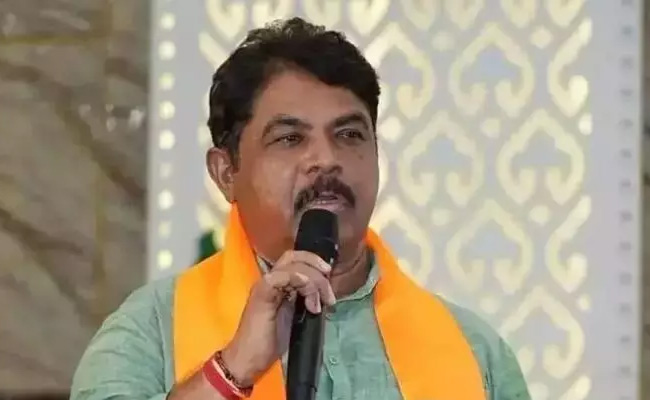
Bengaluru: Leader of Opposition in the Assembly R. Ashoka has accused the Congress government of using the hijab issue to placate what he described as discontent among minority voters after the Davanagere by-election.
In a post on X on Wednesday, Ashoka alleged that the state government, instead of addressing issues such as price rise, corruption, farmers’ distress and law and order, was attempting to retain its minority vote base by reviving the hijab issue.
Referring to the 2022 dress code introduced by the BJP government, which prohibited hijab in schools and colleges, Ashoka said the Karnataka High Court had upheld the policy and emphasised the importance of discipline in educational institutions.
He questioned the Congress government’s move to revisit the issue and asked whether setting aside the court-backed policy to benefit one community could be described as secularism.
Ashoka further alleged that while the government was willing to permit hijab, it continued to prohibit saffron shawls.
He accused the government of dividing students on religious lines rather than treating schools and colleges as spaces of equality.
Drawing a comparison with Mamata Banerjee’s government in West Bengal, Ashoka claimed that excessive appeasement politics had harmed the state and warned that the Congress in Karnataka could face a similar political response.
He said voters in Karnataka would teach the Congress a lesson for what he termed “vote-bank politics” and for compromising constitutional and judicial principles.