Centre must also act on Anganwadi honorarium hike: Minister Lakshmi Hebbalkar
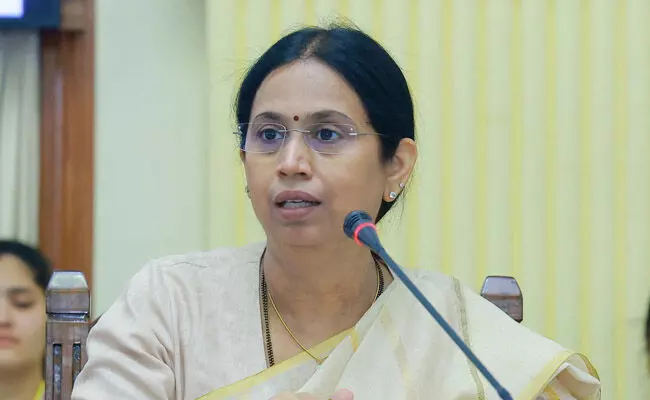
Bengaluru: Women and Child Development Minister Lakshmi Hebbalkar said it is not right to place the entire responsibility on the state government regarding the demand to increase honorarium for Anganwadi workers, and called on the Union government to step forward on the issue.
Replying to a question by Melukote MLA Darshan Puttannaiah during the Question Hour in the Budget session on Wednesday, the minister said Karnataka is among the states that provide higher honorarium to Anganwadi workers and helpers, ranking fourth in the country.
She said Anganwadi and ASHA workers play a key role in delivering government schemes to the public and the state government is committed to their welfare. Karnataka provides higher honorarium compared to many states, with only Haryana, Telangana and Kerala offering more, she added.
The minister said the Union government contributes Rs 2,700 as honorarium for Anganwadi workers, while the remaining Rs 9,800 is borne by the state government. She noted that in April last year, the state increased the honorarium by Rs 1,000 for Anganwadi workers and Rs 750 for helpers.
ALSO READ: Bengaluru family attempts to send man in 'parcel' to protest high bus fares ahead of Ugadi, Ramzan
Hebbalkar said the government has received requests for further increase, stating that the current honorarium is not sufficient considering the work involved. She added that a proposal has already been submitted to the Finance Department in this regard.
“If the Union government takes a step forward, we will also move ahead. They too must act,” she said.
The minister also announced that from the current year, government Montessori sections will be started in 5,000 Anganwadi centres. The aim is to provide quality early education along with nutrition.
She said around 17,000 Anganwadi teachers with qualifications such as BA, BEd, MA and MCom are currently working, and maintaining quality in these government Montessori centres will be a priority.
Let the Truth be known. If you read VB and like VB, please be a VB Supporter and Help us deliver the Truth to one and all.
Trump says he ‘hasn’t even thought about’ continuing Iran ceasefire
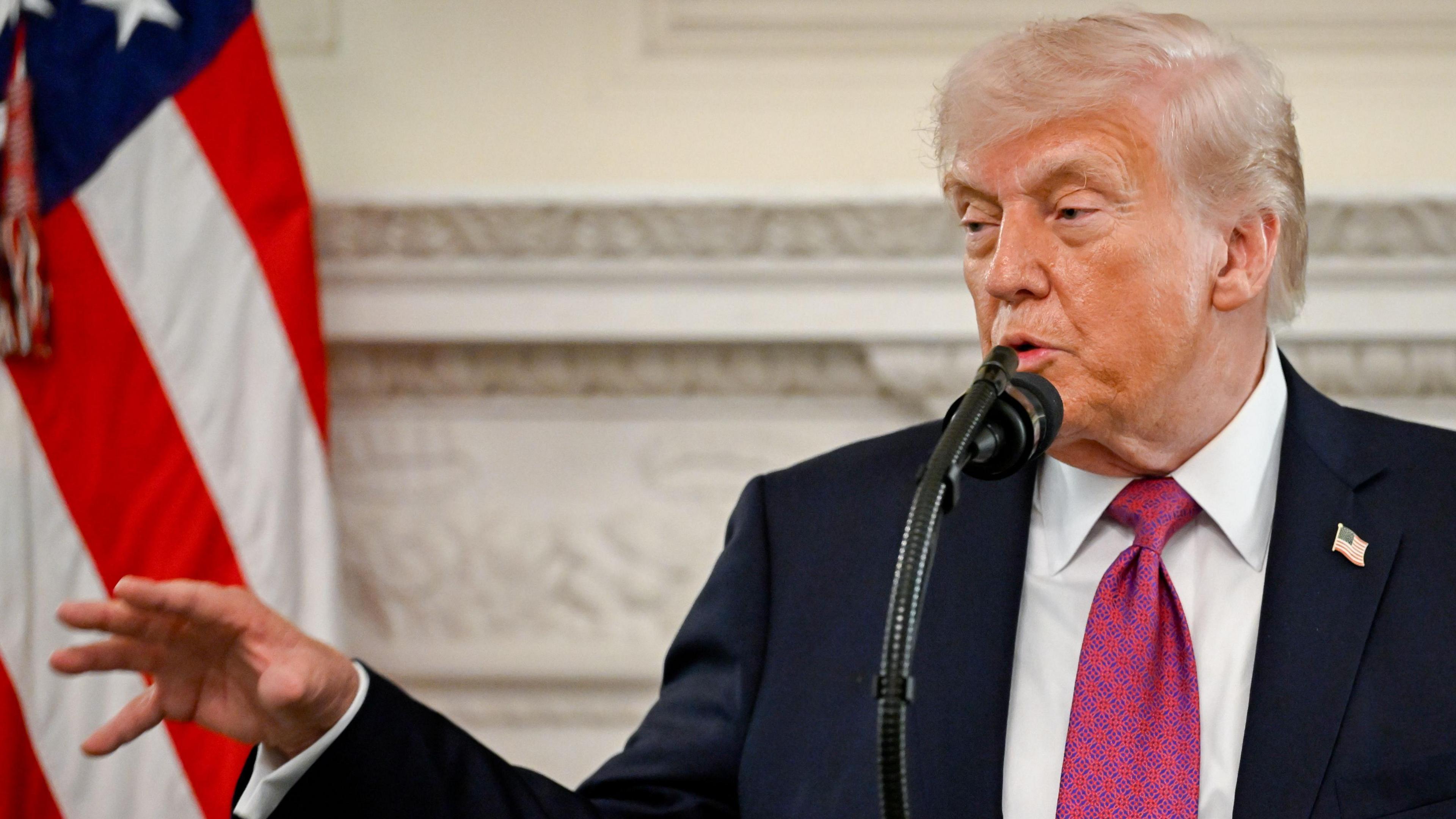
Washington: US President Donald Trump has said he has not yet considered whether he would continue the ceasefire involving Iran, while also claiming the United States holds the advantage in negotiations.
Speaking to reporters, Trump said he was prepared to make a deal with “whoever is running the show” in Iran.
“They are fighting with each other, there’s tremendous infighting. They’re probably fighting for leadership in many cases. I think they’re fighting not to be leader because we knocked out two levels of leaders,” he said.
Trump added, “When they want they can call me. We have all the cards, we’ve won everything.”
Referring to ongoing negotiations, he said, “They gave us a paper that should’ve been better. And, interestingly, immediately when I cancelled it [envoy trip to Pakistan], within 10 minutes we got a new paper that was much better.”
“We talked about they will not have a nuclear weapon, very simple … They offered a lot, but not enough,” he added.
When asked whether he would continue the ceasefire, Trump replied, “I haven’t even thought about it.”
The remarks come as uncertainty remains over the future of the temporary truce and broader negotiations between Washington and Tehran.