CET and NEET: 26,555 seats in professional courses remain unallocated in Karnataka for 2025–26
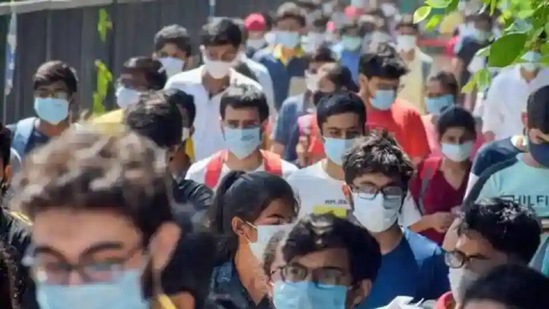
Bengaluru: Despite the ongoing admission process for the academic year 2025–26, a total of 26,555 professional course seats remain unallocated in Karnataka due to different reasons, including the option entry with emphasis on only limited colleges.
Karnataka Examinations Authority (KEA) announced the final results of the first round of seat allotments on August 2. Of the 1,35,954 seats available across various professional programs, including engineering, medicine, nursing, and allied health sciences, only 1,09,399 have been allotted so far, The Hindu reported.
A major chunk of the unallocated seats belongs to the B.Sc. Nursing program. Out of 31,726 seats available, only 15,186 were filled, leaving 16,540 vacant. In engineering, 5,327 seats remain unfilled out of a total of 77,140, while in medical courses, 942 out of 9,263 seats are yet to be allotted. Additionally, 1,329 seats remain unclaimed in the B.Sc. Allied Health Sciences category.
According to a KEA official, many students selected only four to five top colleges as their preferred options without verifying their ranks or the cutoff marks, hoping to secure a seat in those institutions.
“Due to minimum number of colleges being selected, thousands of students, despite having good rank in Common Entrance Test (CET), have not got a seat in any college. In the wake of such option entry with emphasis on limited colleges, when the mock allotment result was announced, about 51,935 students were not allotted a seat in any college,” The Hindu quoted the official as saying.
Seats under special category quotas, including rural, Kannada medium, and NRI quotas, have also remained largely unallocated.
KEA Executive Director H. Prasanna emphasised the importance of broadening college preferences during option entry. “Since students have given option entry to only a limited number of colleges, the number of seats remaining unallotted ranges between 35% and 40%. We have been advising students to give option entry to more colleges since the beginning, but they have not followed it. Otherwise, seats under various quotas remain unallotted due to non-availability of candidates. For example, most of the seats remaining unallotted in medical seats are NRI quota seats,” The Hindu quoted Prasanna as saying.
He added that unallotted seats from the first round would be included in the second and third rounds of option entry. Category-specific vacant seats will be converted to general merit seats in the final round to maximise seat allotment.
“For example, if there are no candidates available for rural and Kannada medium quota seats, those seats will be converted into general merit seats. SC/ST rural quota seats will be converted into SC/ST regular seats, and option entry will be given. This will fill almost all the seats,” he explained.
Let the Truth be known. If you read VB and like VB, please be a VB Supporter and Help us deliver the Truth to one and all.
Congress using hijab issue to pacify minority anger, alleges Karnataka LoP R Ashoka
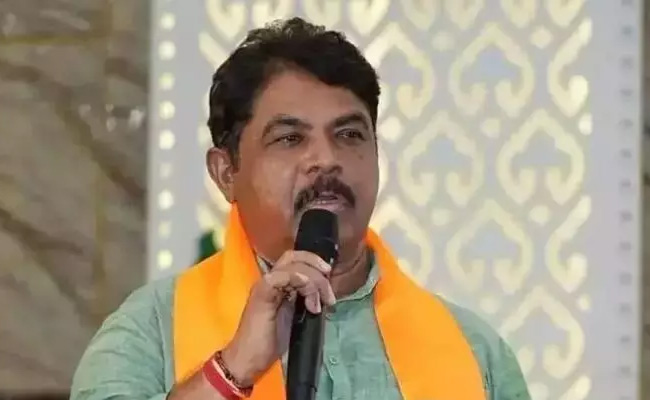
Bengaluru: Leader of Opposition in the Assembly R. Ashoka has accused the Congress government of using the hijab issue to placate what he described as discontent among minority voters after the Davanagere by-election.
In a post on X on Wednesday, Ashoka alleged that the state government, instead of addressing issues such as price rise, corruption, farmers’ distress and law and order, was attempting to retain its minority vote base by reviving the hijab issue.
Referring to the 2022 dress code introduced by the BJP government, which prohibited hijab in schools and colleges, Ashoka said the Karnataka High Court had upheld the policy and emphasised the importance of discipline in educational institutions.
He questioned the Congress government’s move to revisit the issue and asked whether setting aside the court-backed policy to benefit one community could be described as secularism.
Ashoka further alleged that while the government was willing to permit hijab, it continued to prohibit saffron shawls.
He accused the government of dividing students on religious lines rather than treating schools and colleges as spaces of equality.
Drawing a comparison with Mamata Banerjee’s government in West Bengal, Ashoka claimed that excessive appeasement politics had harmed the state and warned that the Congress in Karnataka could face a similar political response.
He said voters in Karnataka would teach the Congress a lesson for what he termed “vote-bank politics” and for compromising constitutional and judicial principles.