Chapter on Tipu Sultan dropped from class 7 textbook in Karnataka
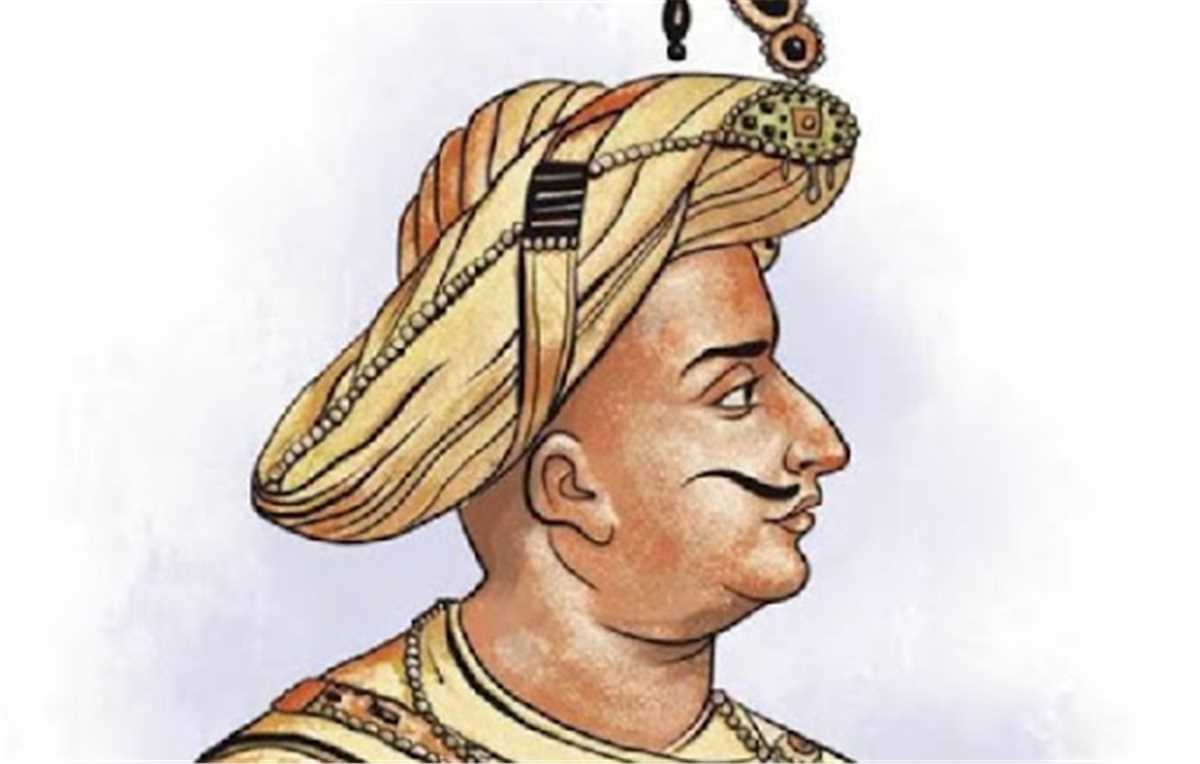
Bengaluru: The chapter on 18th century Mysore ruler Tipu Sultan and his father Haider Ali are among those that have been dropped from the class 7 social science textbook, following the Karnataka government's decision to reduce the 2020-21 syllabi due to the COVID-19 pandemic.
However, the chapters on Tipu have been retained in class 6 and 10 books, official sources said.
The revised syllabus uploaded on the Karnataka Text Book Society (KTBS) website shows that in class 7, social science text, chapter 5 that deals with Haider Ali and Tipu Sultan, Historical places of Mysore, and Administration of Commissioners have been dropped.
The Department of Public Instructions decided to reduce the syllabus for the year 2020-21 in view of the pandemic and disruption in the academic calendar for the year, which has been brought down to 120 working days.
Responding to a question on dropping the chapter, officials said it should be noted that the students study about Tipu in classes 6 and 10.
A couple of months back, amid the growing clamor from some BJP leaders to remove a chapter in the textbook glorifying Tipu Sultan, the government had constituted an expert committee to look into it.
The committee however had recommended that the ruler cannot be ignored from the school syllabus.
Commenting on the development, Karnataka Congress President D K Shivakumar said that the BJP government was taking such decisions with a political agenda in mind.
Pointing out that Tipu was a historical figure, he said "history is history...you cannot change history.
We will not accept it. Congress will take it seriously by setting up a committee to look into it."
Soon after coming to power, the BJP government in Karnataka had scrapped the birth anniversary celebrations of Tipu Sultan, an annual government event the party had been opposing since 2015 when it was launched during the Congress rule, led by Siddaramaiah.
The BJP and right-wing organizations have been strongly opposing Tipu, calling the erstwhile Mysore king a "religious bigot".
Tipu was considered an implacable enemy of the British East India Company.
He was killed in May 1799 while defending his fort at Srirangapatnam against the British forces.
Tipu Sultan, however, is a controversial figure in Kodagu district as Kodavas (Coorgis), a martial race, believes that thousands of their men and women were held captive during his occupation and subjected to torture, death and forcible conversion to Islam.
He was also accused of execution of Mandyam Iyengars at the temple town of Melkote in Mandya district on the day of Deepawali as they supported the then Maharaja of Mysuru.
However, the scale of such suppression is disputed by several historians, as they see Tipu as a secular and modern ruler who took on the might of the British.
While BJP and some Hindu organizations see Tipu as a "religious bigot" and a "brutal killer", a few Kannada outfits call him "anti-Kannada", saying he had promoted Persian at the cost of the local language.
Let the Truth be known. If you read VB and like VB, please be a VB Supporter and Help us deliver the Truth to one and all.
Commercial LPG price hiked by Rs 993 per 19-kg cylinder
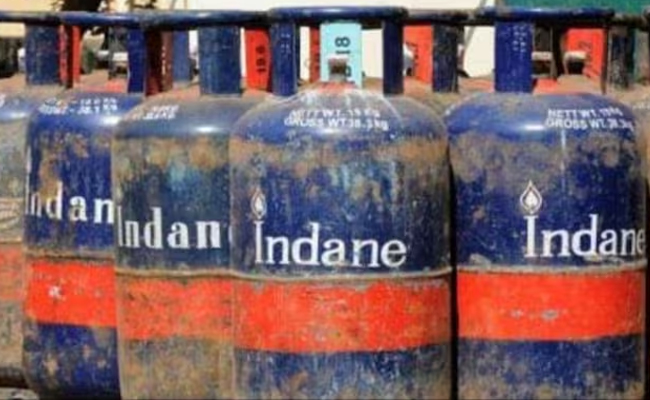
New Delhi (PTI): The price of commercial LPG was hiked by the steepest ever Rs 993 per 19-kg cylinder on Friday, marking the third straight monthly increase due to rising global energy prices linked to the West Asia conflict.
A 19-kg commercial LPG - used by establishments such as hotels and restaurtants - now costs a record Rs 3,071.5 in Delhi as against Rs 2,078.50 previously.
Rates were last increased by 195.50 per cylinder on April 1. Prior to that, prices had gone up by Rs 114.5 per 19-kg cylinder on March 1.
In three increases, commercial LPG rates have gone up by Rs 1,303.
Prices of domestic cooking gas LPG - the one used in household kitchens - remained unchanged. Domestic LPG rates were last hiked by Rs 60 per 14.2-kg cylinder on March 7. It costs Rs 913 per 14.2-kg cylinder in Delhi.
State-owned Indian Oil Corporation, Bharat Petroleum, and Hindustan Petroleum revise ATF and LPG prices on the first day of every month based on international benchmarks and the exchange rate.
Global oil prices have shot up almost 50 per cent after the war in West Asia disrupted energy supply chains.
Petrol and diesel prices continue to remain frozen after a Rs 2 per-litre reduction in March last year; petrol currently costs Rs 94.72 per litre in Delhi and diesel Rs 87.62.