Chikmagaluru lad Hamdi Imran gets Asia Book of Record honour
A versatile young artiste from Malnad, making his name in painting
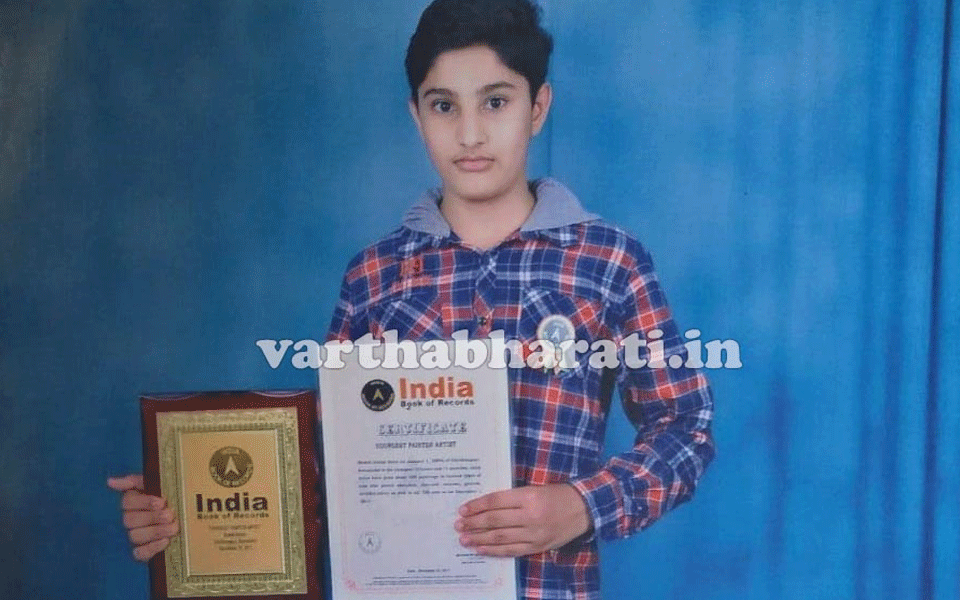
Chikmagaluru, November 21: A boy from the city here is a fine example of how a child can achieve greater heights provided proper encouragement to his talent and nurture it. The boy studying SSLC in the Vasavi School of the city marked his name in the international level and brought laurels to the state and the district.
The boy named Hamdi Imran has nurtured his talent in painting to reach his goal. He has emerged as the youngest painter in the international level and now, got a place in the Asia Book of Records.
Being the son of Shahida Shabana and Khalid Imran, Hamdi Imran is just 15 years old student and appreciated by the art lovers across the globe. Having expertise in painting in such a young age, he has got first places in district and state level painting contests and now, has got the international award.
Interestingly, neither his father nor his mother knows anything about painting. None of his family members know anything. But while staying with his mother at farm house during childhood days, he used to scribble on the walls just to make them ugly. But observing his drawing on the walls, his parents identified his talent in painting in his young age and encouraged him to pursue his interest.
In his fourth year, Imran has developed lot of interest in colour painting. During his school days, he got some training from his drawing teacher. But very soon, Imran proved his mettle in painting. After that, he never looked back. Because of the encouragement of his parents, he has carved his name in the international level.
So far, Imran has drawn more than 400 attractive paintings in various mediums and many of them have got awards and prizes. Imran achieved mastery in modern, emotional, and other form of paintings. He has participated in various national level and international level painting competitions including state level Pratibha Karanji contests. He also drew the attention of the best artistes from all-over the world by participating in online competitions being conducted by the Picasso organization once in every three months. If any interested person searches in Google, he can get his beautiful and attractive paintings.
“Hamdi Imran developed the habit of drawing pictures in his childhood days. After admitting him to the school, he has participated in a Prathibha Karanji programme when he was in the third standard. Observing his talent, we have encouraged him to continue his interest. Drawing teachers Kattimani, Poornima Mahesh, Indira Kushakumar, Bhagavan, Ganesh Acharya, Vishwakarma Acharya and others including his school teachers encouraged him. He has bagged several awards for his paintings. Last year, he had entered India Book of Records and now, he has entered the Asia Book of Records on September 24 and received his Asia Book of Records certificate on November 10”.
- Shahida Shabana, Imran's Mother
“Hamdi Imran has interest in painting. As his parents encouraged him in a right direction, he has achieved this mileage. If the talent among the children is properly tapped and encouraged, they can achieve and he is the best example. Instead of making their children engineers, and doctors, parents should encourage such talents and nurture them”.
- Kattimani, Drawing Teacher
“I have interest in paintings and I will continue to do it and achieve in it. In future, I want to become an architect. All my credit goes to my parents and teachers”.
- Hamdi Imran


Let the Truth be known. If you read VB and like VB, please be a VB Supporter and Help us deliver the Truth to one and all.
Election results prove Modi best for national security: R Ashoka
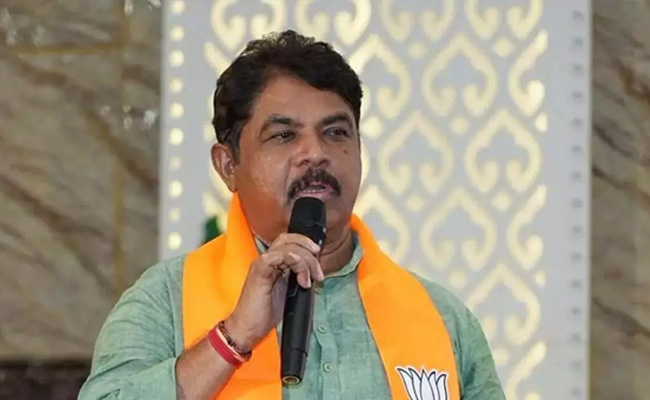
Bengaluru: Leader of Opposition in Karnataka Assembly R. Ashoka said the election results show that Narendra Modi is the most suitable leader for the country’s security.
Speaking to the media, he claimed that the political future of Mamata Banerjee and her government has come to an end. He alleged that around two crore people from Bangladesh were helped to enter the country with Aadhaar cards.
Ashoka said that even though elections were held in five states, the entire country’s attention was on West Bengal. He attributed this to what he described as misgovernance in the state.
He further said there were continuous political allegations and objections related to CBI matters, and added that such developments have now come to an end with the latest election outcome.