CM blames BJP for spreading hate after poison plot to oust Muslim HM in Belagavi school
Siddaramaiah says communal forces sow hatred for politics; calls poisoning a communal hate crime
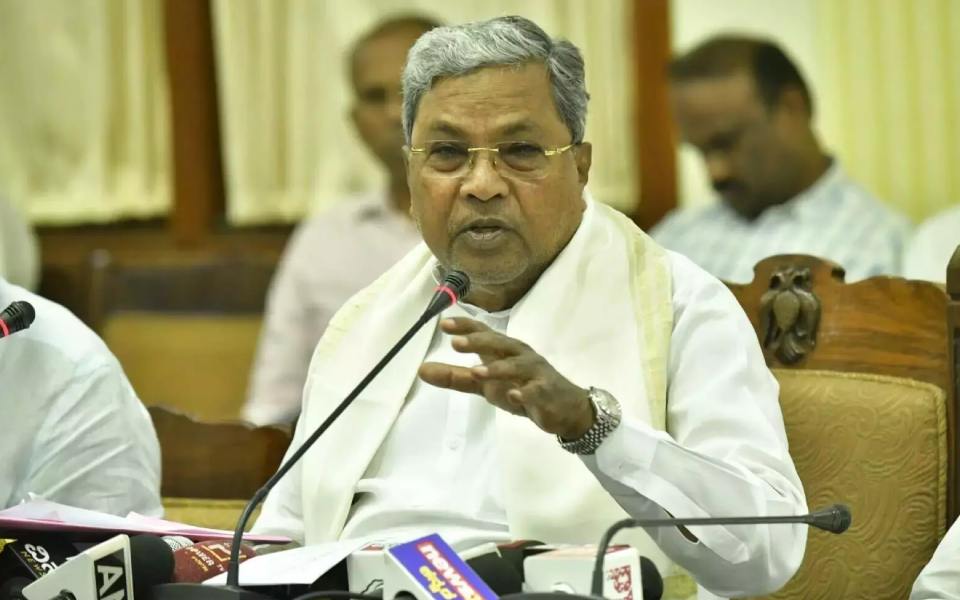
Bengaluru: Karnataka Chief Minister Siddaramaiah has expressed deep shock over the poisoning of drinking water at a government school in Belagavi district, which he said was an attempt to force the transfer of a Muslim headmaster. Condemning the act as a manifestation of rising communal hatred, the CM called on BJP leaders to introspect and reject politics of hatred.
The disturbing incident occurred in Hulikatti village of Savadatti taluk, where poison was reportedly mixed into the drinking water meant for schoolchildren. The accused, including Sagar Patil, taluk president of the Sri Rama Sene and two others, allegedly wanted the Muslim headmaster removed from the school.
"Even now, I cannot believe that such cruelty and hatred could arise in the land of the Sharanas," Siddaramaiah said. "What kind of society have we become where children are targeted in the name of religion?"
The CM linked the incident to a larger political agenda. “BJP leaders who sow seeds of hatred in the name of religion to reap political benefit must engage in serious self-reflection,” he stated, adding, “Will Pramod Muthalik, Vijayendra, or R. Ashoka take responsibility for such heinous acts?”
The incident, which happened nearly two weeks ago, left several students unwell, though no fatalities occurred, thanks to immediate medical intervention. Siddaramaiah praised the police for uncovering the alleged plot in time and preventing what could have been a "massacre of innocent children."
"This is clear proof of how religious fundamentalism and communalism can lead to the most heinous crimes," the CM said.
Reiterating the government's commitment to fight hate speech and communal violence, Siddaramaiah said a special task force has already been established to monitor and act against such threats. “We are taking all possible legal steps against those responsible,” he assured.
He concluded with a call to citizens: "If our efforts to stop such forces are to succeed, the public too must raise their voice, resist, and file complaints. I still believe that the number of people who want to live in harmony far outweighs those driven by hate."
The Chief Minister expressed full faith in the judicial system and assured that justice will be served.
ಬೆಳಗಾವಿ ಜಿಲ್ಲೆಯ ಸವದತ್ತಿ ತಾಲೂಕಿನ ಹೂಲಿಕಟ್ಟಿ ಗ್ರಾಮದ ಸರ್ಕಾರಿ ಶಾಲೆಯ ಮುಖ್ಯೋಪಾಧ್ಯಾಯರು ಮುಸ್ಲಿಂ ಸಮುದಾಯಕ್ಕೆ ಸೇರಿದವರು, ಅವರನ್ನು ತಮ್ಮ ಊರಿನಿಂದ ಬೇರೆಡೆಗೆ ವರ್ಗಾವಣೆ ಮಾಡಿಸಬೇಕೆಂಬ ದುರುದ್ದೇಶದಿಂದ ಶಾಲಾಮಕ್ಕಳ ಕುಡಿಯುವ ನೀರಿಗೆ ವಿಷ ಹಾಕಿದ ಶ್ರೀರಾಮ ಸೇನೆಯ ತಾಲೂಕು ಅಧ್ಯಕ್ಷ ಸಾಗರ ಪಾಟೀಲ ಸೇರಿದಂತೆ ಒಟ್ಟು ಮೂವರನ್ನು…
— Siddaramaiah (@siddaramaiah) August 3, 2025
Let the Truth be known. If you read VB and like VB, please be a VB Supporter and Help us deliver the Truth to one and all.
Congress using hijab issue to pacify minority anger, alleges Karnataka LoP R Ashoka
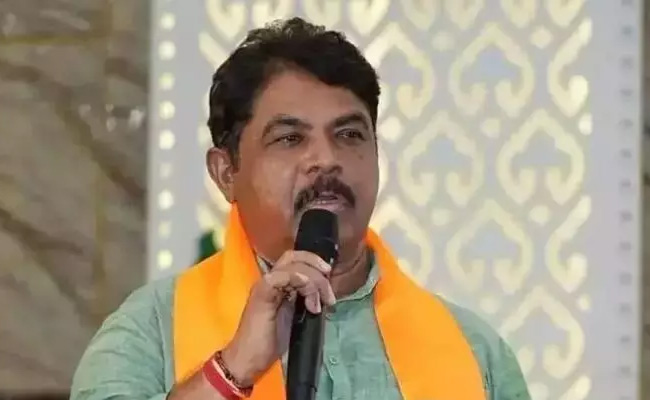
Bengaluru: Leader of Opposition in the Assembly R. Ashoka has accused the Congress government of using the hijab issue to placate what he described as discontent among minority voters after the Davanagere by-election.
In a post on X on Wednesday, Ashoka alleged that the state government, instead of addressing issues such as price rise, corruption, farmers’ distress and law and order, was attempting to retain its minority vote base by reviving the hijab issue.
Referring to the 2022 dress code introduced by the BJP government, which prohibited hijab in schools and colleges, Ashoka said the Karnataka High Court had upheld the policy and emphasised the importance of discipline in educational institutions.
He questioned the Congress government’s move to revisit the issue and asked whether setting aside the court-backed policy to benefit one community could be described as secularism.
Ashoka further alleged that while the government was willing to permit hijab, it continued to prohibit saffron shawls.
He accused the government of dividing students on religious lines rather than treating schools and colleges as spaces of equality.
Drawing a comparison with Mamata Banerjee’s government in West Bengal, Ashoka claimed that excessive appeasement politics had harmed the state and warned that the Congress in Karnataka could face a similar political response.
He said voters in Karnataka would teach the Congress a lesson for what he termed “vote-bank politics” and for compromising constitutional and judicial principles.