CM Bommai directs districts bordering Kerala to take up special surveillance measures
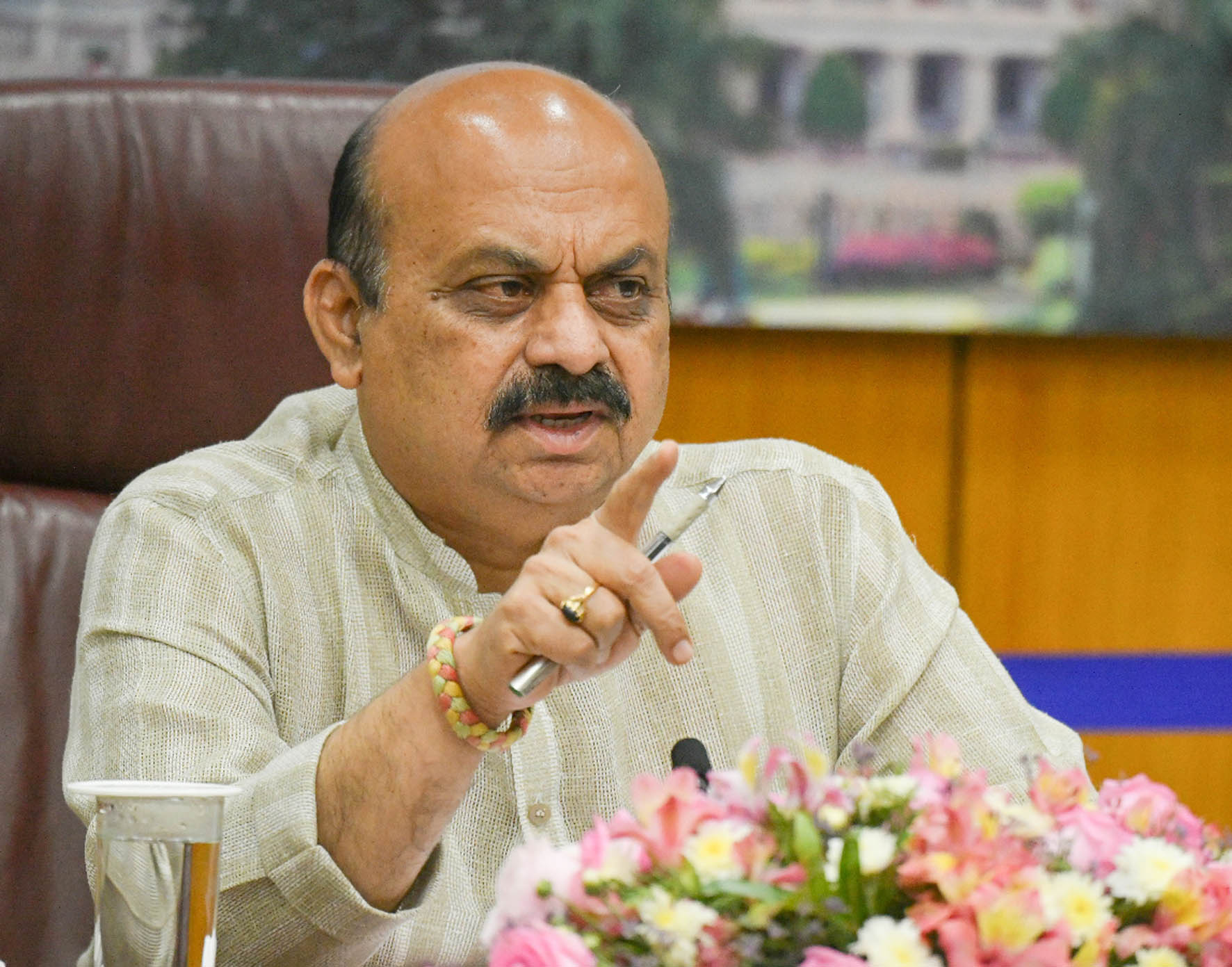
Bengaluru, Jul 31: Karnataka Chief Minister Basavaraj Bommai on Saturday directed the administrations of districts bordering Kerala, that has seen a spurt in COVID-19 cases, to take up special surveillance measure, aimed at controlling the spread of the infection.
"There is a spurt in the number of COVID cases in Kerala in the last one week. It is a cause of worry. We have to take it very seriously.
The borders have to be monitored strictly. I have ordered senior officials- Deputy Commissioners and Superintendents of Police to take the responsibility," Bommai said.
Speaking to reporters after a meeting on the COVID situation in eight districts, especially those bordering Kerala and others where effects can be felt, on his arrival from Delhi, he said, Assistant Commissioners and DySPs should supervise every day, and District Health Officers (DHOs) should ensure health units for testing.
"Medical infrastructure has to be improved in these districts and vaccinations have to be increased....in Dakshina Kannada and Udupi the positivity rate has increased to 4-4.5 per cent in the last three to four days and is a cause of concern. So we will have to take measures to control it."
Senior government officials and Deputy Commissioners of Bengaluru Urban, Chikkamagaluru, Dakshina Kannada, Chamarajanagara, Kodagu, Mysuru, Shivamogga and Udupi districts were present in the video conferencing.
Stating that he had spoken to the Union Health Minister today on increase in vaccination supply and that he has agreed to it, Bommai said with enough vaccines, the state would be able to control the spread of COVID.
Noting that all these days those having taken one dose of vaccine were allowed to cross the border with Kerala, he said from Sunday, only those with a certificate of having taken two doses will be allowed and they should have RT-PCR negative certificate not more than 72 hours old.
"Those travelling across the borders at places like in Dakshina Kannada, we had earlier said they should undergo RT- PCR test once in 14 days and have negative certificate. It has now been reduced to seven days. Also, random testing will be increased in check posts at the boarder areas," he said.
Instructions have been given on having oxygen plants and beds and strictly managing micro containment zones, tracking and tracing, he said, adding that COVID norms like social distancing and wearing masks should be strictly implemented.
Check posts will be set up in districts neighboring border districts also, double checks will be done on vehicles, especially those coming from Kerala.
Further, resorts and home stays while accepting bookings should check for RT-PCR negative certificate and vaccination certificates.
Bommai said similar measures will be put in place in districts bordering Maharashtra like Belagavi, Vijayapura, Kalaburagi and Bidar.
Stating that the current COVID measures (restrictions and permissions) are in place till August 2 as per the previous order, he said it will be extended for two more weeks and further decisions will be taken, based on the situation.
Noting that measures are being taken to control the infection among the children in the possible third wave, the Chief Minister said, 72 per cent of government school teachers have been vaccinated so far and instructions have been given to scale it up to 100 per cent in 15 days.

Let the Truth be known. If you read VB and like VB, please be a VB Supporter and Help us deliver the Truth to one and all.
ISRO launches Mission MITRA for safety of human spaceflight mission crew
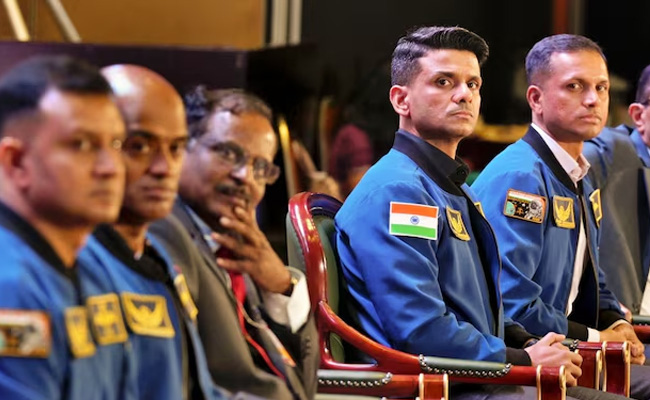
Bengaluru (PTI): ISRO on Friday said it has undertaken mission MITRA in Leh, Union Territory of Ladakh, from April 2 to 9, a first-of-its-kind team behavioural study for the benefit of human spaceflight missions such as Gaganyaan.
The mission, inaugurated by the ISRO chairman V Narayanan, was mainly for the crew safety and performance.
"Mission MITRA is a first-of-its-kind team behavioural study designed by ISRO and IAF-Institute of Aerospace Medicine to examine the physiological, psychological, and operational dynamics of Crew and ground teams functioning in a high-altitude environment," ISRO said in a statement.
This study is targeted to generate vital understanding on the team interoperability between crew (Gaganyatris) and ground control teams and the effectiveness of decision making under environmental & operational stress, the space agency said.
Noting that the crew safety and performance are the most critical elements of all Human Spaceflight Missions, ISRO said the ability of the crew to communicate effectively, adapt to stress, maintain psychological resilience and support one another determines the success and safety of any mission.
Analogue missions conducted under controlled yet realistic conditions are utilised to understand how crews perform under challenging conditions, it added.
The space agency said the high altitude of approximately 3,500 meters at Leh having the environmental conditions of hypoxia, low temperature, and isolation, is a natural analogue for spaceflight operations.