'We must see our economy also', says CM Bommai on further cut in fuel tax
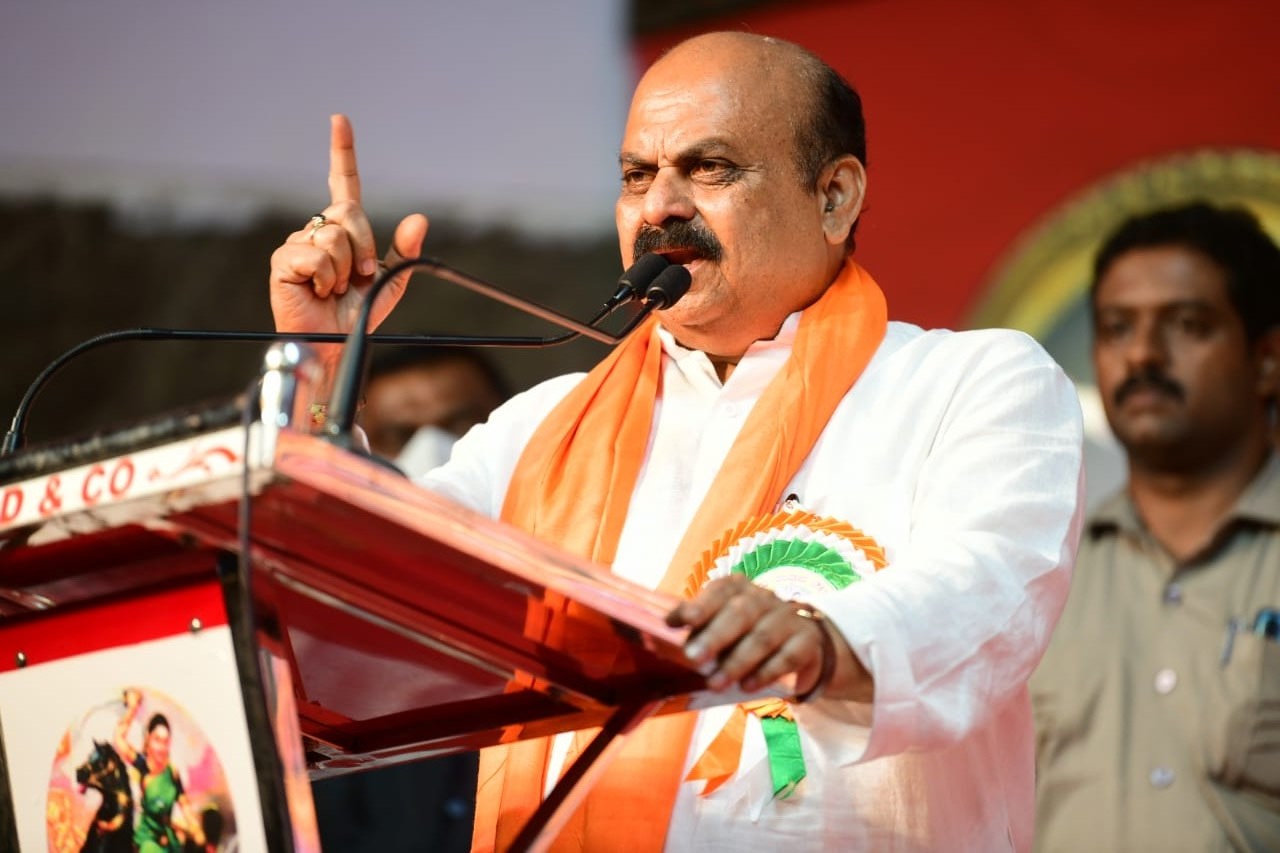
Bengaluru, Apr 27: Karnataka Chief Minister Basavaraj Bommai on Wednesday was non-committal on any further cut in fuel tax, as he maintained that any decision in this regard will be taken after looking at the economy of the state.
He said this as Prime Minister Narendra Modi on Wednesday flagging higher fuel prices in many opposition-ruled states, urged them to reduce VAT in "national interest" to benefit the common man and work in the spirit of cooperative federalism in this time of global crisis.
"He (PM) gave an example. In November when the central government reduced excise duty, some states too reduced, it has benefited the people of the state and it is cooperative federalism. He said it will help if other states reduce tax as well, so that neighbouring states are not affected," Bommai told reporters in response to a question.
Asked whether there will be any more cut in fuel tax, with prices increasing, the Chief Minister said, "Let's see. We must see our economy also. Based on that, we will decide."
At his interaction with chief ministers of various states, on the emerging COVID-19 situation in the country via video conferencing, Modi raised the issue of many states not adhering to the Centre's call for reducing the Value Added Tax (VAT) on petrol and diesel after his government slashed excise duties on fuel in November last year, and called it "injustice" to people living there and also harmful for neighbouring states.
In his remarks, Modi cited the example of Karnataka and Gujarat, both ruled by the BJP, saying they have suffered revenue loss of nearly Rs 5,000 crore and Rs 3,500-4,000 crore respectively by reducing VAT, but they did so to help people. Their neighbouring states did not, he added.
States like Maharashtra, West Bengal, Telangana, Andhra Pradesh, Tamil Nadu, Kerala - all ruled by different opposition parties - have not reduced VAT for some reasons, and prices there are higher than other states, the Prime Minister said.
In November 2021, the Karnataka government had cut sales tax on petrol from 35 per cent to 25.9 per cent and on diesel from 24 per cent to 14.34 per cent, which resulted in petrol price reducing by Rs 13.30 per litre and diesel by Rs 19.47 per litre. Currently, a litre of petrol in Bengaluru costs Rs 111.09 and diesel at Rs 94.79.
Let the Truth be known. If you read VB and like VB, please be a VB Supporter and Help us deliver the Truth to one and all.
Congress using hijab issue to pacify minority anger, alleges Karnataka LoP R Ashoka
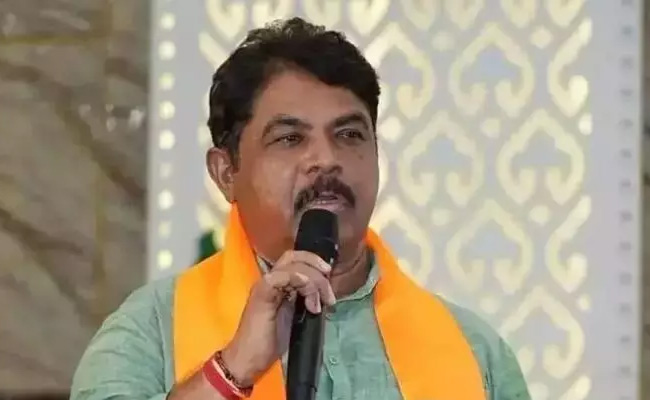
Bengaluru: Leader of Opposition in the Assembly R. Ashoka has accused the Congress government of using the hijab issue to placate what he described as discontent among minority voters after the Davanagere by-election.
In a post on X on Wednesday, Ashoka alleged that the state government, instead of addressing issues such as price rise, corruption, farmers’ distress and law and order, was attempting to retain its minority vote base by reviving the hijab issue.
Referring to the 2022 dress code introduced by the BJP government, which prohibited hijab in schools and colleges, Ashoka said the Karnataka High Court had upheld the policy and emphasised the importance of discipline in educational institutions.
He questioned the Congress government’s move to revisit the issue and asked whether setting aside the court-backed policy to benefit one community could be described as secularism.
Ashoka further alleged that while the government was willing to permit hijab, it continued to prohibit saffron shawls.
He accused the government of dividing students on religious lines rather than treating schools and colleges as spaces of equality.
Drawing a comparison with Mamata Banerjee’s government in West Bengal, Ashoka claimed that excessive appeasement politics had harmed the state and warned that the Congress in Karnataka could face a similar political response.
He said voters in Karnataka would teach the Congress a lesson for what he termed “vote-bank politics” and for compromising constitutional and judicial principles.