CM Siddaramaiah directs ministers to personally attend sessions, uphold dignity of Legislature
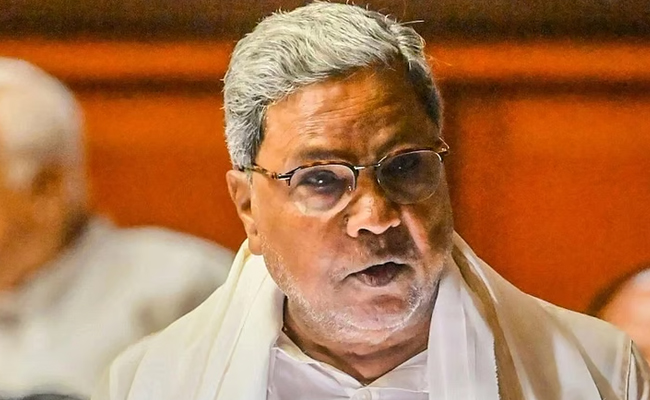
Bengaluru: Chief Minister Siddaramaiah has expressed severe displeasure about ministers in his Cabinet skipping sessions of the Legislature and has reportedly written to the Cabinet ministers instructing them to unfailingly attend the sessions.
The Opposition has taken severe objection to the absence of ministers during the sessions, which is also giving a negative message about the government to the citizens, he opined.
Siddaramaiah is also learned to have told the members of the Cabinet, “Ministers hold responsible posts and are expected to attend the sessions during the scheduled hour. Also, ministers should personally attend the sessions, avoiding all other events, including meetings and functions.”
He reportedly laid stress on ministers attending the sessions at their respective houses, saying in his letter, “Upholding the dignity of the House is the duty of all of us.”
Let the Truth be known. If you read VB and like VB, please be a VB Supporter and Help us deliver the Truth to one and all.
Trump says he ‘hasn’t even thought about’ continuing Iran ceasefire
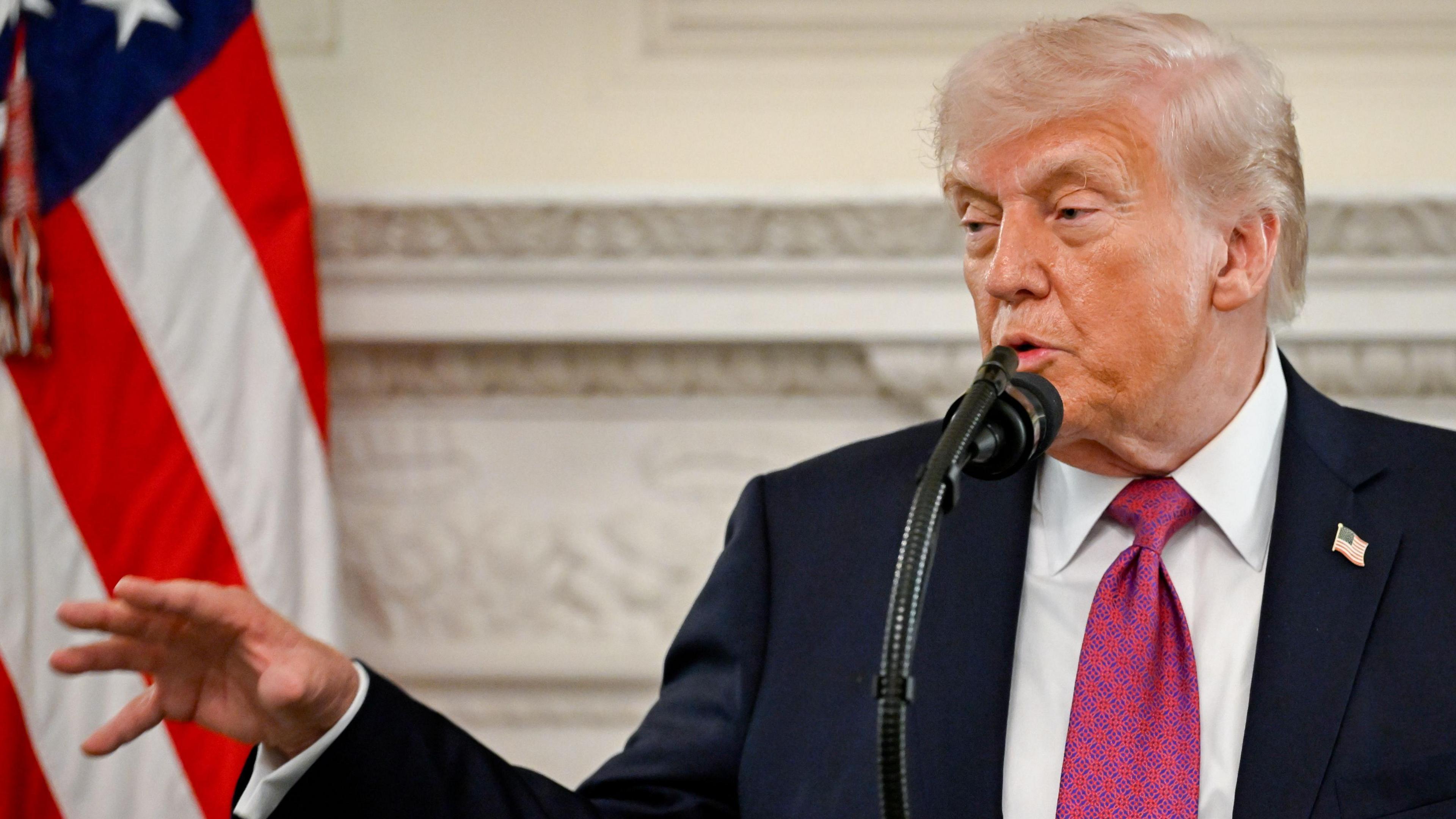
Washington: US President Donald Trump has said he has not yet considered whether he would continue the ceasefire involving Iran, while also claiming the United States holds the advantage in negotiations.
Speaking to reporters, Trump said he was prepared to make a deal with “whoever is running the show” in Iran.
“They are fighting with each other, there’s tremendous infighting. They’re probably fighting for leadership in many cases. I think they’re fighting not to be leader because we knocked out two levels of leaders,” he said.
Trump added, “When they want they can call me. We have all the cards, we’ve won everything.”
Referring to ongoing negotiations, he said, “They gave us a paper that should’ve been better. And, interestingly, immediately when I cancelled it [envoy trip to Pakistan], within 10 minutes we got a new paper that was much better.”
“We talked about they will not have a nuclear weapon, very simple … They offered a lot, but not enough,” he added.
When asked whether he would continue the ceasefire, Trump replied, “I haven’t even thought about it.”
The remarks come as uncertainty remains over the future of the temporary truce and broader negotiations between Washington and Tehran.