CM Siddaramaiah emphasizes creating Kannada-centric atmosphere in Karnataka
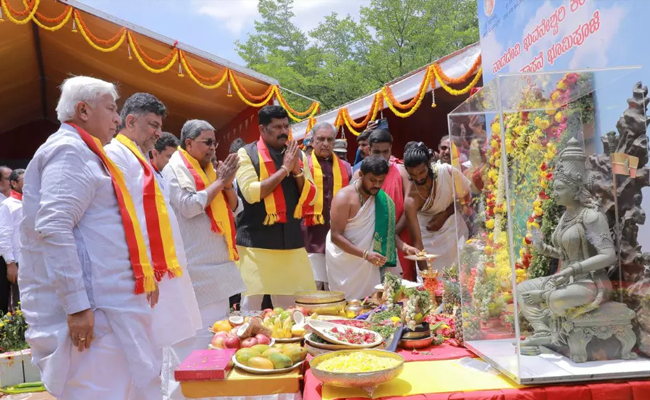
Bengaluru: Chief Minister Siddaramaiah reiterated the importance of fostering a Kannada-centric environment in Karnataka during a ceremony organized by the Department of Kannada and Culture. The occasion marked the Bhoomi Puja for the construction of a bronze statue of Goddess Nada Devi Bhuvaneswari Devi, near the western entrance of Vidhana Soudha, as part of the Karnataka Namakarana Suvarna Mahotsava.
Addressing the gathering, CM Siddaramaiah emphasized the significance of preserving Kannada language, culture, and heritage, urging all residents to prioritize Kannada in their daily lives.
"Speaking in Kannada should be a matter of pride for every individual residing in Karnataka," he stated passionately.
Highlighting the need for Kannadigas to embrace their mother tongue, Siddaramaiah compared the linguistic pride observed in other states such as Tamil Nadu, Andhra Pradesh, and Kerala. "We must cultivate a similar reverence for Kannada," he urged, urging all residents to learn and communicate in Kannada within the state.
Regarding the statue's construction, CM Siddaramaiah set a deadline for completion by November 1, 2024, expressing confidence in the project's progress and funding. The proposed 25-foot bronze statue is expected to enhance the aesthetic appeal of Vidhana Soudha.
The ceremony was attended by Legislative Council Chairman Basavaraja Horatti, Deputy Chief Minister DK Shivakumar, Kannada and Culture Minister Shivraj Thangadagi, and several MLAs.
Let the Truth be known. If you read VB and like VB, please be a VB Supporter and Help us deliver the Truth to one and all.
Karnataka School Edu Dept prohibits children from being made to dance to obscene songs
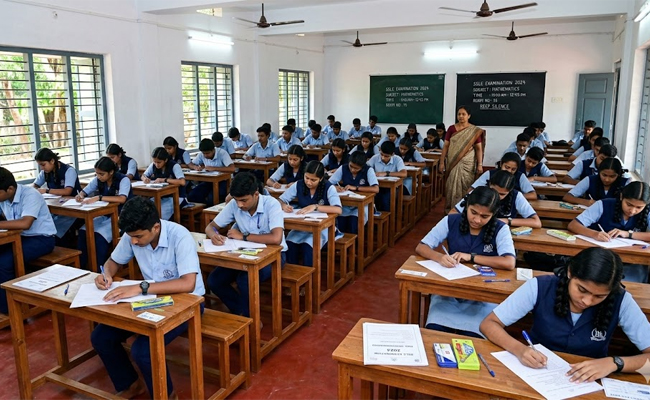
Bengaluru (PTI): The Karnataka School Education Department has issued a circular strictly prohibiting children from being made to dance to obscene songs in educational and cultural programmes.
It stated that such dances would negatively impact students' mental health and moral values. It will create indiscipline and harm the sanctity of education.
"All the Deputy Directors (Administration) of the state's School Education Department have been asked to take strict measures to prevent children or students from dancing to obscene songs in all government, aided and unaided schools in the state," the office of the commissioner of the School Education Department said in a recent circular.
"If it is found that children are being made to dance to obscene songs, appropriate action will be taken against the headmaster or management of such school," it added.
The department also listed certain measures in this regard, which include: strictly prohibiting children from being made to dance to obscene songs during educational and cultural programmes; selecting songs that are inspiring, positive, instilling national pride in children and reflecting the greatness, dignity, values, culture, and morality of the state.
Stating that the school headmaster and management are responsible for selecting songs and dances for cultural programmes, it said, they should also ensure that students wear decent clothes in dance or cultural programmes.