CM Siddaramaiah orders precautions for floods, landslides amid heavy rains
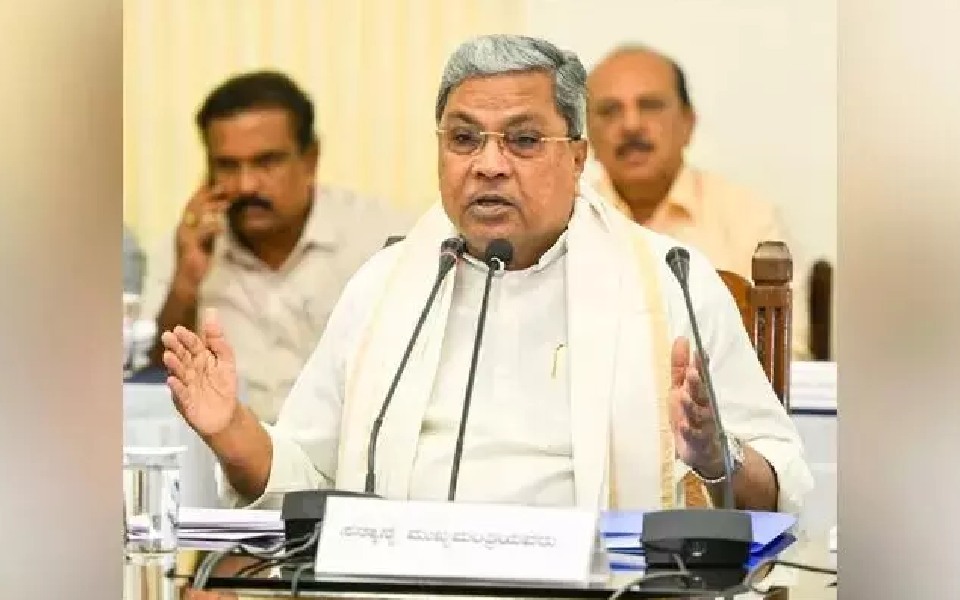
Bengaluru: Chief Minister Siddaramaiah has instructed all District Collectors in Karnataka to take necessary precautions to handle potential floods and landslides caused by the ongoing heavy rains.
During a recent directive, CM Siddaramaiah emphasized the importance of closely monitoring the water levels in reservoirs and implementing measures for effective flood control.
Reports of landslides in coastal and hilly areas have prompted the Chief Minister to urge District Collectors to remain vigilant. Additionally, district in-charge ministers have been asked to oversee flood management efforts.
ALSO READ: Chikkamagaluru rains: DC declares holiday for schools, PU colleges in six taluks on July 31
Authorities have been advised to manage the flood situation in a balanced manner, ensuring timely rescue and relief operations. This includes opening care centers and providing necessary facilities to flood victims as needed.
To enhance the coordination of relief efforts, CM Siddaramaiah has suggested setting up control rooms in all districts, operating 24 hours a day. Officials at these central locations are expected to stay alert and be readily available to respond to emergencies.
Let the Truth be known. If you read VB and like VB, please be a VB Supporter and Help us deliver the Truth to one and all.
Man arrested with Rs 2.54-crore heroin in Mumbai

Mumbai (PTI): Police have arrested a man and seized over 500 grams of heroin worth Rs 2.54 crore in the illicit market from him in Mumbai, officials said on Friday.
The police's Anti-Narcotics Cell (ANC) made the drug seizure in Santacruz in the western suburbs. The operation was conducted by the Kandivali unit of the ANC on Thursday as part of a special crackdown against drug trafficking in the area, they said.
Acting on specific inputs, an ANC team conducted a raid in Santacruz (East) and intercepted a man. During a search, the team recovered 508 grams of high-grade heroin from his possession, an official said.
The seized contraband, a highly addictive, opioid drug derived from morphine, is estimated to be worth Rs 2.54 crore in the international market, he informed.
Following the seizure, a case was registered against the man under relevant sections of the Narcotic Drugs and Psychotropic Substances (NDPS) Act, 1985, and he was formally placed under arrest in the early hours of Friday.
The police are currently investigating the source of the drug and trying to identify the intended recipients of the consignment, he said.