Coalition govt stable, Congress-JDS to fight LS polls together: Siddaramaiah
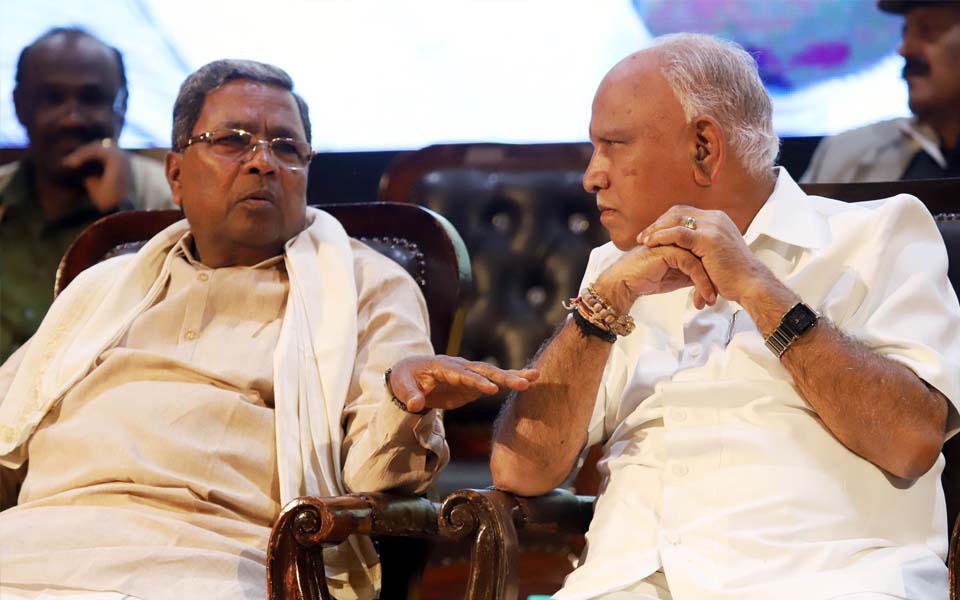
Bengaluru, Dec 27 : Rubbishing BJP's claim that the coalition government in Karnataka would collapse due to internal rift, Congress leader Siddaramaiah Thursday said the Congress-JDS alliance was strong and they would contest the Lok Sabha polls together.
The leader of the Congress-Janata Dal (Secular) coalition coordination committee also ruled out any differences between him and Deputy Chief Minister G Parameshwara over portfolio allocation to newly inducted ministers.
"They (BJP) don't want to sit in the opposition and work. By using some wrong means, they want to form the government," Siddaramaiah said.
He was reacting to senior Bharatiya Janata Party (BJP) lawmaker Umesh Katti's claim that 15 disgruntled MLAs from the ruling coalition were in touch with him and that the saffron party would form the new government in Karnataka by next week.
Speaking to reporters in Hubballi, Siddaramaiah said, "Nothing will happen, the government will not fall. Government will complete its term; there is no problem at all."
Reacting to the views of JDS leaders that the party should contest the Lok Sabha polls alone, the veteran Congress leader said both the parties had fought the by-elections together and the alliance will remain intact for the 2019 Lok Sabha polls as well.
"I don't know what you are saying... (JDS wanting to go alone) is news for me," the former Karnataka chief minister said, adding that the seat sharing formula was yet to be finalised.
"About the number of seats, all those things we have not been discussed, it will be discussed when we will sit together, which has not yet happened," he said.
Unhappy with the Congress' "big brother attitude" in the ruling coalition in Karnataka, JD(S) workers and local leaders have apparently asked the leadership to contest all 28 Lok Sabha seats in 2019 general elections alone.
Congress and JD(S) had earlier announced that they would fight the polls together.
Expressing confidence that former minister Ramesh Jarkiholi, sulking over being dropped from the ministry, would not quit as party MLA, Siddaramaiah said, "He is basically a Congress man, he will stay with us."
"He may be upset that he was removed from the ministry, so he has gone incommunicado, I also tried, but could not speak to him... As I understand him, he will remain and work for the Congress," he added.
Jarkiholi has threatened to quit as Congress lawmaker and is likely to announce his decision soon amid reports that he might join the BJP.
Siddaramaiah also said that portfolios to eight newly inducted ministers would be announced after approval from Congress President Rahul Gandhi.
Terming reports about the rift with Parameshwara as "totally false", he said, "We haven't spoken at the meeting, as reported."
According to reports, the meeting between top party leaders on Wednesday to decide on portfolios was not cordial, as Parameshwara expressed displeasure after Siddaramiah asked him to give up some key portfolios.
Parameshwara currently holds the departments of home, Bengaluru city related affairs, youth affairs and sports.
Also, hitting out at media reports about a rift with Siddaramaiah, Parameshwara said, "It is all your creation, which is false. By giving false news... You will lose the credibility."
"There is no issue of giving up any ministry and it is applicable to every one... Everything will be decided by the high command," he added.
Let the Truth be known. If you read VB and like VB, please be a VB Supporter and Help us deliver the Truth to one and all.
Commercial LPG price hiked by Rs 993 per 19-kg cylinder
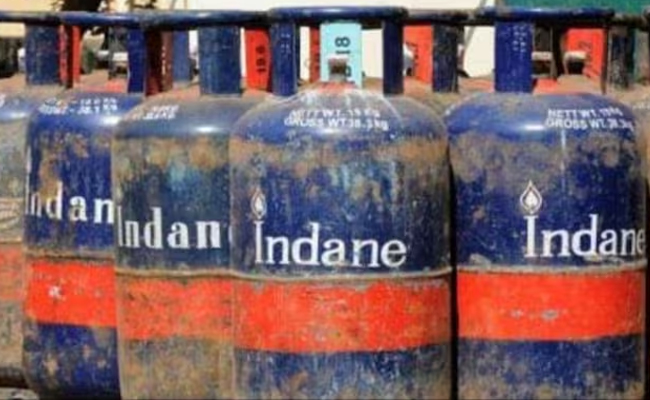
New Delhi (PTI): The price of commercial LPG was hiked by the steepest ever Rs 993 per 19-kg cylinder on Friday, marking the third straight monthly increase due to rising global energy prices linked to the West Asia conflict.
A 19-kg commercial LPG - used by establishments such as hotels and restaurtants - now costs a record Rs 3,071.5 in Delhi as against Rs 2,078.50 previously.
Rates were last increased by 195.50 per cylinder on April 1. Prior to that, prices had gone up by Rs 114.5 per 19-kg cylinder on March 1.
In three increases, commercial LPG rates have gone up by Rs 1,303.
Prices of domestic cooking gas LPG - the one used in household kitchens - remained unchanged. Domestic LPG rates were last hiked by Rs 60 per 14.2-kg cylinder on March 7. It costs Rs 913 per 14.2-kg cylinder in Delhi.
State-owned Indian Oil Corporation, Bharat Petroleum, and Hindustan Petroleum revise ATF and LPG prices on the first day of every month based on international benchmarks and the exchange rate.
Global oil prices have shot up almost 50 per cent after the war in West Asia disrupted energy supply chains.
Petrol and diesel prices continue to remain frozen after a Rs 2 per-litre reduction in March last year; petrol currently costs Rs 94.72 per litre in Delhi and diesel Rs 87.62.