Complete programmes within stipulated time: CM
Rs 29k crore funds for SCP, TSP programmes
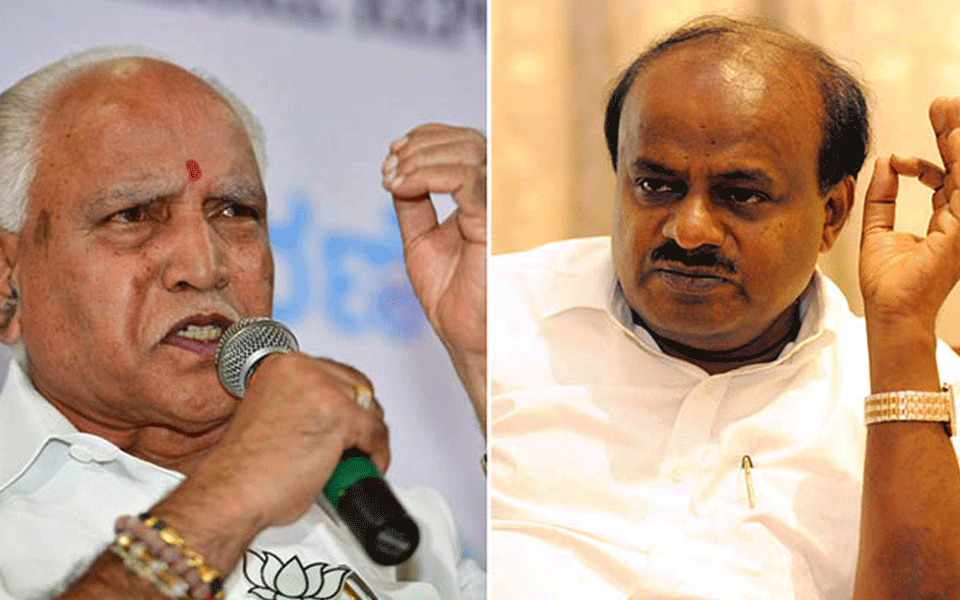
Bengaluru, September 28: Chief Minister H.D Kumaraswamy said that as the government has reserved Rs 29,000 crore for the welfare of SC/ST categories, the funds should be utilized effectively within the stipulated time.
Presiding over a state council meeting on development of SC/ST categories here on Friday, the CM said that if the funds were not utilized and programmes were not completed, the respective department heads would be held responsible. So, every department should take this into account and utilize the funds without giving room for misappropriation in the name of programmes. The authorities should cooperate with the government in bringing the SC/ST communities which have been lagging behind socio-economically, to the mainstream of the society and this would ensure a sea change in the state, he said directing the officials to rectify the mistakes found in the programmes and asked them to prepare guidelines on selection of beneficiaries.
Deputy Chief Minister Dr. G. Parameshwar, PWD Minister H.D Revanna, Social Welfare Minister Priyanka Kharge, Higher Education Minister G.T. Deve Gowda, MP Druvanarayan, MLAs Dr. K. Annadani, Dr. G. Umesh Yadav, Chief Secretary T.M Vijay Bhaskar, Social Welfare Department Additional Chief Secretary M. Lakshminarayan and other senior officers of various departments were present.
Let the Truth be known. If you read VB and like VB, please be a VB Supporter and Help us deliver the Truth to one and all.
Bihar: Over 150 children fall ill after consuming 'mid-day meal' in Saharsa
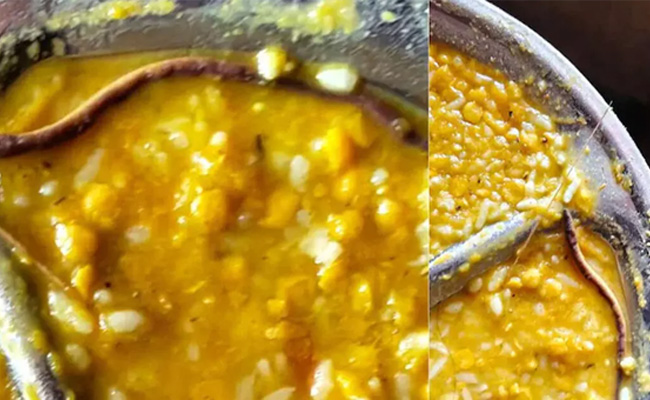
Saharsa (PTI): More than 150 children were taken ill after allegedly consuming food that was part of the mid-day meal in a school in Bihar’s Saharsa district, a senior official said on Thursday.
The incident occurred at a middle school in Baluaha village of the district.
The official said that 115 children were undergoing treatment at the Sadar Hospital, while around 50 students were admitted to Mahishi Public Health Centre.
“We received information that several children fell ill after consuming the mid-day meal in Baluaha. The children were initially treated at the primary health centre, but later, many were referred to the Sadar Hospital,” Saharsa District Magistrate Deepesh Kumar told reporters.
“According to doctors, the health condition of the children has improved, but they will be kept under observation for some time. There is no need to panic. Some kids are having mild fever. They are being treated accordingly,” Kumar said.
Meanwhile, family members of some children claimed that a snake was found in the container in which cooked pulses was stored at the school.
Of the 545 students present in the school, 200 had already eaten their meals by the time the snake was spotted, and later complained of stomach ache and vomiting, they said.
Regarding the claims, the DM said food samples have been collected from the school.
“We will be able to comment on this only after the results of the tested samples arrive,” he said.