Cong MLA Raju Kage kicks up row over 'PM Modi's successor' remarks, BJP slams him
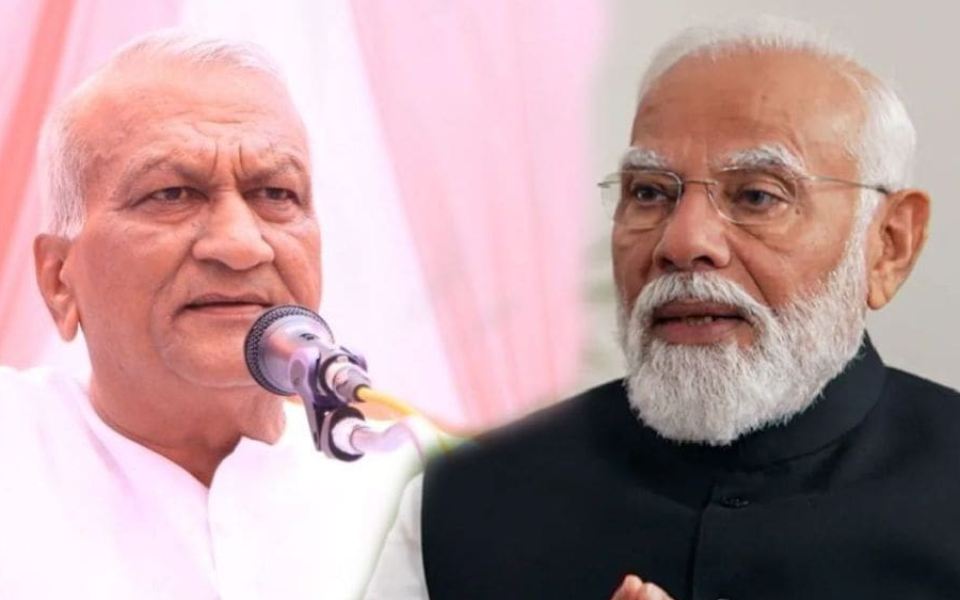
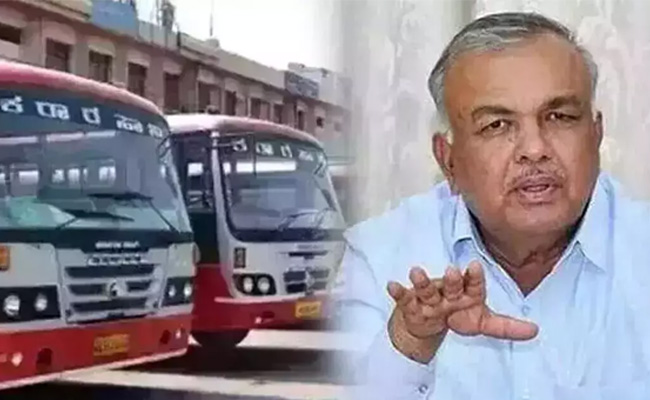
Bengaluru, May 2: Karnataka Congress MLA Raju Kage's remarks regarding Prime Minister Narendra Modi's successor have drawn sharp criticism from the opposition BJP in the state.
Addressing a campaign meeting in Mamadapur village in Belagavi district, Kage said, "I too have the confidence about running the country ably. If Modi dies, will no one become the prime minister of the country? Is there no other person to become prime minister among the 140 crore population? Youngsters these days say only Modi, Modi..."
Everyone wants Congress leaders like -- Laxman Savadi, Raju Kage, Satish Jarkiholi (all Congress MLAs) locally -- but want Modi at the Centre, the Kagwad MLA said on Tuesday. "There is no question of Modi. Will Modi come here to listen to your issues or us?"
Karnataka BJP president B Y Vijayendra sharply reacting to Kage's remarks, asked, "Why does Congress desire Narendra Modi ji's death?"
ALSO READ: Polls for six MLC posts in Karnataka to take place on June 3
In a post on 'X' on Thursday, he said, "Congress MLA Raju Kage has only outspoken the destructive mindset of Rahul Gandhi and Congress, who have a history of grabbing power based on the deaths of many innocent lives, like vultures ready to pounce on the deaths of precious lives."
Vijayendra questioned Congress whether it desires Modi's death because he abrogated Article 370 and "saved" Kashmir, because he fulfilled the dream of hundreds of years by building Ram Mandir in the birthplace of Shri Ram, because he eradicated the terrorism and saved the nation from terrorists, because he built a strong nation economically, ranking India 5th globally, among others.
"The BJP, not based on individuals but on principles and ideologies, has grown into a massive political tree, based on the nationalistic ideals and nurtured by the hard work of our Patriotic Karyakarthas....Modi has strengthened the nation and established himself as a great leader and a competent administrator.
"People of this country have resolved to make him the PM again and want his continued leadership for Bharath," he said.
What else can be expected from Congress, who is unable to tolerate this and out of sheer desperation, is resorting to foreboding of ill and wishing bad for the PM, the BJP chief further said, adding, vicious minds can only speak vile and Congress MLA Raju Khage with this mindset has only spoken Congress ideology ill-boding about the PM.
Congress MLA Raju Kage has only outspoken the destructive mindset of @RahulGandhi & @INCIndia ,who have an history of grabbing power based on the deaths of many innocent lives, like vultures ready to pounce on the deaths of precious lives.
— Vijayendra Yediyurappa (Modi Ka Parivar) (@BYVijayendra) May 2, 2024
Why does Congress desire Shri… pic.twitter.com/aVL0QzJrMq
Let the Truth be known. If you read VB and like VB, please be a VB Supporter and Help us deliver the Truth to one and all.
Congress using hijab issue to pacify minority anger, alleges Karnataka LoP R Ashoka
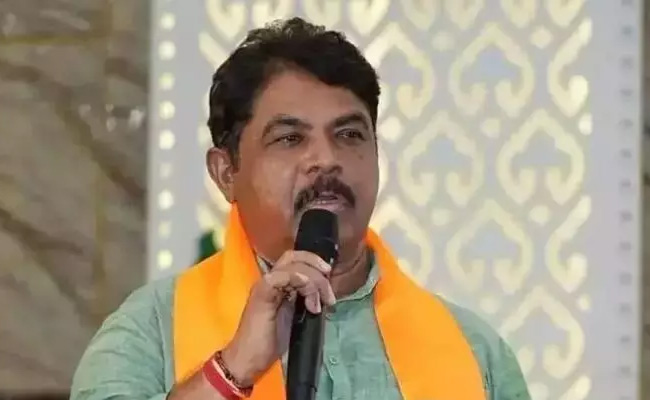
Bengaluru: Leader of Opposition in the Assembly R. Ashoka has accused the Congress government of using the hijab issue to placate what he described as discontent among minority voters after the Davanagere by-election.
In a post on X on Wednesday, Ashoka alleged that the state government, instead of addressing issues such as price rise, corruption, farmers’ distress and law and order, was attempting to retain its minority vote base by reviving the hijab issue.
Referring to the 2022 dress code introduced by the BJP government, which prohibited hijab in schools and colleges, Ashoka said the Karnataka High Court had upheld the policy and emphasised the importance of discipline in educational institutions.
He questioned the Congress government’s move to revisit the issue and asked whether setting aside the court-backed policy to benefit one community could be described as secularism.
Ashoka further alleged that while the government was willing to permit hijab, it continued to prohibit saffron shawls.
He accused the government of dividing students on religious lines rather than treating schools and colleges as spaces of equality.
Drawing a comparison with Mamata Banerjee’s government in West Bengal, Ashoka claimed that excessive appeasement politics had harmed the state and warned that the Congress in Karnataka could face a similar political response.
He said voters in Karnataka would teach the Congress a lesson for what he termed “vote-bank politics” and for compromising constitutional and judicial principles.