Congress leader K C Venugopal rejects speculation over CM change in Karnataka
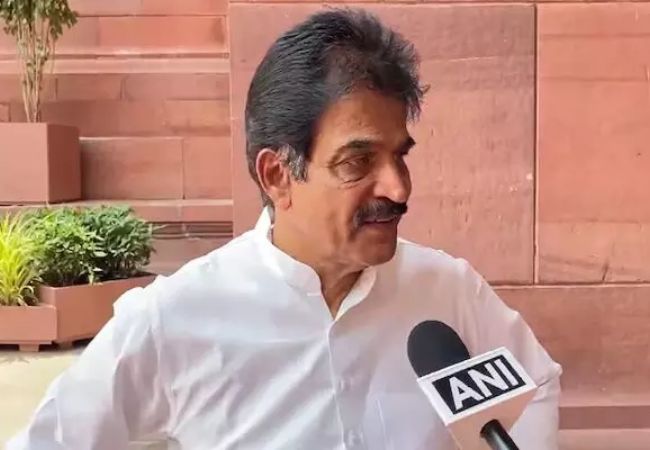
Bengaluru (PTI): Amid ongoing speculation about a possible change in chief minister later this year in Karnataka, AICC General Secretary K C Venugopal on Friday dismissed the rumours, asserting that the Congress is fully capable of handling decisions regarding its state leadership.
Speaking to reporters here, he said, “The Indian National Congress is capable enough to decide what should happen in our party. Please leave that decision to our party. You don’t worry. Whenever a decision is needed, the party is capable enough to take that decision, that’s all."
Responding to queries from reporters about the speculation, he said, "You people are having only one agenda whenever I come here only this question of five years, 2.5 years..."
His remarks came in the backdrop of continued speculation in political circles about the leadership change in Karnataka.
Congress MLA from Kunigal H D Ranganath and former Mandya MP L R Shivarame Gowda on Wednesday renewed the debate by claiming that Deputy Chief Minister D K Shivakumar will become the next CM of the state.
Speculation within the state’s political circles, particularly in the ruling Congress, has been ongoing regarding a possible change in the chief ministership later this year, citing a power-sharing arrangement involving Siddaramaiah and Shivakumar.
There was stiff competition between Siddaramaiah and Shivakumar for the chief minister's post after the declaration of Assembly election results in May 2023, and the Congress had managed to convince the latter to accept the position of Deputy CM.
There were some reports at the time that a compromise had been reached based on a "rotational chief minister formula," according to which Shivakumar will become CM after two-and-half years, but they have not been officially confirmed by the party.
Let the Truth be known. If you read VB and like VB, please be a VB Supporter and Help us deliver the Truth to one and all.
West Asia: India supplied 22,000 MT of high-speed diesel to Bangladesh in March, says MEA
New Delhi (PTI): Amid the ongoing West Asia conflict, India has supplied 22,000 metric tonnes of high-speed diesel to Bangladesh in March and has received a request from Seychelles and the Maldives to meet their energy requirements, the MEA said on Friday.
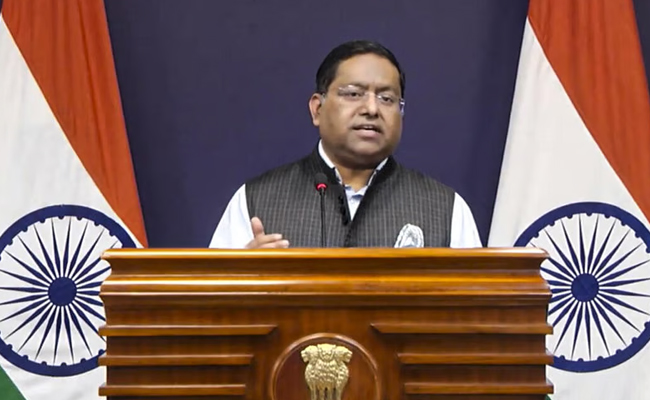
At his weekly briefing, Ministry of External Affairs (MEA) spokesperson Randhir Jaiswal in his response to a query related to requests received from India's neighbouring countries for fuel amid the West Asia situation, also said that India is "finalising a government-to-government agreement" for the supply of oil and gas, which will play an important role in reinforcing energy security of Mauritius.
The conflict in West Asia has now stretched to nearly 50 days, with global ramifications.
"So, we have received requests from our neighbouring countries for supply of fuel, and these are being looked into, keeping in mind our own requirements, availability and refining capacity," Jaiswal told reporters.
He further said India has "supplied 22,000 metric tonnes of high-speed diesel to Bangladesh in March 2026, and further supplies have continued this month as well".
"You would recall that last month we had supplied 38 metric tonnes of petroleum products to Sri Lanka as well," he added.
External Affairs Minister S Jaishankar visited Mauritius last week, the MEA spokesperson said, adding, "We are finalising a government-to-government agreement for supply of oil and gas, which will play an important role in reinforcing the energy security of Mauritius".
As far as Nepal is concerned, there is an existing arrangement between Indian Oil Corporation and Nepal Oil Corporation to supply petroleum products to Nepal as per its requirements. The supplies are continuing without any interruption, he said.
Energy supplies to Bhutan also continue according to the existing arrangement.
"As I had mentioned earlier, we have received a request from Seychelles and the Maldives to meet their energy requirements. We continue to be in touch with them in this regard, and are considering the request keeping in mind our own domestic requirements and availability of fuel.
"I would also like to add that our neighbouring country governments have expressed appreciation for the uninterrupted supply, fuel supply to them during the West Asian conflict," Jaiswal said.
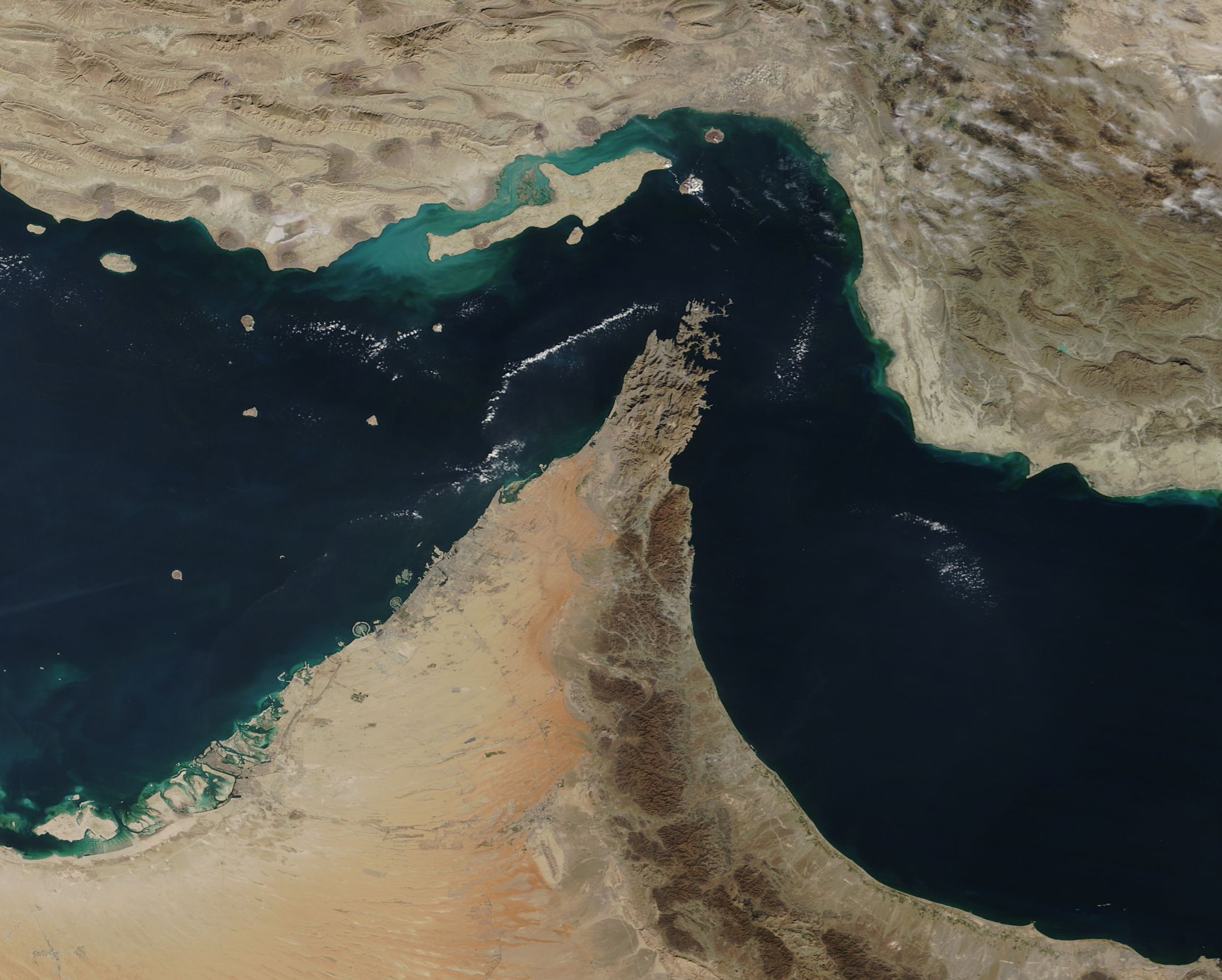
Global oil and gas prices surged after Iran restricted the transit of ships through the Strait of Hormuz, a narrow lane between the Persian Gulf and the Gulf of Oman that handles roughly 20 per cent of global oil and LNG trade.
_vb_59.jpeg)