Controversial video of senior K'taka police officer goes viral, CM warns of action
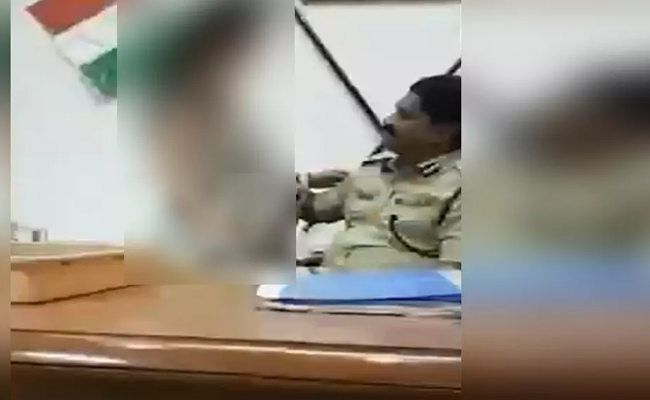
Bengaluru (PTI): A video purportedly showing Karnataka DGP (Civil Rights Enforcement) K Ramachandra Rao in an alleged compromising position with women went viral in the social media on Monday.
Rao sought to reject the videos outright terming them "fabricated and false."
Chief Minister Siddaramaiah warned of action if the official was found guilty. The DGP's attempt to clarify his position with Home Minister G Parameshwara did not fructify.
The top police officer is the stepfather of Harshavardhini Ranya alias Ranya Rao, arrested in a sensational gold smuggling case and currently lodged in the Bengaluru Central Jail.
Kannada TV news channels too aired the blurred images of women in the video.
Chief Minister Siddaramaiah said, "We will get it investigated."
"I got to know about it in the morning. We will initiate disciplinary action against him. No one is above law, notwithstanding how senior the police officer is," he said responding the controversy surrounding the Director General of Police.
As the videos went viral, Rao rushed to meet Parameshwara but the meeting did not take place.
Speaking to reporters outside the minister's house, he said, "I am also thinking how and when it happened and who has done it. In this era anything can happen. I have no idea about it.”
When reporters said that this is an old video, he said, "Old means, eight years ago when I was in Belagavi."
Asked about his next course of action, he said he would discuss with his advocate about it.
"I am shocked. It is all fabricated, lie. The video is all false. I have no idea about it," Rao said.
When reporters asked how this happened, he said, "I will know only if it had happened. I don't know about it."
He added that he will explain to the Home Minister that false information is being spread.
Karnataka minister Laxmi Hebbalkar said the government will take action if someone has done something wrong.
"Being the Woman and Child Development Minister I can tell you that we will take action mercilessly, irrespective of the seniority he holds," she told reporters.
Senior BJP MLA and former Minister S Suresh Kumar slammed the "disgraceful act of police officer" as "an inexcusable crime".
"Rao has committed an act that has brought a blot on the entire police department. The act committed by this senior officer, in uniform and within his own office, has made people view the police department itself with suspicion and doubt," Kumar said in a statement.
The MLA alleged that earlier when large-scale gold smuggling had taken place by misusing the official's name and position, the government had washed its hands of the matter by sending him on compulsory leave.
Social activist Dinesh Kallahalli demanded Rao's suspension.
Let the Truth be known. If you read VB and like VB, please be a VB Supporter and Help us deliver the Truth to one and all.
Trump says he ‘hasn’t even thought about’ continuing Iran ceasefire
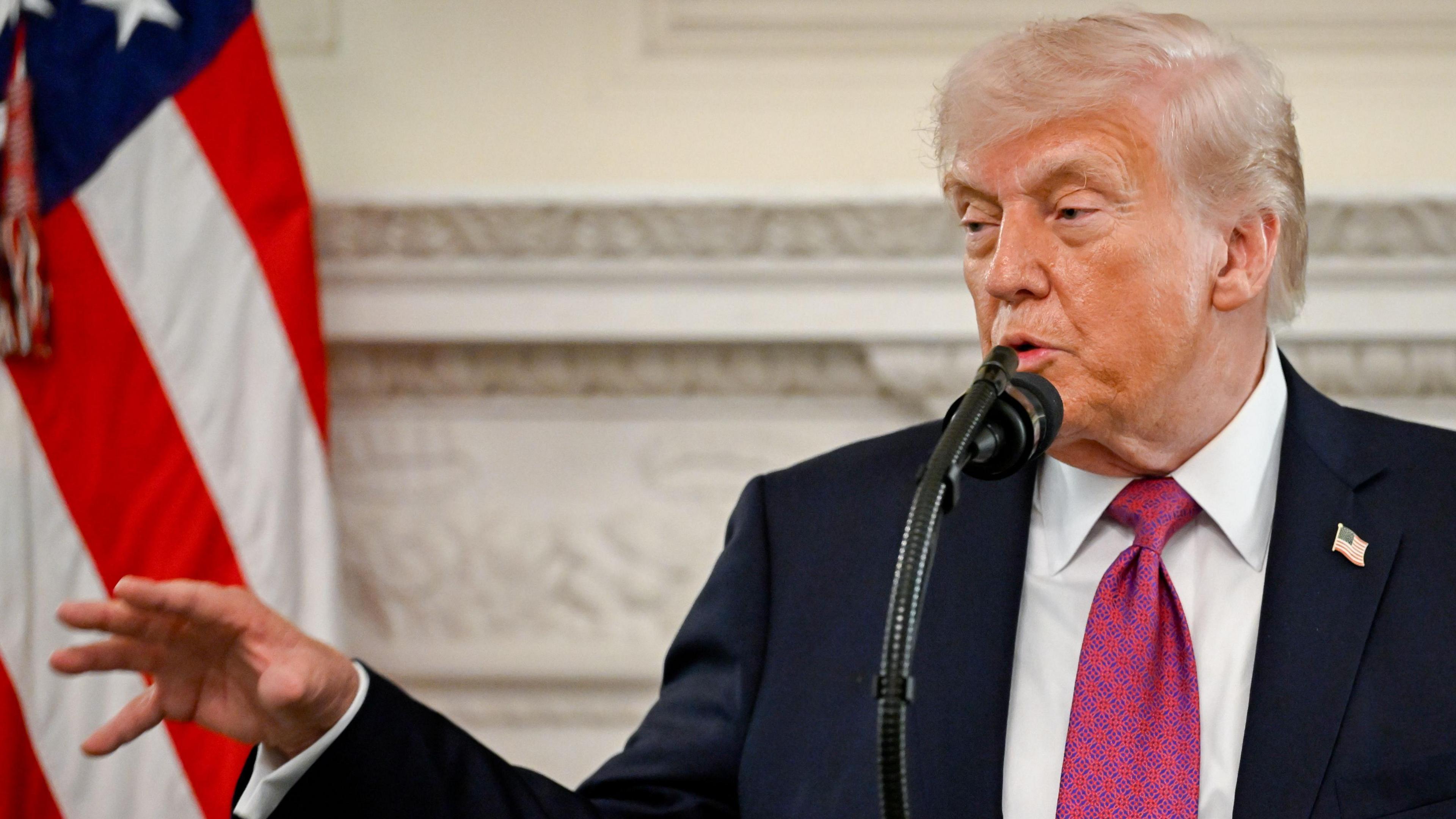
Washington: US President Donald Trump has said he has not yet considered whether he would continue the ceasefire involving Iran, while also claiming the United States holds the advantage in negotiations.
Speaking to reporters, Trump said he was prepared to make a deal with “whoever is running the show” in Iran.
“They are fighting with each other, there’s tremendous infighting. They’re probably fighting for leadership in many cases. I think they’re fighting not to be leader because we knocked out two levels of leaders,” he said.
Trump added, “When they want they can call me. We have all the cards, we’ve won everything.”
Referring to ongoing negotiations, he said, “They gave us a paper that should’ve been better. And, interestingly, immediately when I cancelled it [envoy trip to Pakistan], within 10 minutes we got a new paper that was much better.”
“We talked about they will not have a nuclear weapon, very simple … They offered a lot, but not enough,” he added.
When asked whether he would continue the ceasefire, Trump replied, “I haven’t even thought about it.”
The remarks come as uncertainty remains over the future of the temporary truce and broader negotiations between Washington and Tehran.