Court restricts media from using 'Kundapura' in Hindutva activist Chaitra fraud case coverage
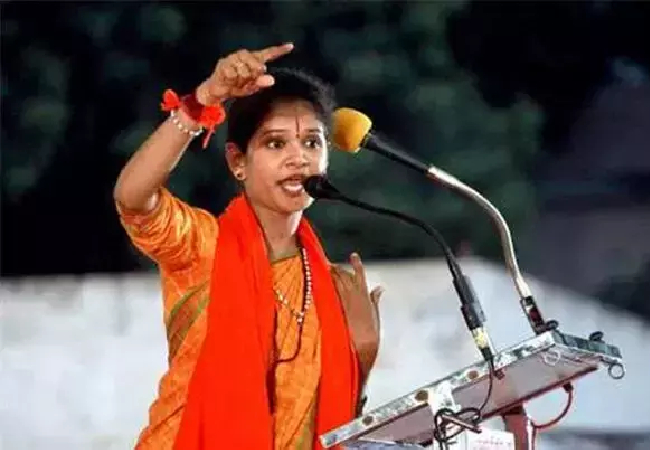
Bengaluru: The Additional City Civil and Sessions Court in Bengaluru has issued an order restraining the media from using the name 'Kundapura' while reporting on the case of Hindutva activist Chaitra, who has been arrested on charges of fraud amounting to Rs 5 crore for allegedly promising a businessman an election ticket from BJP.
The court's directive came in response to a suit filed by Ganesh Shetty, the owner of a coffee shop hotel in Basavanagudi, Bengaluru, and a resident of Kundapur. Shetty sought a ban on media outlets and social media platforms from mentioning the name of Kundapur in connection with the Chaitra case.
The court order temporarily prohibits the use of 'Kundapur' in news reports, media coverage, and panel discussions until further notice.
Chaitra and six other individuals were arrested by the police on fraud charges, and Chaitra also hails from Kundapur. However, the media has been referring to Kundapura while reporting on this fraud case, a practice that has raised concerns about tarnishing the reputation and dignity of Kundapur town.
The suit argues that this derogatory use of Kundapur's name by the media is harming the town's image and that media outlets are exploiting it for increased TRP ratings, likes, and views.
Ganesh Shetty, who has been running his coffee shop in Basanagudi for the past 23 years, has voiced concerns that the incident involving Chaitra may unfairly stigmatize Kundapur and affect future generations in the town.
Let the Truth be known. If you read VB and like VB, please be a VB Supporter and Help us deliver the Truth to one and all.
Teen killed after being hit by private bus in Bengaluru

Bengaluru (PTI): A 16-year-old boy was killed after he was allegedly hit and run over by a private bus while crossing a road here on Friday, police said.
The deceased was identified as Varun, they said.
According to police, the accident occurred around 11:30 am on the Hennur–Bagalur main road.
The boy who crossing the road on foot when he was allegedly struck by the bus and came under its rear wheel, leading to his death on the spot.
He was rushed to a nearby hospital, where he was declared brought dead.
Following the incident, family members and locals staged a protest by blocking the Hennur–Bagalur road, resulting in heavy traffic congestion in the area.
The driver of the bus has been detained, and further legal action is being initiated, a senior police officer said, adding that an investigation is underway.