COVID-19: Karnataka reports 324 fresh infections and three deaths; two more cases of serious AEFI
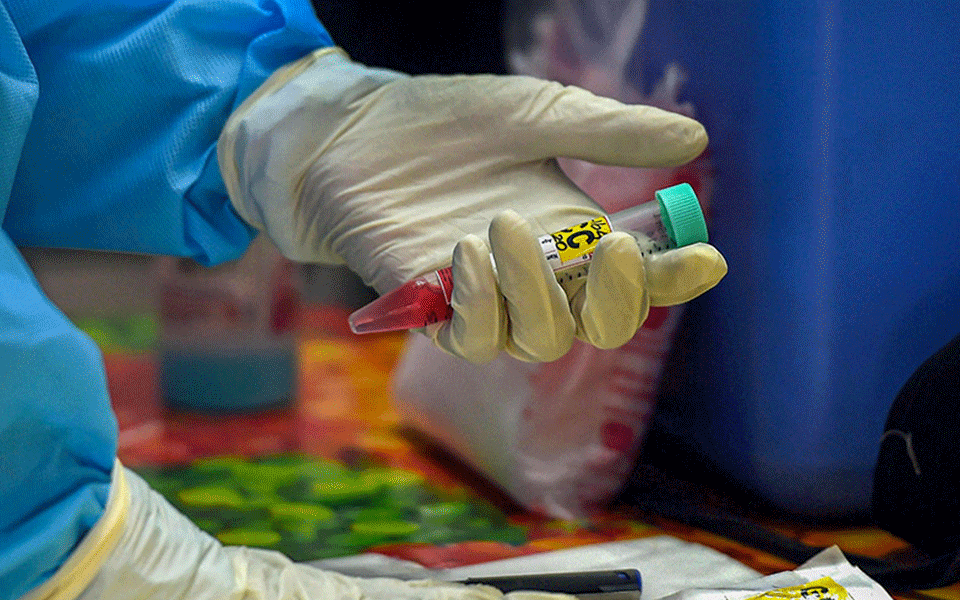
Bengaluru: Karnataka on Friday reported 324 fresh coronavirus cases and three deaths, taking the infection count to 9,34,576 and fatalities to 12,190. There were two incidents of Serious Adverse Events Following Immunisation (SAEFI), taking the total number to nine, a health department bulletin said. Health officials did not disclose the intensity of their adverse impact and their health updates.
On the vaccination programme, the health department said the targeted number of vaccination sessions of the day was achieved.However, against the targeted coverage of 81,519, 42,425 people were vaccinated, which is 52 per cent,it said.
Cumulatively, 1,77,022 people have been vaccinated against the target of 3,18,331, which is 56 per cent.
There were as many as 92,581 tests done on Friday including 85,347 using the RT-PCR and other methods taking the total tests done to 1.64 crore, the department said.
The day also saw 890 patients getting discharged after recovery. The caseload comprises 9,15,382 discharges and 6,985 active cases including 165 patients in the ICU.
Bengaluru urban district accounted for 160 fresh infections and two fatalities. Barring Bengaluru, no other city reported even 20 cases.
According to the health bulletin, 19 infections were reported in Mysuru, 18 in Tumakuru, 14 in Chikkaballapura and 12 each in Belagavi and Dakshina Kannada.
Apart from Bengaluru, one death has been reported in Dakshina Kannada while 28 districts reported zero fatalities.
Haveri, Koppal and Raichur reported zero deaths and zero fatalities due to COVID whereas Bidar, Ramanagara and Shivamogga reported one infection each and zero fatalities.
Let the Truth be known. If you read VB and like VB, please be a VB Supporter and Help us deliver the Truth to one and all.
TVK chief Vijay files nomination from Perambur in Chennai
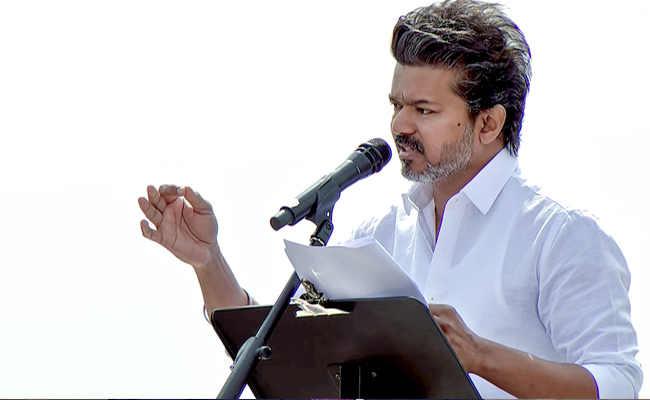
Chennai (PTI): TVK chief, actor-politician Vijay on Monday filed his nomination to contest Assembly polls from Perambur constituency in Chennai.
This is the debut polls for Vijay and he has chosen to fight from Perambur in north Chennai, which has a sizable population of the working classes.