COVID 4th wave may peak after June: Karnataka Health Minister K Sudhakar
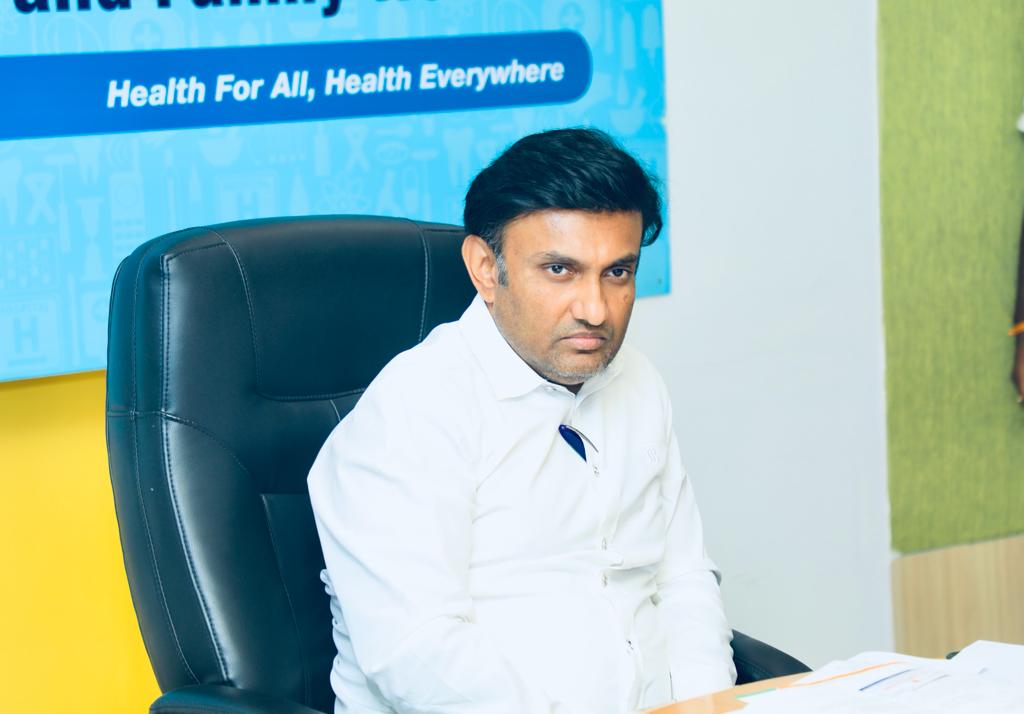
Bengaluru, Apr 26: Experts have predicted that the COVID-19 fourth wave may peak after June and have its effects till October, Karnataka Health Minister K Sudhakar said on Tuesday as he stressed on learning to live with the virus by taking precautionary measures like vaccination and wearing masks.
He said the prevalent variants of the virus is said to be Omicron's sublineages and an official report in this regard is likely in a couple of days.
"IIT Kanpur has been sharing data and reports, according to a report shared by them it (fourth wave) is likely to start from June end, but things have started a month ahead. According to them it is likely to peak after June and may go one till September and October," Sudhakar said.
Speaking to reporters here, he said the report submitted by them about the last three waves was by and large accurate, and the current report too is based on scientific data, and may turn out to be accurate.
"It is two years since the COVID began and we have complete information regarding it. We will also have to lead our lives, we are not in a position to say that COVID will completely vanish from the world, so we have to learn to live with it by following measures like vaccination, wearing masks and maintaining social distance. We have done it in the past too," he added.
Asked whether the state is amidst the fourth wave of COVID, the Minister said, the cases are very less compared to other states, so it will be inappropriate to say that as of now.
Noting that the prevalent variant is said to be Omicron's sublineages, he said, INSACOG lab is likely to give an official report in a couple of days and information can be shared only then.
Amid fresh COVID-19 concerns in different parts of the country and apprehensions of a possible fourth wave of the pandemic, the Karnataka government had issued guidelines making wearing of face-masks and maintaining social distancing compulsory.
Referring to the rise in number of cases in the country in the last one week, Sudhakar said situation in all the states will be analysed at the PM's meeting with Chief Ministers of all the states via video conferencing tomorrow and discussion will take place on precautionary measures that need to be taken.
He said the country could manage the third wave of COVID with not many fatalities or hospitalisations due to vaccination programme undertaken by the government.
Advising that those who have not taken the second dose and those eligible for the precautionary dose of COVID vaccination, to get vaccinated immediately and not to wait for the next wave of the pandemic, the Minister said there is enough stock of vaccines available in the state.
Queried whether precautionary doses will be administered freely to all, like the first and second dose vaccination, he said, "let's see what discussion takes place during the Prime Minister's meeting tomorrow....we will have to analyse whether one dose vaccination has to be administered per year. The Centre and the state will take a decision keeping in mind all aspects."
First dose vaccination coverage in Karnataka is about 105 percent, while it is more 98 percent for second dose, which means 10-12 lakh people are yet to take the second dose. About 55 percent people have taken the precautionary dose that is being administered freely to those above 60 years of age.
Sudhakar urged parents to get their children above 12-years of age inoculated on priority, which is being administered by the government free of cost.
Let the Truth be known. If you read VB and like VB, please be a VB Supporter and Help us deliver the Truth to one and all.
Congress using hijab issue to pacify minority anger, alleges Karnataka LoP R Ashoka
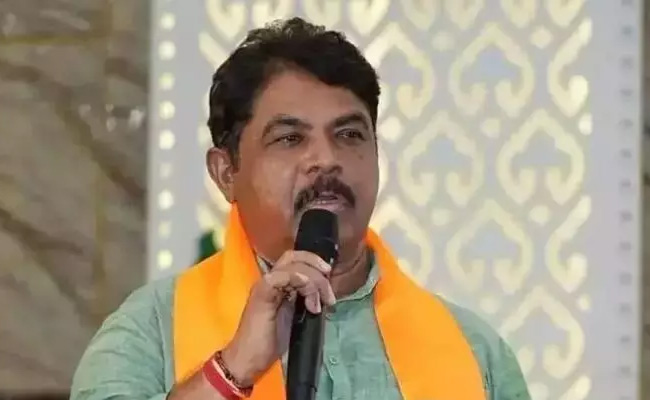
Bengaluru: Leader of Opposition in the Assembly R. Ashoka has accused the Congress government of using the hijab issue to placate what he described as discontent among minority voters after the Davanagere by-election.
In a post on X on Wednesday, Ashoka alleged that the state government, instead of addressing issues such as price rise, corruption, farmers’ distress and law and order, was attempting to retain its minority vote base by reviving the hijab issue.
Referring to the 2022 dress code introduced by the BJP government, which prohibited hijab in schools and colleges, Ashoka said the Karnataka High Court had upheld the policy and emphasised the importance of discipline in educational institutions.
He questioned the Congress government’s move to revisit the issue and asked whether setting aside the court-backed policy to benefit one community could be described as secularism.
Ashoka further alleged that while the government was willing to permit hijab, it continued to prohibit saffron shawls.
He accused the government of dividing students on religious lines rather than treating schools and colleges as spaces of equality.
Drawing a comparison with Mamata Banerjee’s government in West Bengal, Ashoka claimed that excessive appeasement politics had harmed the state and warned that the Congress in Karnataka could face a similar political response.
He said voters in Karnataka would teach the Congress a lesson for what he termed “vote-bank politics” and for compromising constitutional and judicial principles.