Cutoffs for MBBS colleges in Karnataka rise by 9,000 ranks in first round of counseling

Bengaluru: The cutoffs for MBBS in state colleges has increased by 9,000 ranks in the first round of counseling, with experts hoping that, once the All India quota results are announced, the difference will reduce in the next rounds.
The cutoff rank in general merit section was 69,117 in the first round of counseling in 2024, while in 2025, the cutoff rank stands at 60,728. In SC category, the numbers stand at 2,23,564 last year and 2,11,587 this year, according to a report by Times of India.
The high level of cutoff in the first round is attributed to various factors, with Raghavendra Hegde, a counselor, has said that the competition among students was more intense than expected this year, although the examination was tough. Further, he said that everyone had been expecting to witness a fall till 80,000 in the cutoffs, but the results proved them wrong.
Hegde added that the Karnataka has seen a hike in the number of toppers as compared to other states. The toppers have currently opted for state colleges since the Medical Counseling Committee (MCC) counseling is yet to start, but are expected to move to All India Quota (AIQ) seats once the MCC announces the list, he explained.
The counselor said that the National Medical Commission (NMC) had not approved of any new medical college or seat. Karnataka also had lost seats since the Jawaharlal Nehru Medical College in Belagavi was not approved by the NMC.
Let the Truth be known. If you read VB and like VB, please be a VB Supporter and Help us deliver the Truth to one and all.
Congress using hijab issue to pacify minority anger, alleges Karnataka LoP R Ashoka
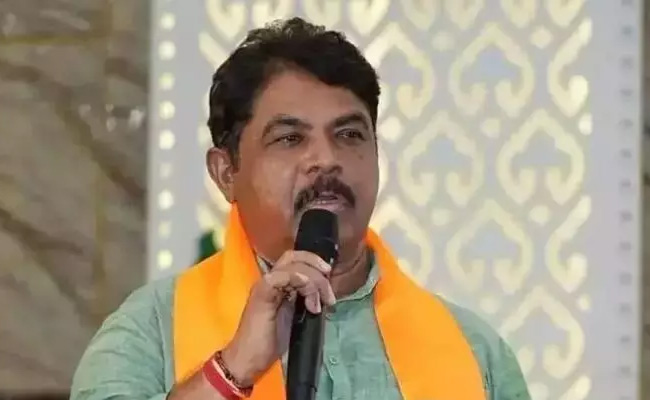
Bengaluru: Leader of Opposition in the Assembly R. Ashoka has accused the Congress government of using the hijab issue to placate what he described as discontent among minority voters after the Davanagere by-election.
In a post on X on Wednesday, Ashoka alleged that the state government, instead of addressing issues such as price rise, corruption, farmers’ distress and law and order, was attempting to retain its minority vote base by reviving the hijab issue.
Referring to the 2022 dress code introduced by the BJP government, which prohibited hijab in schools and colleges, Ashoka said the Karnataka High Court had upheld the policy and emphasised the importance of discipline in educational institutions.
He questioned the Congress government’s move to revisit the issue and asked whether setting aside the court-backed policy to benefit one community could be described as secularism.
Ashoka further alleged that while the government was willing to permit hijab, it continued to prohibit saffron shawls.
He accused the government of dividing students on religious lines rather than treating schools and colleges as spaces of equality.
Drawing a comparison with Mamata Banerjee’s government in West Bengal, Ashoka claimed that excessive appeasement politics had harmed the state and warned that the Congress in Karnataka could face a similar political response.
He said voters in Karnataka would teach the Congress a lesson for what he termed “vote-bank politics” and for compromising constitutional and judicial principles.