Delay in K'taka govt first grade college asst professors’ appointment frustrates candidates
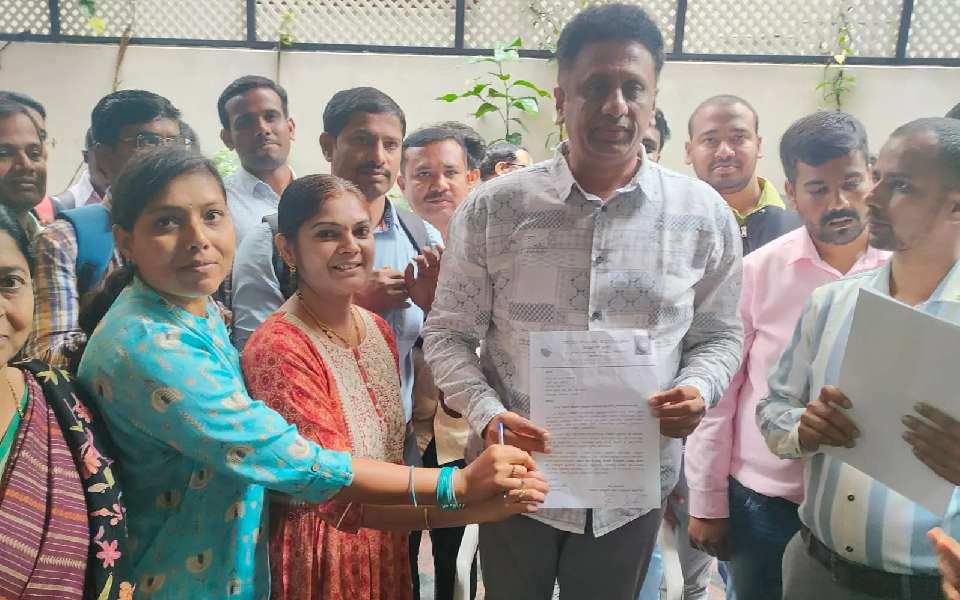
Bengaluru: The Karnataka government has been delaying the appointment of the candidates recruited as assistant professors for government first grade colleges despite all procedures for the appointment being completed already.
The procrastination in issuing the orders has vexed the recruited candidates who have already seen not only a change in government in the state but also two major elections while waiting to get their dream jobs.
The state government had issued a notification through the Karnataka Examination Authority (KEA) in 2021, to fill the 1,242 posts vacant in 430 government first grade colleges in Karnataka. All the required processes, including submitting applications, conducting examination and publishing the results, have been completed as notified. The names of the 1,208 candidates recruited out the 1,242 final applicants, was declared on March 3, 2023, although the list of the names is not published in the official gazette. In addition, verification of the medical condition of the candidates, authenticity of their marks cards and Kannada medium and rural reservation certificates, issue of conduct certificate as well as police verification have been completed.
The candidates are also required to have validation certificates (sindhutva) that confirm their caste and income to finalize their selection for a post. So far, the eligibility of more than 800 candidates, including those selected under general merit, has been confirmed and the validation certificates of approximately 600 candidates have been submitted to the Department of Collegiate Education.
The selected candidates and various organizations have been submitting requests to the government to publish the list of eligible candidates in the official gazette and also to issue the order copies to the candidates. The government, however, is yet to issue the appointment orders, which has been worrying the candidates.
As the recruitment process took three consecutive years, the academic status of students too has been affected. The classes were not completed within the scheduled time, forcing the students of government first grade colleges to depend solely on guest lecturers.
The BJP government, which was in power when the notification for the posts was issued, had delayed the recruitment process by two years. Further, in 2023, the election code of conduction during the Karnataka Assembly polls impeded the process. The new Congress government in Karnataka too has been neglecting the matter, in spite of many suits being filed at the Karnataka State Administrative Tribunal (KSAT), which has resolved all the concerned issues and cleared every impediment for the issuing of order copies to the selected candidates.
KP Madhusudan, convener of the assistant professor candidates' association, has said that the recruitment process, which was started in 2021, is yet to be completed, even after three years. He urged the state government to issue the notification of the appointment order by May-end at the latest.
Dr. MC Sudhakar, Minister of Higher Education, told Vartha Bharati that the model code of conduct had been enforced on account of the ongoing Lok Sabha elections and the state government would take steps to issue the order copies to the selected candidates after the election results were declared.
Let the Truth be known. If you read VB and like VB, please be a VB Supporter and Help us deliver the Truth to one and all.
Accept Congress decision appointing V D Satheesan as Kerala CM: K C Venugopal
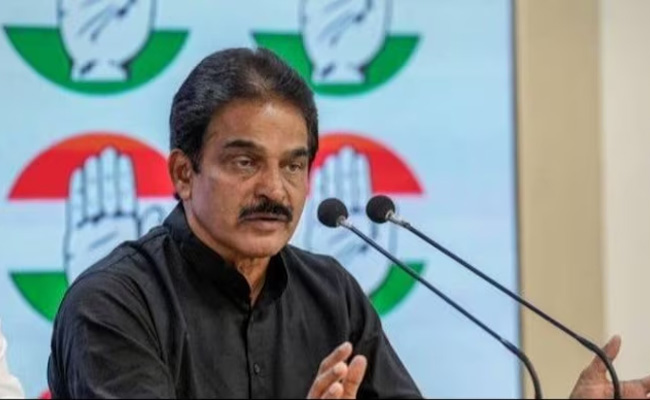
Thiruvananthapuram/New Delhi (PTI): Congress general secretary (organisation) K C Venugopal on Thursday accepted the party decision to select V D Satheesan as the chief minister of Kerala and congratulated him.
Speaking to reporters in New Delhi, Venugopal, who was one of the three persons being considered for the post, said he will provide all support to the CM and the UDF government in Kerala.
The decision comes more than 10 days after the results of the April Assembly polls in Kerala were declared.
The Congress-led UDF secured a more than two-thirds majority in the Kerala Assembly elections, but the party has been unable to decide its chief ministerial face due to lobbying by different camps and protests by workers at the ground level.
Besides, Satheesan and Venugopal, senior Congress leader Ramesh Chennithala was also in the race for the CM post.