Despite opposition, Karnataka CM inaugurates Flyover in Bengaluru named after Veer Savarkar
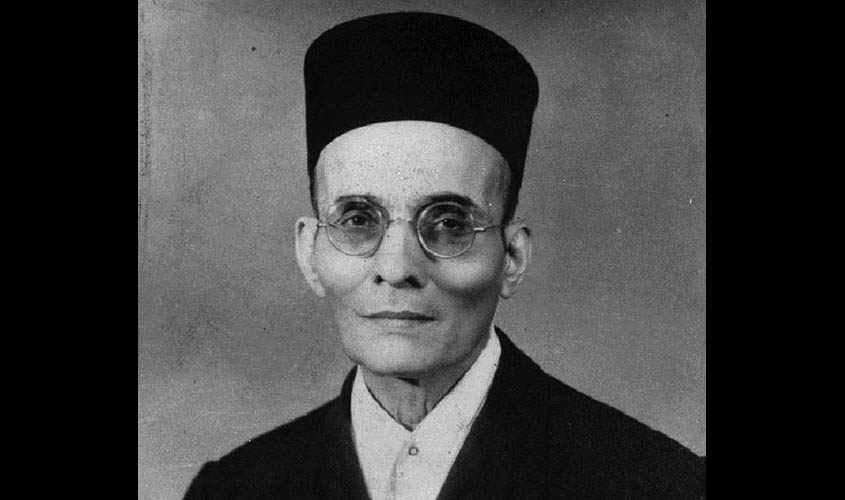
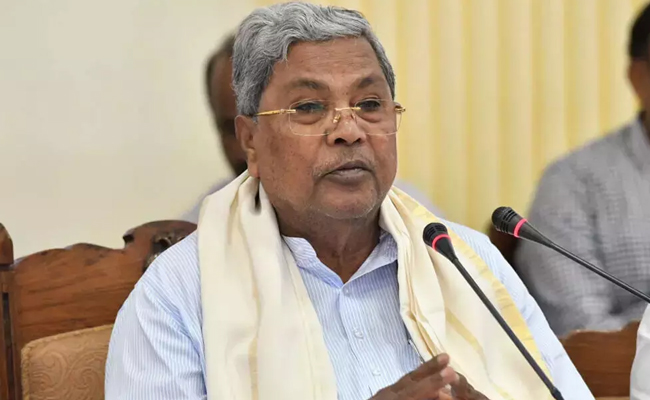
Bengaluru: Karnataka Chief Minister B S Yediyurappa on Tuesday inaugurated a flyover in the city after freedom fighter and Hindutva ideologue Veer Savarkar, despite opposition from the Congress and JD(S) to name it after him.
The 400 metre long flyover, constructed at a cost of Rs 34 core by city civic body Bruhat Bengaluru Mahanagara Palike, is on the Major Sandeep Unnikrishnan Road at Yelahanka.
Speaking after inaugurating the flyover, Yediyurappa said Savarkar sacrificed his entire life for the freedom of India.
It was apt to name the flyover after Savarkar, a "great patriot", the Chief Minister said, as he noted that his government was giving priority for the all round development of all cities in the state, including Bengaluru.
The flyover was earlier scheduled to be inaugurated on May 28 on Savarkar's birthday. However, the government had postponed it at the last minute, citing COVID-19 related restrictions in place. Both Congress and JD(S) flayed the move to name the flyover after Savarkar.
Alleging that the BJP government in Karnataka did not show any interest regarding the Sangolli Rayanna (18th century warrior and freedom fighter) statue in Belagavi district until there was a public movement for it, the state Congress in a tweet said, "It was shameful and an act of treason to name the flyover at Yelahanka after Savarkar, who was accused of being involved in Gandhi's killing."
JD(S) too, pointing at issues that had cropped up against installing the Sangolli Rayanna statue at Belagavi, said that in such a situation, it was against the move to name a public flyover after Savarkar, who does not have any connection with Karnataka.
Accusing the BJP government of adopting an "anti-state policy" from the day it came to power, JD(S) said the move to name the flyover after Savarkar too was an extended part of this policy and demanded to know why it had not got it named after any esteemed personality in the state.
JD(S) youth wing had planned a protest against the naming of the flyover, but were not given permission by police and its leaders were detained.
Earlier in May too, Congress and JD(S) had opposed the move and termed it as an 'insult' to freedom fighters of the state.
Let the Truth be known. If you read VB and like VB, please be a VB Supporter and Help us deliver the Truth to one and all.
Two arrested in K'taka for assaulting minors, uploading CSAM content

Bengaluru (PTI): Two men were arrested for allegedly sexually assaulting two minor girls, recording the acts on mobile phones and uploading the videos online as child sexual abuse material, police said on Thursday.
The accused have been identified as Kiran Kumar (29), hailing from Chitradurga district, and Aditya M K (20), hailing from Shivamogga district, they said.
A probe was initiated after information was received from the NCRP portal regarding a suspected instance of creation of Child Sexual Abuse Material (CSAM) for online dissemination, police said.
Accordingly, a case was registered at Kaggalipura Police Station under relevant sections of the IT Act on May 10, they added.
Investigation revealed that two minor girl victims were exploited and videos were created and uploaded to the internet. The child victims have subsequently recorded their statements as per procedure and further necessary legal steps have been taken, Pronab Mohanty Director General of Police, Cyber Command, said in a statement.
Based on the statements of the victims, the accused persons, who allegedly assaulted the minors, recorded the acts on mobile phones and uploaded the videos online, were arrested, he said.
Following the probe, sections 65(2) (rape) and 70 (gangrape) of the Bharatiya Nyaya Sanhita, along with relevant sections of the POCSO Act, have been added to the FIR, police said.
Officials collected relevant information and on May 12, arrested the accused persons and seized three mobile phones belonging to them, in which the videos had allegedly been recorded, he said.
The accused were later produced before the court and taken into police custody for further investigation, he added.
According to him, in CSAM cases, police usually apprehend offenders who have downloaded such content or have kept them in their possession after obtaining them from elsewhere, usually the internet.
"The present case is one of the very few instances where content creators and uploaders have been apprehended," Mohanty added.