Digital arrest scam: Two women held on hostage for nearly nine hours by fraudsters posing as police
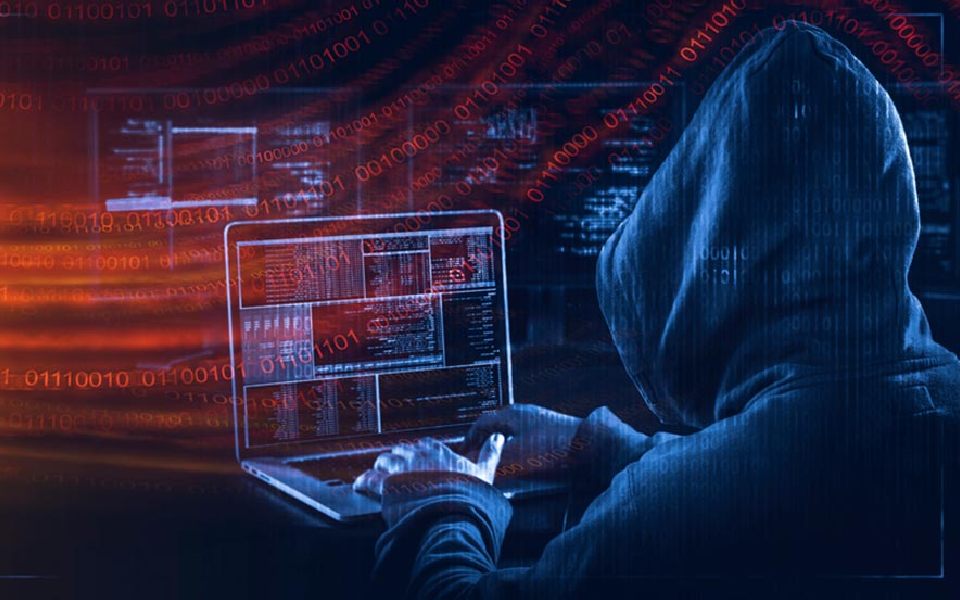
Bengaluru, Jul 23 (PTI): In another case of "digital arrest", two women were allegedly held hostage on a video call for nearly nine hours and forced to strip naked under the pretext of an “online medical examination” by cyber fraudsters posing as police officers, police said on Wednesday.
The women were also "threatened with the nude images and videos recorded during the so-called medical examination," which the fraudsters claimed was necessary to identify birthmarks and moles, police said.
In the FIR, a 46-year-old Bengaluru woman said she and her childhood friend, an international instructor based in Thailand who is currently visiting India, were scammed by individuals claiming to be police officials from the Colaba Police Station in Mumbai.
On July 17, at around 11 am, her friend received a call from the fraudsters, who alleged that she was involved in a "Jet Airways scam".
According to the FIR, the fraudsters further accused her of involvement "in money laundering, trafficking, and even murder."
They shared her accurate bank card details to bolster their claims. Fearing serious consequences, the women complied with their demands and transferred Rs 58,477 to a specified bank account, as instructed.
The women were also threatened with what appeared to be official documents—an arrest warrant and other paperwork supposedly from the CBI—related to money laundering.
"After that, they said a medical examination was needed to verify marks or tattoos on our bodies and instructed us to strip naked and follow their directions, which we did. They then told us we were under digital and home arrest and ordered us to remain on a WhatsApp video call for 24 hours. We weren’t allowed to leave the house, as they claimed we were under surveillance," the complainant stated.
Later, her childhood friend managed to contact another friend via WhatsApp and narrated their ordeal.
On her friend’s advice, she immediately disconnected the call after realising it was a scam. Soon after, the fraudsters began sending them their nude photos—captured during the so-called medical examination—and threatened to make them public.
"For about nine hours, we were subjected to continuous harassment, which caused us extreme stress and emotional trauma," the complaint added.
Based on the complaint, a case was registered under relevant sections of the Information Technology Act and Section 318(4) (cheating) of the Bharatiya Nyaya Sanhita at the East CEN Crime Police Station on July 19.
Police said the matter is under investigation.
Digital arrest is a term used in cyber fraud cases where victims are falsely informed that they are under surveillance or in legal custody through digital means. They are often isolated via continuous video or call surveillance by fraudsters impersonating government officials and manipulated into following instructions—often leading to extortion or fraud.
Let the Truth be known. If you read VB and like VB, please be a VB Supporter and Help us deliver the Truth to one and all.
NEET-UG: 2 more held, role of several NTA officers under scanner; CBI focussing on source of leak
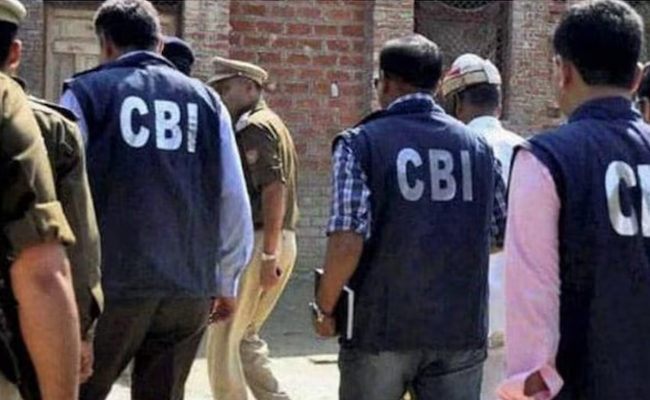
New Delhi (PTI): The CBI has arrested two more persons in connection with the NEET (UG) paper-leak case, with the role of several officers of the National Testing Agency (NTA) and other organisations, who had access to the printing press where the papers were printed, coming under the scanner, officials said on Thursday.
The agency has arrested Dhananjay Lokhanda from Ahilyanagar and Manisha Waghmare from Pune and conducted searches at 14 locations across the country in the last 24 hours, they said.
The CBI is focussing on identifying the source of the leak that has caused massive disappointment to lakhs of aspirants eyeing a seat in undergraduate medical courses, which are allotted after the highly-competitive examination, the officials said.
According to the CBI probe so far, the involvement of public servants in the leak cannot be ruled out.
The Central Bureau of Investigation (CBI) has arrested three individuals from Jaipur -- Mangilal Biwal, Vikas Biwal and Dinesh Biwal -- along with Yash Yadav from Gurugram and Shubham Khairnar from Nashik.
Khairnar was in touch with Yadav and informed him in April that Mangilal Biwal was ready to pay Rs 10-12 lakh for arranging leaked NEET (UG) 2026 questions for his younger son.
Khairnar allegedly provided 500 to 600 questions from the leaked paper to Yadav, the officials said, adding that the questions could have helped score enough marks to get a seat in a reputed medical college.
Mangilal Biwal allegedly procured the paper from Yadav, who was known to his elder son Vikas Biwal from an NEET coaching in Rajasthan's Sikar. The deal between Mangilal Biwal and Yadav was for Rs 10 lakh, if 150 questions from the question bank matched with those in the National Eligibility-cum-Entrance Test (NEET) paper, the officials said.
Mangilal Biwal shared the paper with his son and further distributed it among relatives.
Yadav also told Vikas Biwal to find additional candidates for the questions to recover some of the money that he had spent on getting those, the officials said.
An analysis of digital devices has given the agency incriminating chats, leaked question papers and other digital evidence. The CBI will subject the devices to a forensic examination to get the deleted data, the officials said.
The federal agency has registered an FIR and formed teams to probe the alleged NEET (UG) paper leak that resulted in the cancellation of the exam held on May 3.
The NEET (UG) 2026 was conducted across 551 Indian cities and at 14 overseas centres. Nearly 23 lakh candidates had registered for the test, which was administered by the NTA at centres across the country.
According to the NTA, information regarding alleged malpractice was received on the evening of May 7, four days after the examination was held. The NTA said the inputs were escalated to central agencies the following morning for "independent verification and necessary action".
The Rajasthan Police's Special Operations Group (SOG) has claimed that a "guess paper" for chemistry, allegedly circulated among students ahead of the examination, had approximately 410 questions, including roughly 120 that appeared in the test.