Efforts on to bring 200 students stuck in Ukraine: CM Bommai
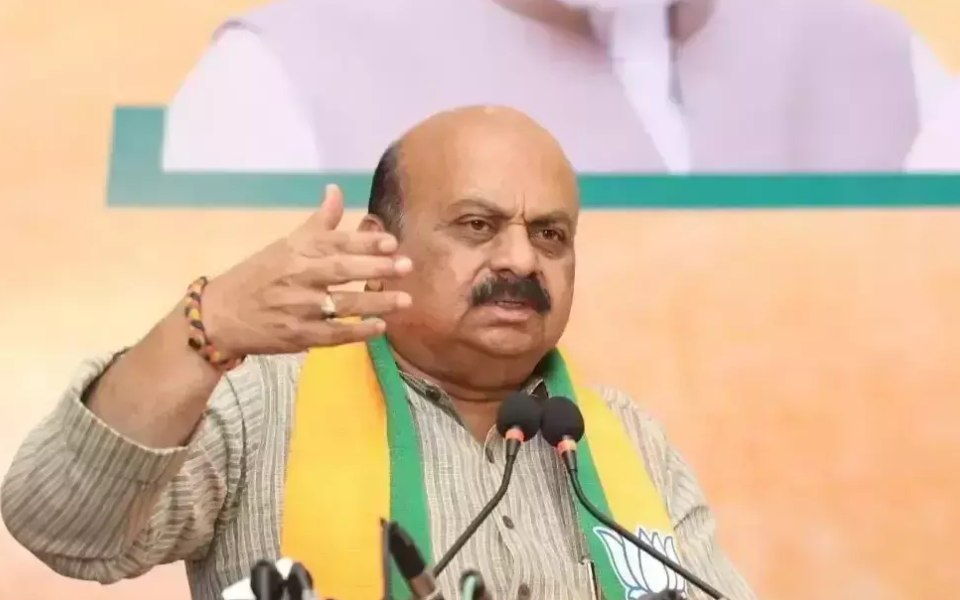
Hubballi, Mar 6: Karnataka Chief Minister Basavaraj Bommai on Sunday said efforts are on to airlift nearly 200 students from Karnataka who are stranded in the bunkers in Kharkiv in war-torn Ukraine.
"There are 200 students from Karnataka stuck in the bunkers in Kharkiv. The Indian Embassy in Ukraine is working hard to bring them to India. We are also in constant touch with the External Affairs Minister S Jaishankar. Prime Minister Narendra Modi is personally monitoring the rescue operation and efforts are on to bring students to India," Bommai told reporters here.
The Chief Minister welcomed Chaithra Gangadhar Saunshi from village Yaraguppi in Kundakol in Dharwad district, who returned from Kharkiv.
According to the Chief Minister's office, Saunshi was studying in Kharkiv Ukraine when the war broke out between Russia and Ukraine and Kharkiv was among the worst affected places.
The CMO said Saunshi was holed up in a bunker for a week and then she walked for nine kilometres and reached Poland.
After crossing the Ukraine border the Indian embassy authorities helped her fly to India. After reaching New Delhi she arrived in Karnataka.
Saunshi's parents have thanked the Indian government for bringing their daughter back to the country.
The Chief Minister said there were four people from Dharwad stranded in Ukraine of which two have returned while the remaining two have crossed the Ukraine border.
Regarding bringing back S G Naveen's body, a fourth year medical student in Kharkiv who died in the shelling in Kharkiv on March 1, Bommai said the Indian Embassy in Ukraine has been working there.
Let the Truth be known. If you read VB and like VB, please be a VB Supporter and Help us deliver the Truth to one and all.
NEET student hangs self in Rajasthan's Sikar
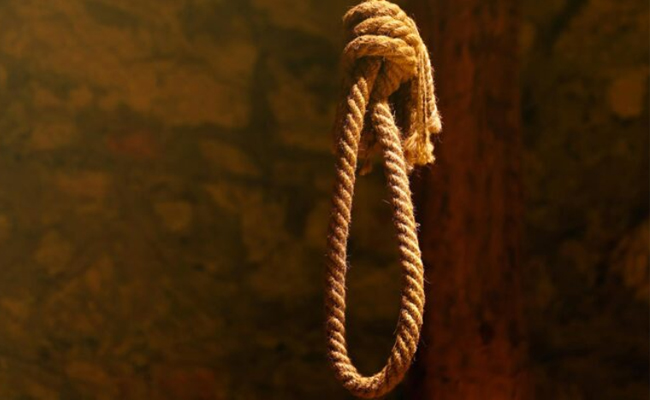
Jaipur (PTI): A student preparing for the NEET examination allegedly committed suicide by hanging himself in a rented room in Rajasthan's Sikar on Friday, police said.
According to the police, the student allegedly hanged himself from a ceiling fan using his sister's scarf while one sister was attending coaching classes and the other was in the bathroom.
He had appeared in the NEET UG exam 2026, which was cancelled due to paper leak, they said.
Udyog Nagar SHO Rajesh Kumar said that the deceased, identified as Pradeep Meghwal, was a resident of Kanika ki Dhani village in Jhunjhunu's Gudha Gaudji area.
He had been living in a rented room in Sikar's Jaldhari Nagar area with his two sisters while preparing for NEET over the last three years.
His elder sister later found him hanging and informed the landlord and police after bringing him down, officials said.
The SHO said the body was kept at SK Hospital mortuary, and a postmortem had not been conducted.
The student's father, Rajesh Kumar Meghwal, told police that Pradeep's NEET examination had gone well and the family was expecting him to score around 650 marks.
Former Rajasthan deputy chief minister Sachin Pilot expressed grief over the incident and linked it to anxiety among students after reports of irregularities and paper leaks in NEET 2026.
Pilot said repeated paper leak incidents and cancellation of examinations were affecting students' mental health and demanded a time-bound investigation and strict action against those responsible.