Engineering will be taught in Kannada in 4 colleges from current year: Minister Ashwath Narayan
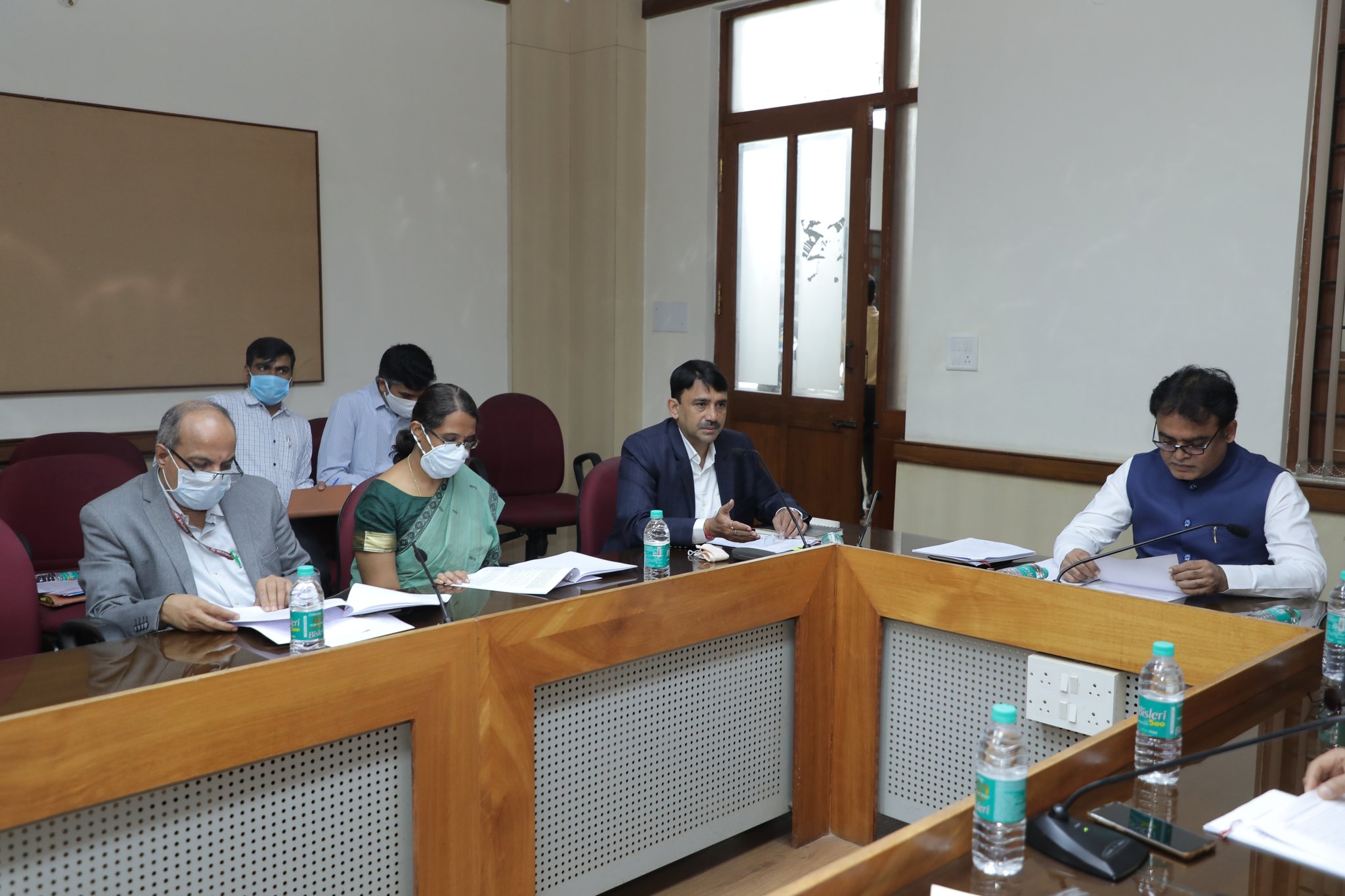
Bengaluru, Sep 29: Karnataka Higher Education Minister C N Ashwath Narayan on Wednesday said engineering will be taught in Kannada in four colleges from the current year.
"Teaching engineering in Kannada will begin in four colleges from the current year itself. Bheemanna Khandre Institute of Technology, Bhalki (Civil), BLDAE VP Dr P G Halakatti College of Engineering, Vijayapura (Civil), SJC Institute of Technology, Chikkaballapura (Mechanical), and Maharaja Institute of Technology, Mysuru (Mechanical) will start to teach in Kannada," he said.
National Board of Accreditation (NBA) accredited colleges have been permitted to teach engineering in Kannada, he said, adding that upto 30 students can be admitted.
The Minister also said a consensual agreement has been reached between the government and private colleges not to hike the fees of engineering courses in private colleges.
The fees for the engineering courses in private colleges for students who secure admission this year under government quota will continue as earlier in two different slabs of Rs 65,340 and Rs 58,806, he said.
"While private colleges had pressed to increase the fee by 30 per cent, the committee headed by Prof. Karisiddappa, Vice-Chancellor of Vishweshwaraiah Technological University (VTU), had recommended a hike of 15-25 per cent. But, in view of the COVID-19 situation, representatives of private colleges were convinced not to go for a hike," the Minister was quoted as saying by his office in a release.
This decision was taken at a meeting held with private college representatives at Vikasa Soudha here, it said.
The other important decisions taken at the meeting include fixing a maximum cap of Rs 20,000 each for fees collected in the form of 'miscellaneous fees' and 'skill fees'.
Also miscellaneous and skill fees, along with admission fees should not be remitted at colleges, but at the Karnataka Examination Authority (KEA), it said.
This decision has been taken as per the recommendations of a committee headed by Prof Karisiddappa, the Minister said.
ಶುಲ್ಕ ಹೆಚ್ಚಳ ಬೇಡ ಎಂಬ ನಮ್ಮ ಸರ್ಕಾರದ ನಿರ್ಧಾರವನ್ನು ಪರಿಗಣಿಸಿ, ಸಕರಾತ್ಮಕವಾಗಿ ಸ್ಪಂದಿಸಿದ ಖಾಸಗಿ ಸಂಸ್ಥೆಗಳಿಗೆ ಕೃತಜ್ಞತೆಗಳು.
— Dr. Ashwathnarayan C. N. (@drashwathcn) September 29, 2021
ಈ ಬಾರಿ 4 ಇಂಜಿನಿಯರಿಂಗ್ ಕಾಲೇಜುಗಳಲ್ಲಿ ಕನ್ನಡ ಮಾಧ್ಯಮದಲ್ಲಿ ಬೋಧಿಸಲು ನಿರ್ಧರಿಸುವುದು ಸ್ವಾಗತಾರ್ಹ. NEP ಯಡಿ ಕೂಡಾ ಕನ್ನಡಕ್ಕೆ ಆದ್ಯತೆ ನೀಡಲಾಗಿದೆ.
2/3
Let the Truth be known. If you read VB and like VB, please be a VB Supporter and Help us deliver the Truth to one and all.
Union government assumes full control over TV ratings, TRAI role curtailed: Report
New Delhi: The Union government has assumed full control over television audience measurement, removing the Telecom Regulatory Authority of India (TRAI) from oversight of the ratings system that underpins the country’s ₹36,000 crore television advertising market, according to a report published on Wednesday.
The report in Mint said the Ministry of Information and Broadcasting (MIB) now has exclusive authority over the framework governing how television ratings are measured and regulated. TRAI had been entrusted with oversight of TV ratings in 2012 during the UPA government’s tenure. TRAI is no longer mentioned in the relevant policy document, effectively vesting sole authority in the MIB.
The report said TRAI will continue to regulate other aspects of broadcasting, including channel pricing, advertising caps, interconnection and distribution norms, service quality and compliance standards. Its role in determining how ratings agencies track viewing behaviour has been withdrawn.
Television Rating Points (TRPs), which reflect viewership patterns, guide advertisers in deciding where to allocate spending across channels and time slots.
A government source quoted in the report said the ministry could modify TRAI’s decisions even when the regulator oversaw broadcasting.
A former CEO of Prasar Bharati told the newspaper that the MIB has historically regulated rating agencies through licensing and guidelines, and by holding them accountable under existing norms.
During its tenure overseeing ratings, TRAI had taken decisions affecting the broadcast sector, which included capping advertising time at 12 minutes per hour following complaints about excessive commercial breaks and it now remains unclear how these matters will be addressed under the revised arrangement.
Satya N. Gupta, former principal advisor at TRAI, was quoted as saying that merging regulatory functions with policy oversight and removing an independent regulator from the process was a retrograde step.
TRAI’s involvement in broadcasting had earlier attracted criticism as well. In 2012, its consultation paper on quantitative limits on television advertising was viewed by some as overlapping with the Advertising Standards Council of India’s code. Subsequent recommendations covering television audience measurement, ownership of news channels and issues such as paid news had also raised concerns among sections of the industry.
Television ratings have faced scrutiny in recent years, including during the controversy involving the Broadcast Audience Research Council (BARC), where officials of the ratings body were prosecuted over allegations of manipulation of viewership data.