Feb 16: 1,894 new COVID-19 cases in Karnataka, 24 deaths
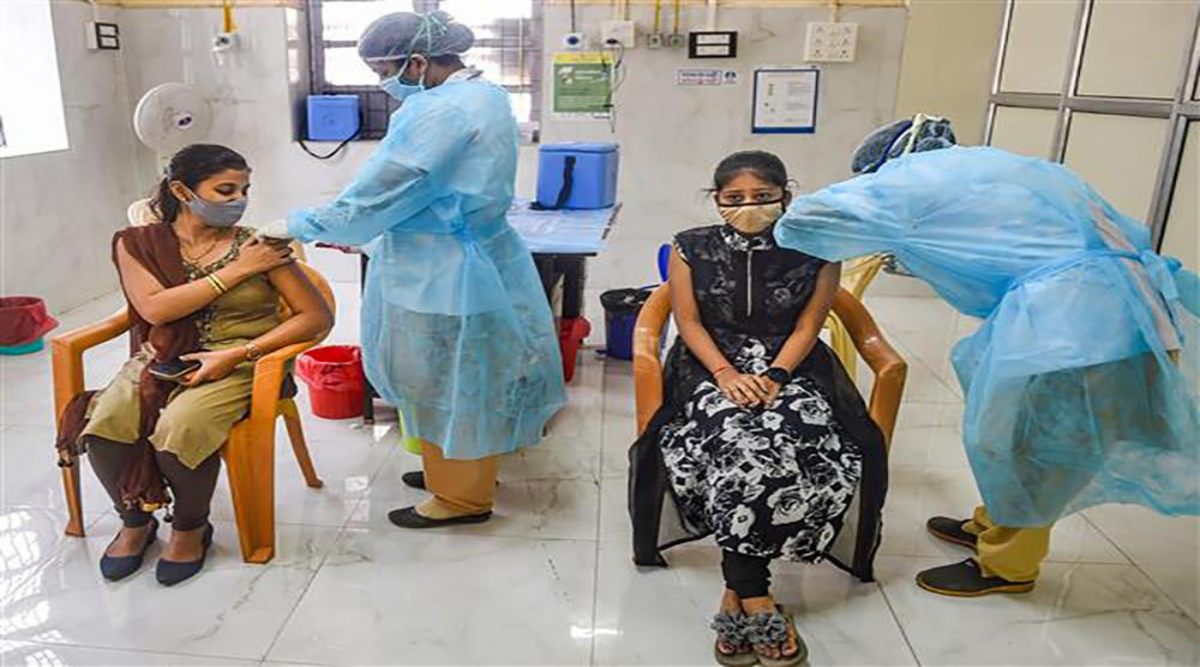
Bengaluru, Feb 16: Karnataka on Wednesday clocked 1,894 fresh cases of coronavirus and 24 fatalities, taking the tally to 39,31,536 and toll to 39,715.
There were 5,418 discharges, pushing the total number of recoveries to 38,68,501, a Health bulletin said.
Of the new cases, 835 were from Bengaluru Urban that saw 1,979 people being discharged and 4 virus-related deaths.
The total number of active cases across the state is now 23,284.
While the positivity rate for the day stood at 1.90 per cent, the case fatality rate (CFR) was 1.26 per cent.
Of the 24 deaths, four are from Bengaluru Urban; Ballari 3, Bagalkote, Dharwad, Udupi and Uttara Kannada 2, followed by others.
After Bengaluru Urban, Mysuru recorded the second highest number of cases at 125, Belagavi 87, Udupi 69, Tumakuru 61, Ballari 56, Hassan and Shivamogga 50, followed by others.
Bengaluru Urban district now has a total of 17,73,222 cases, Mysuru 2,28,852 and Tumakuru 1,59,355.
Cumulatively, a total of 6.37 crore samples have been tested, of which 99,516 were on Wednesday alone.
To view today's health bulletin: CLICK HERE
Let the Truth be known. If you read VB and like VB, please be a VB Supporter and Help us deliver the Truth to one and all.
Climate Change crisis: IMD to change parameters to declare heatwaves
Thiruvananthapuram (PTI): The IMD, along with its technical partners, will soon revise the criteria for declaring heatwave conditions in the country, as the present parameters do not suit India’s geographical conditions, according to official sources here.
Kerala, in particular, has faced difficulties in issuing heatwave warnings because of the limitations of the existing parameters.
Sources in the India Meteorological Department said the state experienced severe heat and humidity this summer and, for the first time, weather forecasts were made based on the anti-cyclone system that formed near the Karnataka–Maharashtra coast.
"We have never had an anti-cyclone system form closer to the South before, and this time we had to predict the weather based on it," a senior IMD official told PTI.
Anti-cyclonic systems are common over north-western parts of India, but this year one formed near the southern region, leading to unusually hot nights.
The anti-cyclone caused downward air movement, which pushed warm air towards the surface and prevented it from dispersing at night, the official added. As a result, Kerala recorded night temperatures 3 to 4 degrees Celsius above normal.
Because Kerala has experienced a steady temperature increase during the summer months for the last few years, changing the parameters for declaring heat waves would benefit the state, enabling the authorities to issue warnings more efficiently, the official added.
The IMD currently issues hot and humid weather warnings, although the situation warrants a heatwave warning, as the existing parameters do not allow the department to issue one.
At present, the IMD issues a heat wave warning in coastal areas when the maximum temperature reaches 37 degree Celsius or more with a temperature departure of 4.5 degree Celsius over the recorded maximum temperature.
For plains, the threshold is 40 degrees Celsius with a departure of 4.5 degrees Celsius or more from normal, while for hilly regions it is 30 degrees Celsius with a departure of 4.5 degrees Celsius or more.
Officials said the current heatwave declaration parameters also require these conditions to be recorded at two stations in the state to issue the warnings.
"In Kerala, we hardly get to record these conditions in two areas; moreover, we have severe heat stress that can easily cause a heat stroke. So we have decided to rework the heatwave declaration parameters and the changes will be implemented shortly. There will be a consultation with the Disaster Management Authority also before finalising the parameters," the official said.
Throughout Kerala, temperatures recorded this summer were three to four degrees Celsius higher than usual. The state also reported multiple cases of heatstroke despite regular warnings issued by the IMD and the state disaster management authority.
According to experts, Kerala has become a climate change hotspot, with a steady increase in atmospheric temperatures and erratic monsoons.
The IMD has also predicted a below-normal monsoon this year, as this is the first time two consecutive El Nino years are being witnessed.