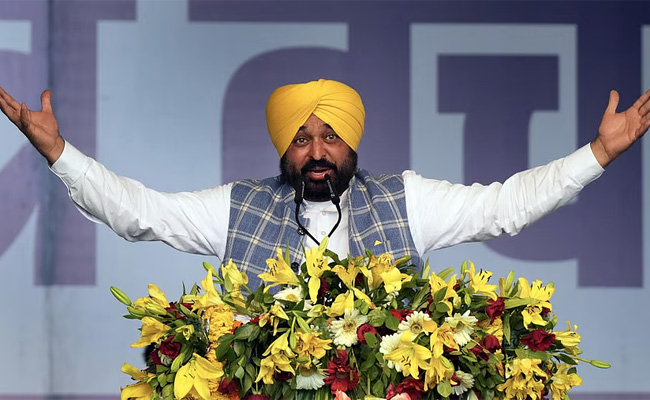
Finland Ambassador calls on Chief Minister
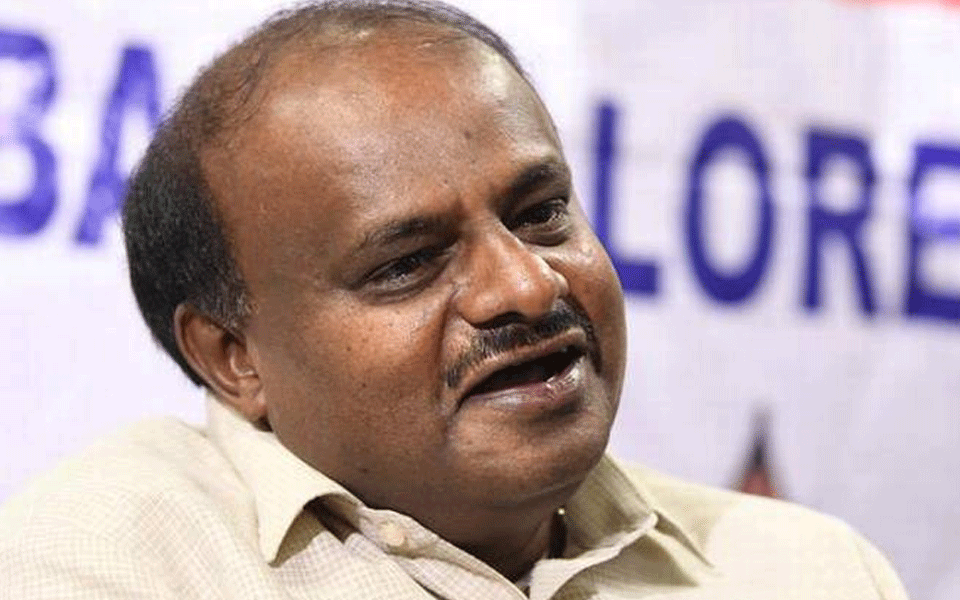
Bengaluru, October 04: Finland Ambassador to India, Nina Vaskunlahti, called on Chief Minister H.D Kumaraswamy here on Thursday and discussed the collaboration and partnership between Karnataka and Finland.
Both the leaders held a detailed discussion over the Memorandum of Understanding, signed last year, listing out the areas of cooperation between Karnataka and Finland.
Appreciating the substantial progress, she proposed that the MoU should be continued further with a scope of Industries, Education and Energy. She also said that the Minister for Trade and International Co-operation of Finland would be visiting the Bengaluru Tech Summit to be held in November.
She also discussed the 5G development centres in Bengaluru set up by Nokia, a Finnish company, and the training in emerging technology and support to tech start-ups that Nokia has been providing.
The Chief Minister welcomed the enthusiasm evinced by the Finland Government to extend the Trade Agreement to other fields and aspired that the move would further strengthen the collaboration between the two regions. He assured that the State Government was committed to provide all possible support in this regard.
Government of Karnataka Chief Secretary T.M. Vijay Bhaskar, Additional Chief Secretary to Industries and Commerce, Gaurav Gupta, Additional Chief Secretary to the Chief Minister, Dr. E.V. Ramana Reddy, and Secretary to Chief Minister Dr. Selvakumar were present.

Let the Truth be known. If you read VB and like VB, please be a VB Supporter and Help us deliver the Truth to one and all.
Hockey India announces U18 men's, women's squad for Australia series
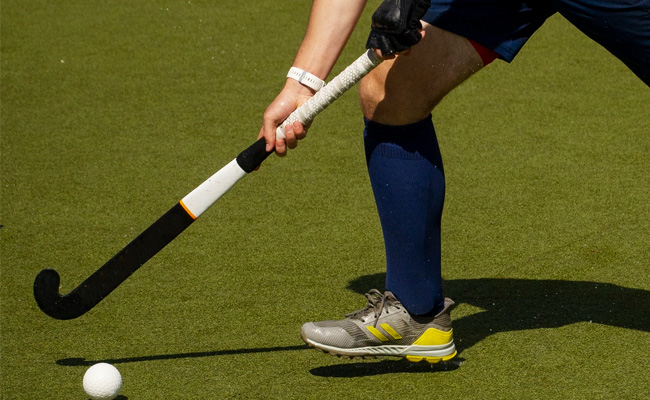
Bhopal (PTI): Hockey India on Thursday announced the 24-member Indian U-18 Men's and Women's squads for the upcoming home series against Australia from May 15 to 20.
The four-match series, to be played at SAI Bhopal, is a critical part of the teams' preparations for the Men's and Women's U-18 Asia Cup to be held at Kakamigahara, Japan, from May 29-June 6.
The squad members were selected after a week of rigorous evaluation during the national coaching camp, where the initial group of 42 players was narrowed down based on match fitness and tactical adaptability.
Forward Ketan Kushwaha has been named captain of the Indian U-18 men’s team, while the Indian U-18 women’s side will be led by Sweety Kujur.
"After a productive week in the camp, we have identified the 24 players whom we believe are ready for international exposure. These matches against Australia are not just practice games as they are a vital test of our match temperament and tactical discipline.
“Ketan is a natural leader, and I am keen to see how this group handles the pace and pressure of the Australian style before we head to the U-18 Asia Cup in Japan," said Sardar Singh, coach of men’s side.
“We have pruned the squad to 24 players who have shown the greatest consistency and growth during the camp. Sweety has the experience and vision required to lead this young side effectively.
“Playing four matches against a top-tier side like Australia in Bhopal will give us a clear picture of our strengths and the areas that need adjustment. This series is the ultimate dress rehearsal for the girls before the Asia Cup,” said Rani Rampal, women team’s head coach.
U-18 Men’s Squad
==============
Goalkeepers: Sawan Kumar, Ayush Rajak, Vishal Bada; Defenders: Ansh Bahutra, Ashish Tani Purti, Arman Soreng, Deepakprakash Toppo, Karan Gautam, Karan Dhanuk; Midfielders: Premchand Soy, Rahul Yadav, Varinder Singh, Romit Pal, Arjandeep Singh, Gursimranpreet Singh, Arshdip Singh, Avi Manikpuri; Forwards: Akash Deep, Ketan Kushwaha (Captain), Shahrukh Ali, Gazee Khan, Prahalad Rajbhar, Siddharth Ben, Jaysan Kandulna
U-18 Women’s Squad
================
Goalkeepers: Mahak Parihar, Harry, Khili Kumari; Defenders: Sugan Sanga, Nilam Topno, Rubina Baxla, Kiran Ekka, Divya Yadav, Sulochani; Midfielders: Shruti Kumari, Diya, Harshita, Rashmeen Kaur, Laminganbi Akoijam, Nancy Saroha, Tongbram Lanchenbi Devi, Sneha Davde; Forwards: Nousheen Naz, Sweety Kujur (Captain), Priyanka Minz, Sandeepa Kumari, Nammi Geetashree, Princess Priya Ekka, Pushpa Manjhi.