First meeting of Coordination Committee on June 14: Dr G Parameshwar
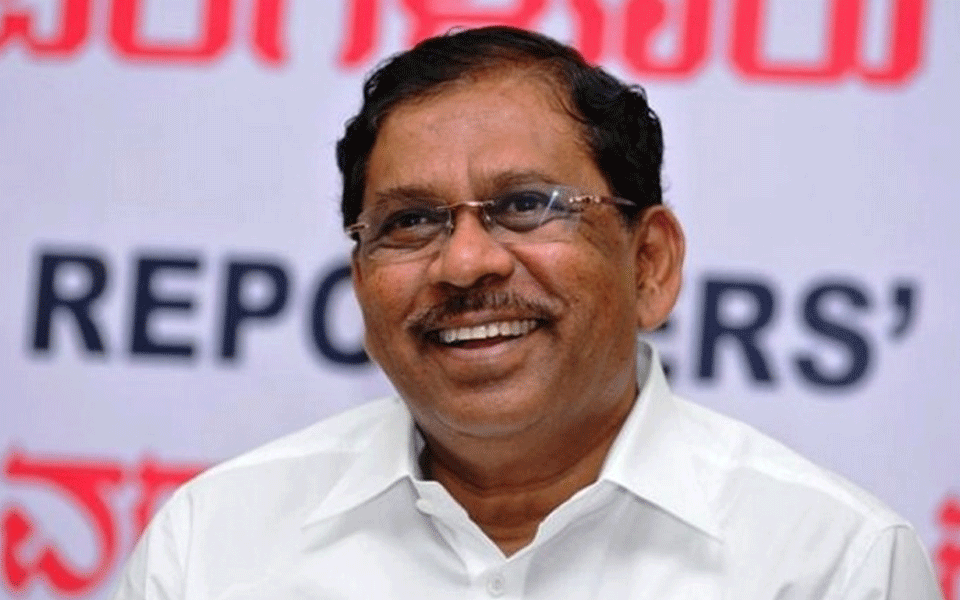
Bengaluru, June 10: KPCC president and Deputy Chief Minister Dr G Parameshwar said that the first meeting of the Coordination Committee of the Congress-JDS coalition government would be held under the leadership of Committee chairman and former chief minister Siddaramaiah in the city on June 14.
Speaking to reporters after holding a meeting of the Lok Sabha Members at the KPCC office here on Sunday, Dr Parameshwar said that the priority of the coalition government would be discussed in the first meeting. In the MPs meeting, he has not discussed seat sharing with the JDS for the forthcoming Lok Sabha election. In coming days, both Congress and JDS leaders would discuss the issue, he said.
Remaining six seats in the cabinet would be filled soon. Priority would be given to those who missed the minister posts while appointing the chairman to boards and corporations, he added.
MPs should not be neglected
During the meeting, the Lok Sabha Members, reportedly, expressed their displeasure on cornering them while selecting the candidates for the ministers posts, distribution of portfolios and pacifying the dissidents in the coalition government. Even their opinions are not being considered. Their opinion should be considered while appointing chairmen to boards and corporations and KPCC president, they demanded.
Responding to their demand, Parameshwar said that he would bring this to the notice of the party high command.
Kharge absent
Congress leader in the Lok Sabha, Mallikarjun Kharge, Tumakuru MP SP Muddahanumegowda, Raichur MP BV Naik and Chitradurga MP BN Chandrappa were absent from the meeting. Lok Sabha Members DK Suresh, Prakash Hukkeri, Dr M Veerappa Moily, KH Muniyappa, Rajya Sabha Members Prof Rajiv Gowda, Dr L Hanumanthaiah, BK Hariprasad, KC Ramamurthy, Dr Syed Nasir Hussain, and Chandrashekar were present at the meeting.
Let the Truth be known. If you read VB and like VB, please be a VB Supporter and Help us deliver the Truth to one and all.
Power tariffs under BESCOM to rise from May 1
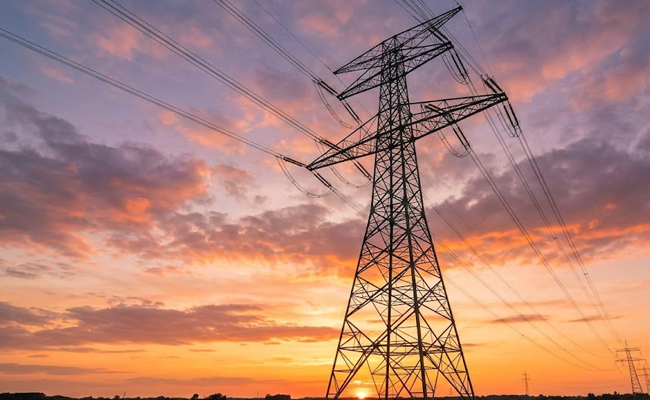
Bengaluru (PTI): Power bills for consumers under the Bangalore Electricity Supply Company Limited (BESCOM) will go up from May 1, following an order issued by the Karnataka Electricity Regulatory Commission (KERC) on Friday.
The hike comes after KERC allowed the BESCOM to recover a revenue deficit of Rs 2,068 crore incurred in 2024-25, from the consumers.
As a result, for every unit of electricity consumed in 2024-25, the customers will be charged an additional 56 paise, it said.
"BESCOM shall calculate, for each of the active consumers of FY2024-25 the amount to be recovered based on their actual energy consumption during FY2024-25. Such amount shall be recovered during FY 2026-27 in equal monthly instalments, to be called as 'FY25 True up Charges', commencing from the first meter reading date falling on or after 1 May 2026 and concluding with the reading date ending on 30 April 2027," the order said.
"It is further ordered that BESCOM shall maintain a separate head of account, allocated for the purpose, to record the adjustment of the said amount to ensure full recovery of the deficit," it added.
Similarly Chamundeshwari Electricity Supply Corporation Limited (CESC) has also recorded a revenue deficit of Rs 121.71 crore and can collect an additional 15 paisa per unit for consumption in 2024-25, official sources said.