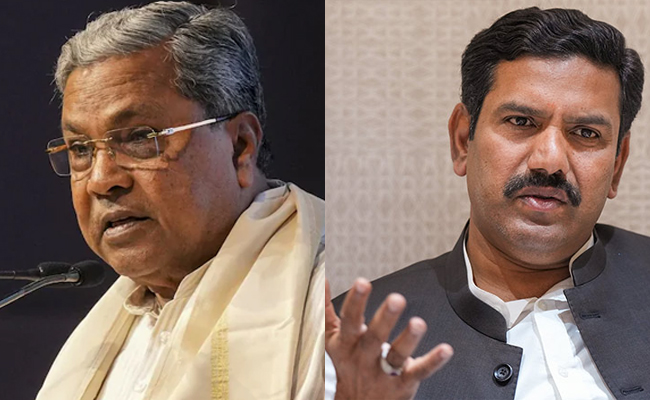
Former CM Siddaramaiah compares BSY govt to 'Dakota bus'
'Yediyurappa govt is 'dead', has to be removed'
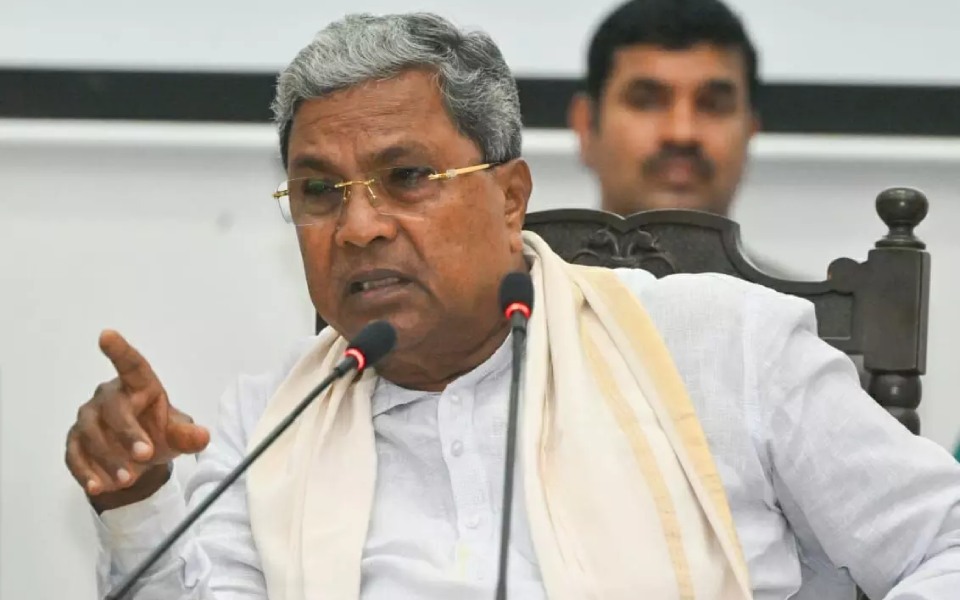
Bengaluru, Feb 25: Senior Congress leader Siddaramaiah on Thursday alleged the B S Yediyurappa Ministry in Karnataka was the "worst government" he had seen his political life and it has to be removed.
The leader of the opposition in the state assembly, who has been hitting out at the government over various issues, also said there was no government in the state as it was "totally dead".
"There is no government in Karnataka today, there is some kind of anarchy. There is no government at all, the government is totally dead," he claimed.
Speaking at a party meeting here, the former chief minister alleged no development activities were taking place in the state because of this.
"Not even one paisa of work is happening....if you ask for funds, they (government) say because of corona there is no money," he said.
For measures to tackle the pandemic they have taken a loan of Rs 36,000 crore. "They might have spent Rs 6,000 crore or 7,000 crore on corona, 50 per cent of which or even more they have swallowed (pocketed)," he alleged.
Siddaramaiah compared Chief Minister B S Yediyurappa-led BJP government, comparing it to a "Dakota bus".
He urged Congress workers and Sharath Bachegowda, an independent MLA from Hoskote, who extended support to the party on Thursday along with his followers, to sharply oppose what he called anti-people policies of the BJP government.
Let the Truth be known. If you read VB and like VB, please be a VB Supporter and Help us deliver the Truth to one and all.
Kerala CM Vijayan urges PM Modi to withdraw FCRA amendment provisions
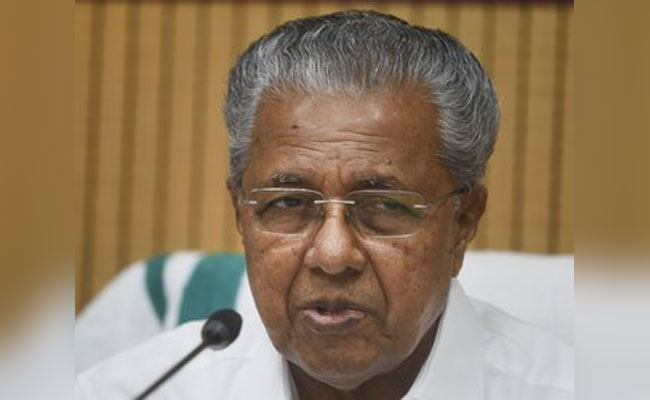
Thiruvananthapuram (PTI): Kerala Chief Minister Pinarayi Vijayan has expressed concerns over certain provisions in the proposed FCRA Bill and sought Prime Minister Narendra Modi’s intervention to withdraw them.
In a letter to Modi, Vijayan said the Foreign Contribution (Regulation) Amendment Bill, 2026, introduced in the Lok Sabha on March 25, has sparked concern among various sections of society, particularly minority communities.
A copy of the letter, sent on Sunday, was shared on his Facebook page on Monday.
In the letter, Vijayan noted that a perusal of the bill’s clauses indicates that powers have been granted to authorities to take over assets even for technical omissions.
“The apprehension is that granting such sweeping powers to authorities could lead to arbitrary exercise, and such concerns cannot be dismissed as baseless,” he said.
The chief minister pointed out that the existing law already provides sufficient powers to deal with misuse by entities permitted to receive foreign contributions.
He further said the amendment proposes enabling the takeover of assets, including places of worship and charitable organisations, even in cases involving technical issues such as violations of time limits.
Vijayan warned that the provisions could adversely affect institutions engaged in selfless service in areas such as education, healthcare, and the welfare of the poor and marginalised, even in the absence of significant lapses.
Stating that the issue has triggered concerns among religious groups and minority communities, the CM urged the prime minister to intervene in the matter at the earliest.
He also urged the PM to take steps to withdraw the provisions related to the takeover of assets in the amendment bill, noting that the existing Act has adequate safeguards to address violations.
The chief minister wrote to Modi at a time when reports about the proposed provisions in the FCRA Bill had triggered widespread reactions among political parties and various church denominations in poll-bound Kerala.