Further action on ACB dissolution based on BJP manifesto: CM Bommai
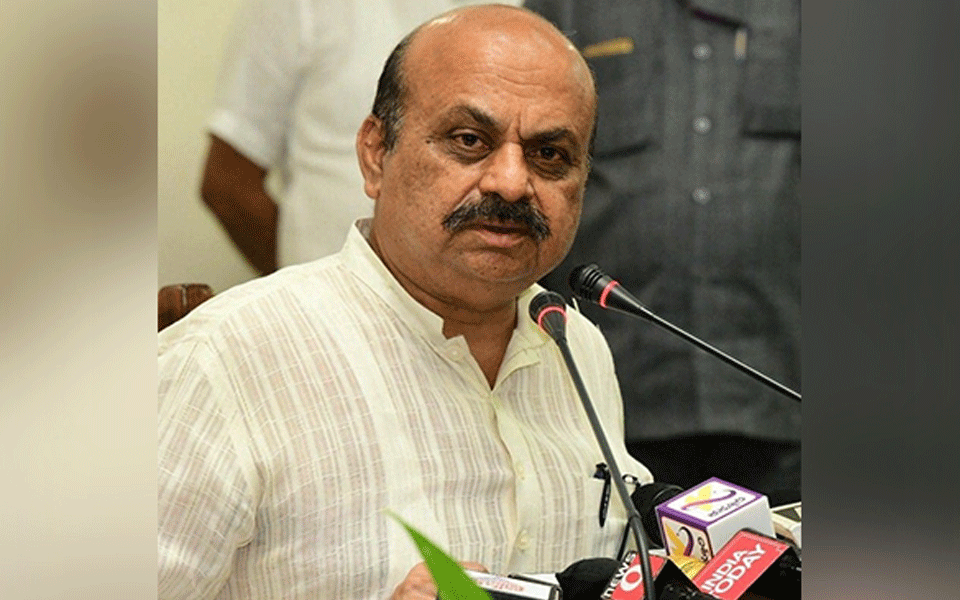
Bengaluru(PTI): Karnataka Chief Minister Basavaraj Bommai on Friday said the state government's further action following the High Court's decision to abolish the Anti-Corruption Bureau (ACB) and restore the powers of the Lokayukta police wing, will be on the basis of BJP's 2018 manifesto.
BJP in its poll manifesto had promised to scrap the ACB, which was formed by the then Congress government headed by Siddaramaiah in 2016.
"Yesterday the High Court gave its decision regarding the ACB. Keeping our party manifesto in mind, we will discuss in the Cabinet today, taking view of the instructions given in the court's order copy," Bommai said ahead of the cabinet meeting.
Speaking to reporters here, he said, "We will take further action on this, on the basis of our party manifesto."
The judgement of the Division Bench of Justice B Veerappa and Justice K S Hemalekha came on a petition challenging the ACB's formation and the subsequent March 16, 2016 government order withdrawing the powers of the Lokayukta police from registering and investigating into cases under the Prevention of Corruption Act.
The formation of the ACB through an "executive order" is not justified and Constitutional, the judgement said. With this, the ACB stands abolished.
All cases pending before the ACB would now be transferred to the Lokayukta police wing, the HC said, adding that however, the actions taken by ACB so far would stand.
The two 2016 notifications of the government were challenged in a bunch of petitions by various petitioners, including the Advocates Association, Bengaluru, Chidananda Urs and 'Samaja Parivartana Samudaya'.
Let the Truth be known. If you read VB and like VB, please be a VB Supporter and Help us deliver the Truth to one and all.
Biker injured, leopard dies in road accident near forest area in Shivamogga
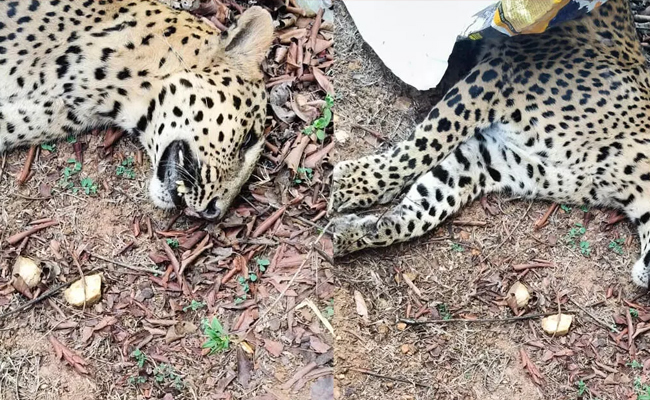
Shivamogga: A leopard was killed after being hit by a motorcycle near Mandagadde in Thirthahalli taluk of Shivamogga district.
According to reports, the biker was travelling from Shivamogga towards Thirthahalli when the leopard suddenly came onto the road from a nearby forest area near Mandagadde. The rider is said to have lost control of the bike and crashed into the animal.
The leopard suffered severe injuries in the impact and died on the spot. The biker also fell onto the road along with the motorcycle and sustained serious injuries. He was shifted to a hospital in Shivamogga for further treatment.
After receiving information about the incident, forest department officials, including Gajanur RFO Vinay Kumar, visited the spot and conducted an inspection.