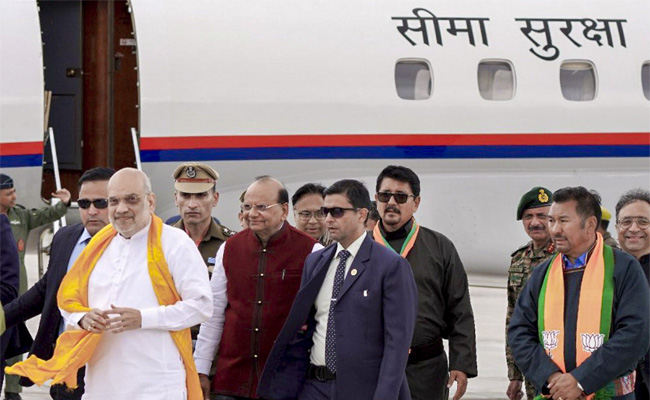
Gauri Lankesh's sister to oppose CBI probe
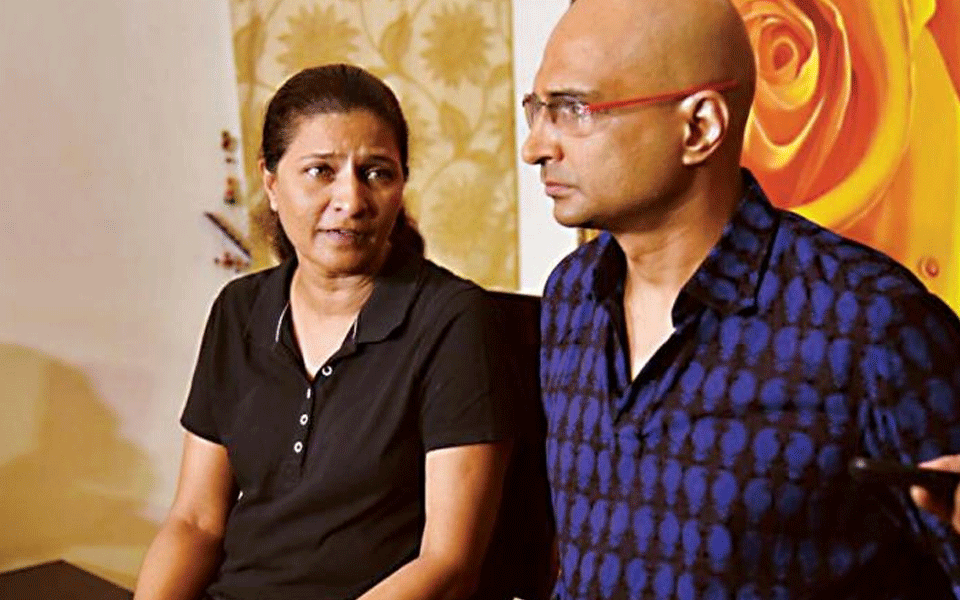
Bengaluru, Dec 27 : Slain journalist-activist Gauri Lankesh'ssister Kavitha Lankesh Thursday came out against any move to handover the probe in the case to the CBI, saying the Special Investigation Team of the Karnataka police had made a lot of progress, arresting 16 suspects.
Kavitha said if the state government agreed to the CBI probe, she would seek to implead herself in the matter in the Supreme Court and oppose it.
Her comments come in the backdrop of the apex court recently favouring CBI probe into the murders of Gauri Lankesh, rationalist M M Kalburgi and social activist Govind Pansare if there was a "common thread" in these incidents which occurred over the last five years.
"The SIT led by IG B K Singh and investigation officer M N Anucheth did a brilliant work byarresting the accused in the case. It filed two charge sheetsalso. When there is so much headway, it does not make anysense to hand over the case to CBI," she told PTI here.
However, Kalburgi's son Sreevijaya said he was having faith in judiciary and whatever it did will be in the best interest of his family.
"We will go by whatever judiciary feels good. At the end of the day we want justice in the case," he said.
On December 11, a bench of justices U U Lalit and Navin Sinha of the Supreme Court had asked the CBI, already probing the killing of social activist Narendra Dabholkar, to inform it by January first week whether it would like to investigate the three other cases also.
It observed that one probe agency should investigate all the four cases, if prima facie it appears that there is a "common thread" in the murders.
Earlier, the Karnataka police in its status report told the top court that there appears to be an "intimate connection" between the murders of Kalburgi in 2015 and Gauri Lankesh in 2017.
Gauri Lankesh was shot dead in front of her house here on September 5, 2017 and the SIT has so far arrested 16 people for their alleged involvement in the killing while two others are still at large.
Some of the people arrested in the case are allegedly linked to Sanatan Sanstha and its allied outfit Hindu Janajagruti Samiti.
Let the Truth be known. If you read VB and like VB, please be a VB Supporter and Help us deliver the Truth to one and all.
Commercial LPG price hiked by Rs 993 per 19-kg cylinder
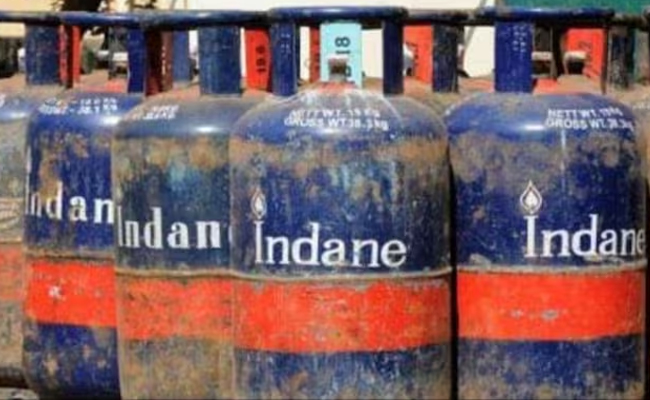
New Delhi (PTI): The price of commercial LPG was hiked by the steepest ever Rs 993 per 19-kg cylinder on Friday, marking the third straight monthly increase due to rising global energy prices linked to the West Asia conflict.
A 19-kg commercial LPG - used by establishments such as hotels and restaurtants - now costs a record Rs 3,071.5 in Delhi as against Rs 2,078.50 previously.
Rates were last increased by 195.50 per cylinder on April 1. Prior to that, prices had gone up by Rs 114.5 per 19-kg cylinder on March 1.
In three increases, commercial LPG rates have gone up by Rs 1,303.
Prices of domestic cooking gas LPG - the one used in household kitchens - remained unchanged. Domestic LPG rates were last hiked by Rs 60 per 14.2-kg cylinder on March 7. It costs Rs 913 per 14.2-kg cylinder in Delhi.
State-owned Indian Oil Corporation, Bharat Petroleum, and Hindustan Petroleum revise ATF and LPG prices on the first day of every month based on international benchmarks and the exchange rate.
Global oil prices have shot up almost 50 per cent after the war in West Asia disrupted energy supply chains.
Petrol and diesel prices continue to remain frozen after a Rs 2 per-litre reduction in March last year; petrol currently costs Rs 94.72 per litre in Delhi and diesel Rs 87.62.