
Give priority to 'absolutely blind' candidates over 'low vision' ones in jobs, says Karnataka HC
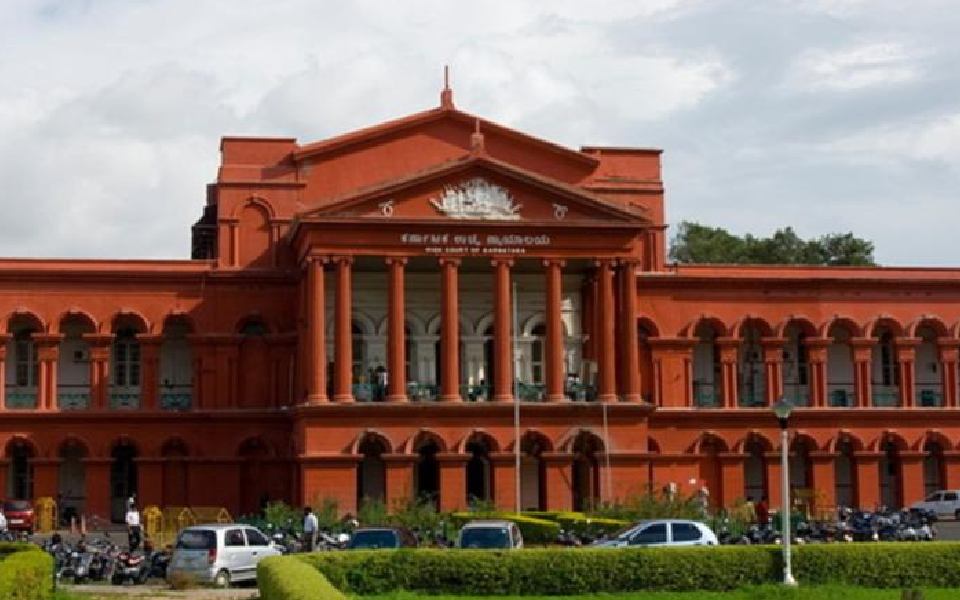
Bengaluru: The Karnataka High Court has emphasised that individuals with "absolute blindness" should be given preference over those with "low vision" in employment opportunities, provided their disability does not hinder their ability to perform duties.
The Karnataka High Court has emphasised that individuals with "absolute blindness" should be given preference over those with "low vision" in employment opportunities, provided their disability does not hinder their ability to perform duties.
The case revolves around H N Latha, a blind candidate from the Scheduled Caste community in Periyapatna taluk, Mysuru district. Latha had applied for the position of Kannada and social studies teacher at a government primary school in 2022. Her name was included in the selection list released on March 8, 2023.
However, on July 4, 2023, her application was rejected, prompting her to challenge the decision before KSAT. The tribunal ruled in her favor, awarding her ₹10,000 in costs and instructing the appointing authority to reconsider her application within three months.
The Department of School Education contested this decision, arguing that reservations for candidates with "low vision" and those with "absolute blindness" should be treated as separate categories. The department claimed that the tribunal had overlooked this distinction.
Upon reviewing the case, the High Court bench disagreed with the department's stance. The judges noted that while there might be concerns about a completely blind individual handling the responsibilities of a graduate primary teacher, particularly in subjects like social studies and Kannada, such arguments were unconvincing given that the candidate met the educational requirements for the role.
The court highlighted the positive attributes often seen in individuals with blindness, such as adaptability, resilience, strong memory, heightened senses, and excellent coping skills. The bench cited notable historical figures who achieved great success despite being blind, including Homer, John Milton, Louis Braille, Helen Keller, and Srikanth Bolla, the CEO of Bollant Industries.
The court concluded that the education department should have either set aside specific posts for candidates with absolute blindness or allowed them to compete alongside low-vision candidates for available positions.
Upholding the tribunal's directive, the court underscored the need for inclusive hiring practices that recognise the capabilities of blind candidates.
Let the Truth be known. If you read VB and like VB, please be a VB Supporter and Help us deliver the Truth to one and all.
Dear Vaibhav, well done: Kohli''s message after Sooryavanshi blitz against RCB
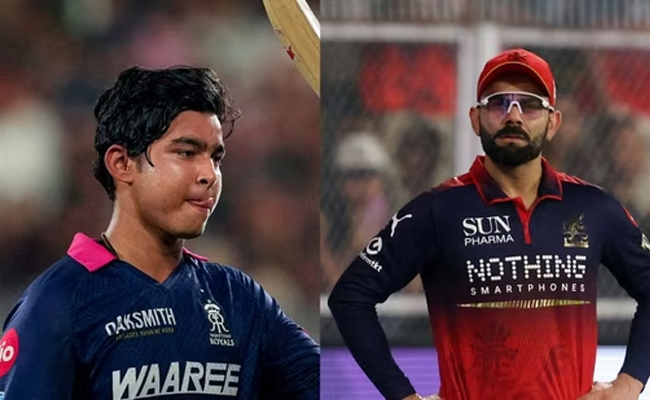
Guwahati (PTI): For a young cricketer, a few words of praise from superstar Virat Kohli can feel like a standing ovation, and Vaibhav Sooryavanshi had his moment after yet another breathtaking performance in the IPL.
The 15-year-old continues to carve a fearless reputation, taking on the best with remarkable ease. Fresh from unsettling Jasprit Bumrah, he went after Australian quick Josh Hazlewood, smashing a stunning 78 off just 26 balls to steer Rajasthan Royals to a comfortable six-wicket win over Royal Challengers Bengaluru here on Friday.
After the match, Kohli signed the youngster’s cap and left a simple but special message: “Dear Vaibhav, well done.”
The innings also propelled Sooryavanshi to the top of the run charts this season, earning him the Orange Cap.
Rajasthan Royals stayed unbeaten with four wins in as many games, while the defending champions suffered their first loss of the campaign.
_vb_08.jpeg)
_vb_13.jpeg)
_vb_70.jpeg)