Govt Doctor's suicide: FIR against Mysuru Zilla Panchayat CEO; doctors go on strike
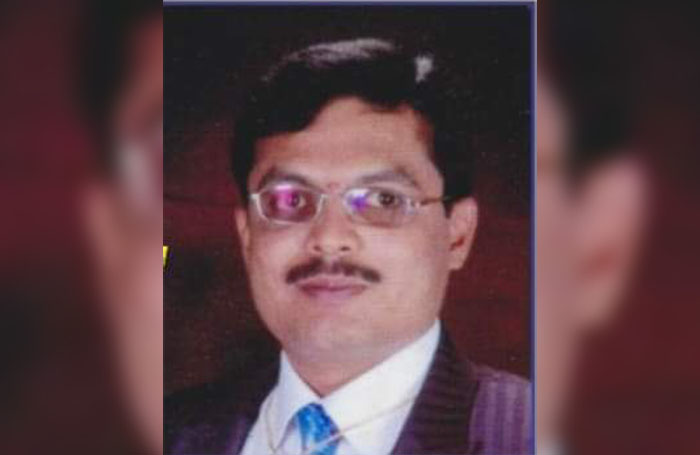
Bengaluru: An FIR has been registered against the CEO of Mysore Zilla Panchayat for allegedly abetting the suicide of a government doctor on COVID-19 duty in Mysuru district, even as doctors in that city began a strike on Saturday, demanding action against those responsible for it.
Police said an FIR has been registered against Prashant Kumar Mishra under Section 306 of the IPC, relating to the death by suicide of Nanjangud Taluk Health Officer Dr S R Nagendra on the night of August 20.
They said the case was registered on a complaint from Dr Nagendra's father Ramakrishna that the CEO had set additional targets for his son, who had been doing extra COVID-19 related work since January, and threatened to book him under the National Disaster Management Act if he did not meet it.
Nagendra had also approached his higher-ups to supply essential materials, but to no avail, his father said. He alleged that due to this stress brought on by the CEO, his son committed suicide on the intervening of August 19 and August 20 by hanging himself.
In Mysuru, government doctors began a sit in demonstration on Saturday, demanding stringent action against those responsible for Nagendra's death.
Taking note of their protest, Medical Education Minister Dr K Sudhakar appealed to them to go back to work in view of the COVID-19 pandemic.
"Everybody has the right to protest in a democracy, but do not put the patients in trouble by protesting during the coronavirus time. Please proceed to live up to peoples belief of "Vaidyo Narayano Harihi (Doctors are God)," Sudhakar tweeted.
He pointed out that the state government has already ordered an inquiry into the death of the doctor and such protests would do no good.
The Indian Medical Association too expressed its anger over the doctor's death. In a letter to the Chief Minister, the IMA national president Dr Rajan Sharma and secretary general Dr R V Asokan said the doctors in Karnataka are extremely disturbed over the incident, "which is only the tip of the iceberg."
"Due to the constraints of the epidemic, IMA has channelised the anger of the medical profession into two days of black badge protest and a night of candlelight vigil, they said. They said the doctors' "soft approach" of protest was entirely consistent with the dignity of the profession and the burden of national duty.
"By no stretch of imagination should it be construed as a weakness. It should be appreciated that the medical profession is in charge of the entire situation, be it in the Government sector or the private sector," they stated.
Police had said on August 20 that Dr Nagendra was found hanging at his quarters in Alanahalli where he had been staying alone.
Nagendra's family was residing in another area in Mysuru district and he chose to stay alone out of fear of contracting the virus and spreading it, they had said.
Let the Truth be known. If you read VB and like VB, please be a VB Supporter and Help us deliver the Truth to one and all.
Congress using hijab issue to pacify minority anger, alleges Karnataka LoP R Ashoka
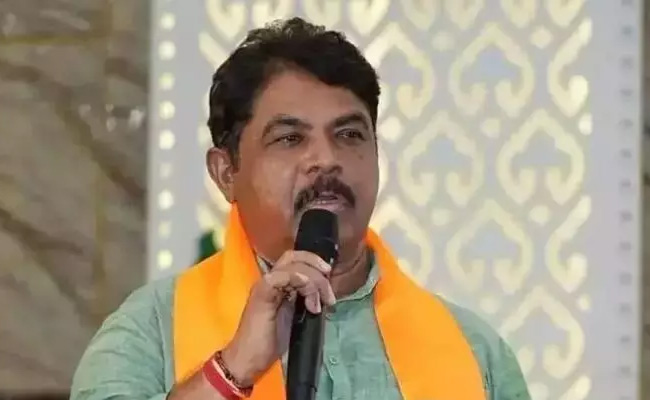
Bengaluru: Leader of Opposition in the Assembly R. Ashoka has accused the Congress government of using the hijab issue to placate what he described as discontent among minority voters after the Davanagere by-election.
In a post on X on Wednesday, Ashoka alleged that the state government, instead of addressing issues such as price rise, corruption, farmers’ distress and law and order, was attempting to retain its minority vote base by reviving the hijab issue.
Referring to the 2022 dress code introduced by the BJP government, which prohibited hijab in schools and colleges, Ashoka said the Karnataka High Court had upheld the policy and emphasised the importance of discipline in educational institutions.
He questioned the Congress government’s move to revisit the issue and asked whether setting aside the court-backed policy to benefit one community could be described as secularism.
Ashoka further alleged that while the government was willing to permit hijab, it continued to prohibit saffron shawls.
He accused the government of dividing students on religious lines rather than treating schools and colleges as spaces of equality.
Drawing a comparison with Mamata Banerjee’s government in West Bengal, Ashoka claimed that excessive appeasement politics had harmed the state and warned that the Congress in Karnataka could face a similar political response.
He said voters in Karnataka would teach the Congress a lesson for what he termed “vote-bank politics” and for compromising constitutional and judicial principles.