Govt First Grade Colleges in Karnataka to be De-Bonded desktop computers
Bengaluru, Feb 26: The government first-grade colleges in Karnataka will be provided with 12,500 De-Bonded desktop computers as part of the Help Educate, a public- private initiative taken up by the Department of Collegiate and Technical Education (DCTE), officials said.
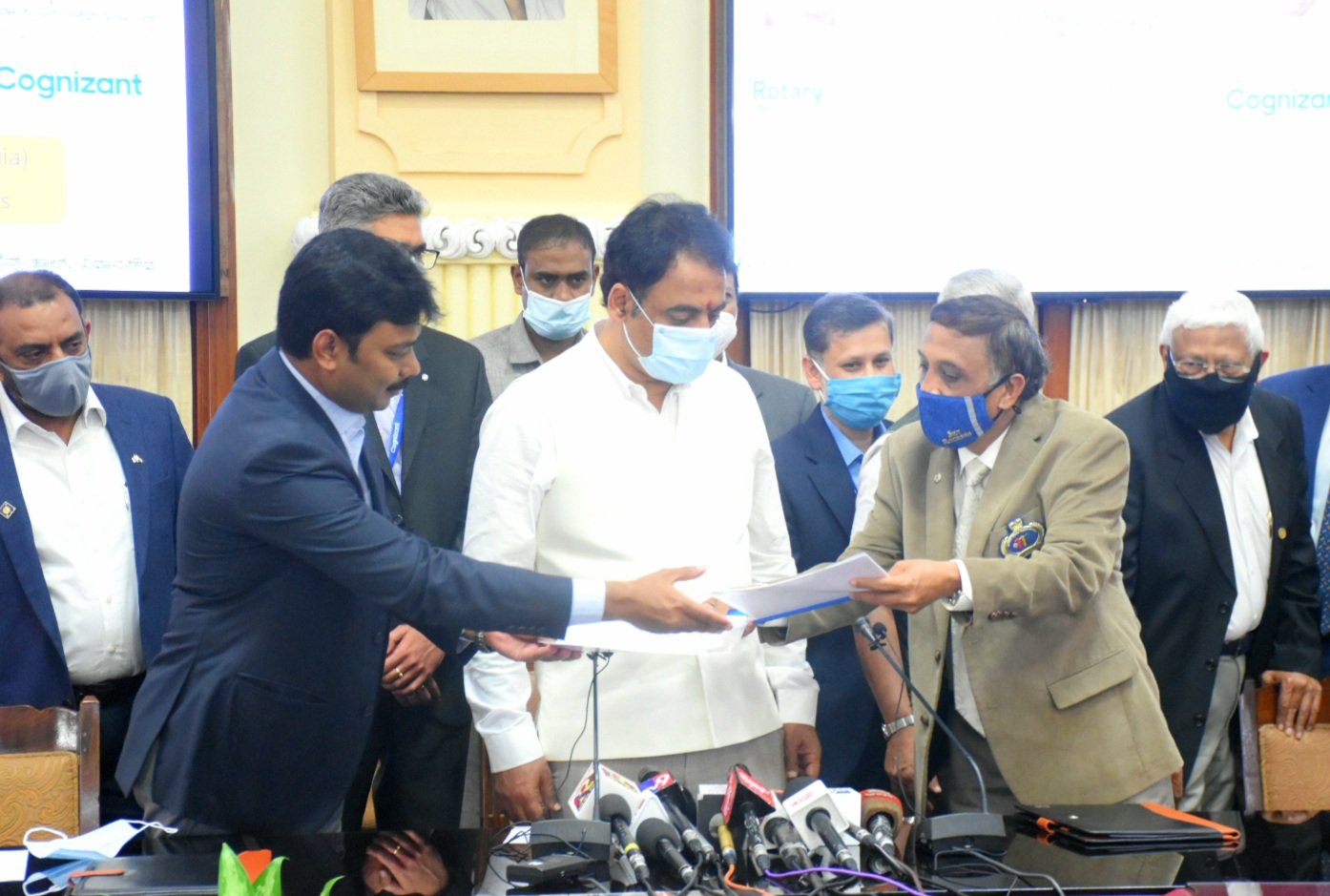
A memorandum of understanding (MoU) was signed on Friday by the DCTE, Cognizant Technology Solutions India Pvt Ltd and the Rotary Club, the office of Deputy Chief Minister C N Ashwath Narayan, who holds the Higher Education portfolio, said.
The initiative has the prime objective of facilitating the learning of students of Government First Grade Colleges and making a difference in the learning of students, most of whom hail from a socio-economically marginalised background, it said.
Under the Help Educate initiative, the DCTE has been partnering with MNCs and philanthropists to educate and train students for employment, train professors in modern methodology through faculty development programmes and digital teaching.
It would also equip government colleges with digital assets to adopt digital learning which is both a recent trend and also an inviolable necessity of times.
As part of the initiative, Cognizant has volunteered to provide 12,500 de-bonded Desktop Computers which would be distributed among the colleges to establish computer Labs for the use of students, the release said.
The Rotary Club, Bangalore has offered to install Windows OS and Office 365 and transport and install these Desktops to respective destinations, it said.
ಉನ್ನತ ಶಿಕ್ಷಣ ಇಲಾಖೆ ವತಿಯಿಂದ @Cognizant ಹಾಗೂ @rotary_india ಸಹಭಾಗಿತ್ವದಲ್ಲಿ 'Help Educate' ಎಂಬ ಉಪಕ್ರಮವನ್ನು ಕಾರ್ಯಗತಗೊಳಿಸಲಾಗುತ್ತಿದೆ.
— Dr. Ashwathnarayan C. N. (@drashwathcn) February 26, 2021
ಡಿಜಿಟಲ್ ಕಲಿಕೆಯ ಈ ಯುಗದಲ್ಲಿ, ಕಾಲೇಜುಗಳ ಮೂಲಸೌಕರ್ಯ ವೃದ್ಧಿಸಲು ನೆರವಾಗುವಂತೆ ಸರ್ಕಾರಿ ಪದವಿ ಕಾಲೇಜುಗಳಿಗೆ 12500 De-bonded Computer ಗಳನ್ನು ನೀಡಲಾಗುತ್ತಿದೆ.
1/2 pic.twitter.com/iN1rMUgBxB
ಸರ್ಕಾರದ ಈ ಮಹತ್ವಾಕಾಂಕ್ಷೆ ಯೋಜನೆಯ ಅನುಷ್ಠಾನಕ್ಕೆ ನೆರವಾಗುತ್ತಿರುವ @rotary_india, @Cognizant ಸಂಸ್ಥೆಗಳಿಗೆ ಹೃತ್ಪೂರ್ವಕ ಕೃತಜ್ಞತೆಗಳು.
— Dr. Ashwathnarayan C. N. (@drashwathcn) February 26, 2021
ಗ್ರಾಮೀಣ ಪ್ರದೇಶಗಳಲ್ಲಿ 'ಡಿಜಿಟಲ್ ಅಂತರ'ದ ಕಾರಣಕ್ಕಾಗಿ ಉತ್ತಮ ಗುಣಮಟ್ಟದ ಶಿಕ್ಷಣಕ್ಕೆ ತೊಡಕಾಗದಿರಲಿ ಎಂಬುದು ಈ ಉಪಕ್ರಮದ ಸದುದ್ದೇಶವಾಗಿದೆ.@CMofKarnataka @KarnatakaVarthe
2/2
Let the Truth be known. If you read VB and like VB, please be a VB Supporter and Help us deliver the Truth to one and all.
36 injured as private bus plunges off bridge in Karnataka’s Shivamogga
Shivamogga (Karnataka) (PTI): Thirty-six people were injured on Monday after a private bus allegedly went out of control and plunged off a bridge in the district, police said.
The incident occurred at around 1.30 pm near Kagehalla in Veerapura village of Bhadravati taluk, they said.
According to police, the bus was travelling from Channagiri in Davanagere district to Bhadravati when the driver allegedly lost control of the vehicle near a bridge across a stream.
The bus hit the bridge’s side barrier and overturned into the stream below, which had a very low water level.
A total of 36 people, including the driver and conductor, were injured in the accident, a senior police officer said.
Of them, 25 sustained minor injuries and were shifted to a nearby hospital for treatment, he added.
A case has been registered at the Bhadravati Rural police station, and further investigation is underway, police said.