Green flag for Traffic Health Unit that provides medical services at doorstep of tribal people
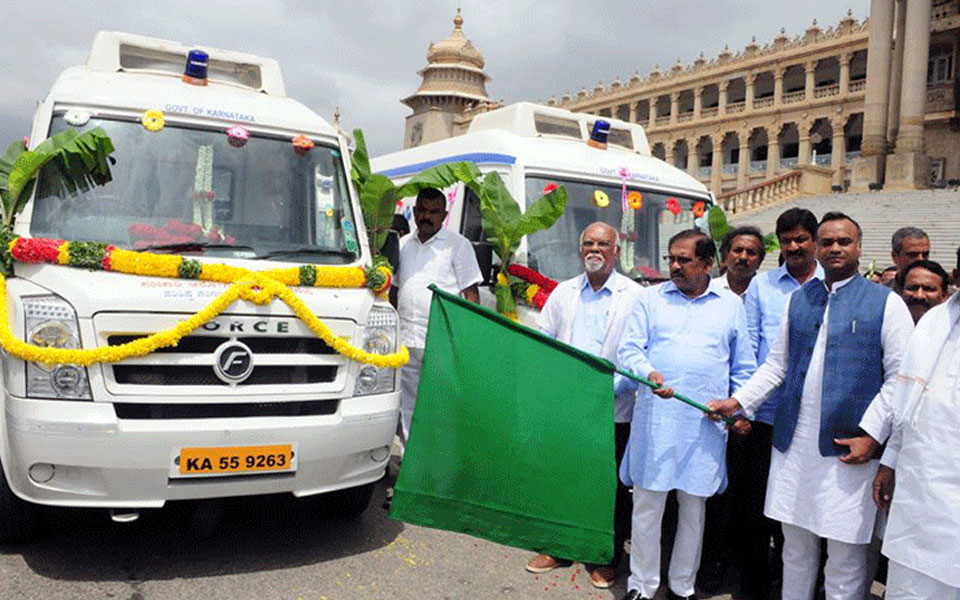
Bengaluru: A new scheme that provides medical facilities at the doorstep of forest-dependent tribal people who are residing in rural and forest areas was launched by the Tribal Welfare Department in the city today.
Speaking after inaugurating, Deputy chief minister Dr. G Parameshwar said, 16 medical units at the cost of Rs. 8 crore have been set up. The Scheduled tribes such as Jenu Kuruba, Koraga, and forest dependents are residing in eight districts of the state. Two medical units will be operating in every such district.
In the first phase, the service of Traffic Health Unit will begin in Somwarpet, Virajpet, and Madikeri Taluks; Periyapatna, Hegde Devanakote and Hunsur Taluks in Mysuru district; Kollegal, Chamarajanagar, Yalanduru and Gundlupete taluks in Chamarajnagar.
In the second phase, the remaining eight traffic units will begin their services in Bantwal and Puttur Taluk in Dakshina Kannada district; Kundapur and Udupi taluks in Udupi district; Moodigere and Tarikere Taluks in Chikmagalur district, Shikaripura Taluk in Shimoga district and Haliyal taluk of Uttara Kannada district.
“This scheme reflects the commitment our government has towards the tribal communities who have been deprived of the emergency treatments,” Deputy Chief Minister Dr. G Parameshwar said.
This project is being implemented in association with the Belagavi United Social Welfare Organization. There will be a doctor and a nurse in this health unit that will visit two villages every day.
Let the Truth be known. If you read VB and like VB, please be a VB Supporter and Help us deliver the Truth to one and all.
Two arrested in K'taka for assaulting minors, uploading CSAM content
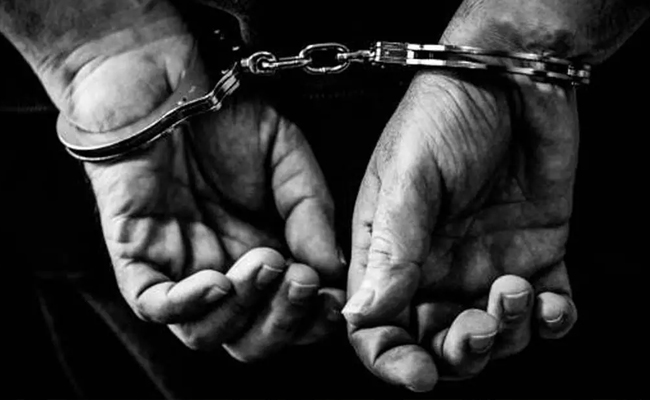
Bengaluru (PTI): Two men were arrested for allegedly sexually assaulting two minor girls, recording the acts on mobile phones and uploading the videos online as child sexual abuse material, police said on Thursday.
The accused have been identified as Kiran Kumar (29), hailing from Chitradurga district, and Aditya M K (20), hailing from Shivamogga district, they said.
A probe was initiated after information was received from the NCRP portal regarding a suspected instance of creation of Child Sexual Abuse Material (CSAM) for online dissemination, police said.
Accordingly, a case was registered at Kaggalipura Police Station under relevant sections of the IT Act on May 10, they added.
Investigation revealed that two minor girl victims were exploited and videos were created and uploaded to the internet. The child victims have subsequently recorded their statements as per procedure and further necessary legal steps have been taken, Pronab Mohanty Director General of Police, Cyber Command, said in a statement.
Based on the statements of the victims, the accused persons, who allegedly assaulted the minors, recorded the acts on mobile phones and uploaded the videos online, were arrested, he said.
Following the probe, sections 65(2) (rape) and 70 (gangrape) of the Bharatiya Nyaya Sanhita, along with relevant sections of the POCSO Act, have been added to the FIR, police said.
Officials collected relevant information and on May 12, arrested the accused persons and seized three mobile phones belonging to them, in which the videos had allegedly been recorded, he said.
The accused were later produced before the court and taken into police custody for further investigation, he added.
According to him, in CSAM cases, police usually apprehend offenders who have downloaded such content or have kept them in their possession after obtaining them from elsewhere, usually the internet.
"The present case is one of the very few instances where content creators and uploaders have been apprehended," Mohanty added.