HC directs State to consider private transporters’ plea to include their buses under Shakti Scheme
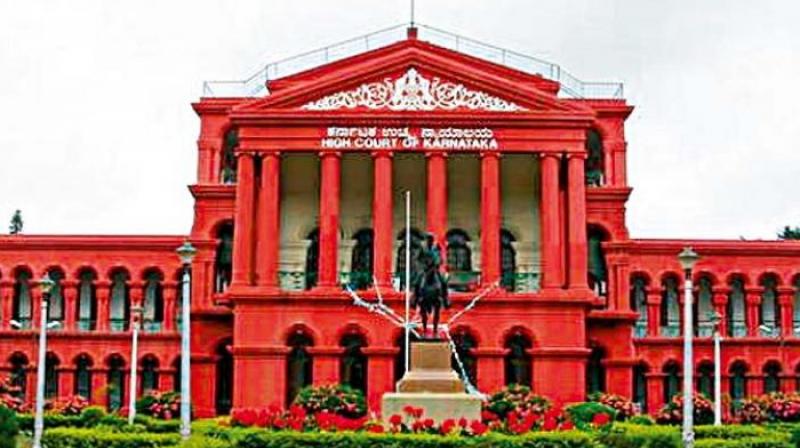
Bengaluru: The High Court of Karnataka on Friday directed the state government to consider, within two months, a plea by private transport firms to extend the Shakti Scheme offering free bus travel for women to their buses as well.
The single judge bench of Justice S R Krishna Kumar disposed of a petition filed by private bus operators in Udupi district who had made such a plea.
The petition said the Shakti Yojane “can be extended to private stage carriage operators also”, and a representation in this regard was made to the chief minister and deputy chief minister and other ministers but there has been no positive outcome.
ALSO READ: Man jumps in front of train at Jalahalli Metro station, under treatment for severe head injuries
The petition claimed that private operators run services in mountainous and hilly areas and valleys, which are not otherwise easily accessible, as some of these routes do not have KSRTC bus services.
“Although the cost of running a state carriage bus is very high, the private operators are providing good services to the passengers at large on different routes throughout Karnataka and even in a number of routes where there are no KSRTC buses,” the court was informed.
The petition claimed that after the launch of the free bus services for women in state transport buses, private operators are suffering losses.
“Within two days (after) the Shakti Yojane came into effect from 11.6.2023, private operators are heavily and severely facing loss without any passengers, and the services which are in operation for more than 50 to 60 years on the route are in question,” the petitioner said.
Let the Truth be known. If you read VB and like VB, please be a VB Supporter and Help us deliver the Truth to one and all.
Karnataka: Three held for murder of Tibetan man in Dharwad district
Dharwad (Karnataka) (PTI): Three people were arrested on Monday in connection with the murder of a Tibetan man in this district, police said on Monday.
Tashi Dhondup (39), a Buddhist monk and resident of Mundagod, was found dead near Haliyal Bridge on the Dharwad bypass on April 29, they said.
Police said the body bore injury marks on the face, indicating foul play.
Upon receiving information about an unidentified body within the limits of Dharwad Rural Police Station, a highway patrol team and emergency services rushed to the spot and alerted senior officials.
Following inspection and identification of the deceased, a case of murder was registered the same day based on visible injuries and findings from the scene of crime team, a senior police officer said.
Superintendent of Police Gunjan Arya said the motive appears to be “murder for gain”. The accused allegedly demanded money from the victim and assaulted him when he failed to comply, leading to his death.
Three accused, all from Kolhapur district in neighbouring Maharashtra, have been arrested, while efforts are on to nab two others involved in the crime.
Further investigation is underway.