HC issues notices to K'taka govt over punishment for erring civic officials under new BBMP Act
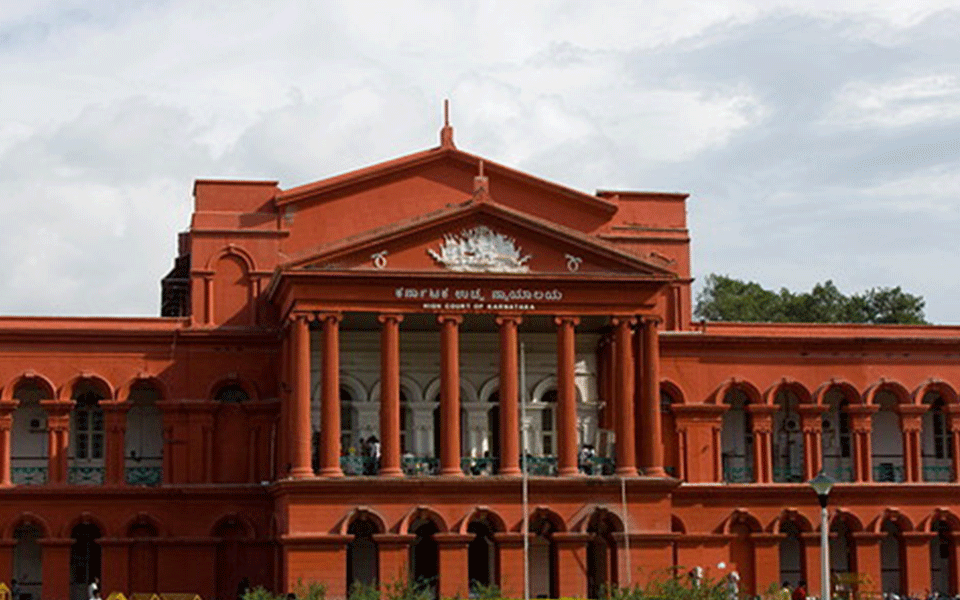
Bengaluru, Aug 10: The Karnataka High Court on Wednesday issued notices to the state government on a public interest litigation (PIL) that seeks prescribing punishment to Bruhat Bengaluru Mahanagara Palike (city corporation) engineers/officials under the new BBMP Act 2020 for failing to prevent illegal and unauthorised constructions.
The division bench of Acting Chief Justice Alok Aradhe and Justice Vishwajith Shetty heard the petition by advocate Umapathi S, which points out that Section 252 of the BBMP Act provides the power to the state government for action against erring officers.
"Though there is delegation of power on the engineers to supervise illegal construction, yet there is no corresponding accountability on the part of erring officials. This is primarily due to the gross negligence on the part of the State to prescribe punishment under Section 252 of the BBMP Act," the petition says.
"Poor implementation will make even the greatest law ineffective. Therefore, the necessary rules should be framed at the earliest," the petition pleads.
Additional Chief Secretary in the Urban Development Department, and the BBMP Chief Commissioner are the respondents in the PIL.
Let the Truth be known. If you read VB and like VB, please be a VB Supporter and Help us deliver the Truth to one and all.
Bengaluru jail introduces biometric tracking system for prisoners
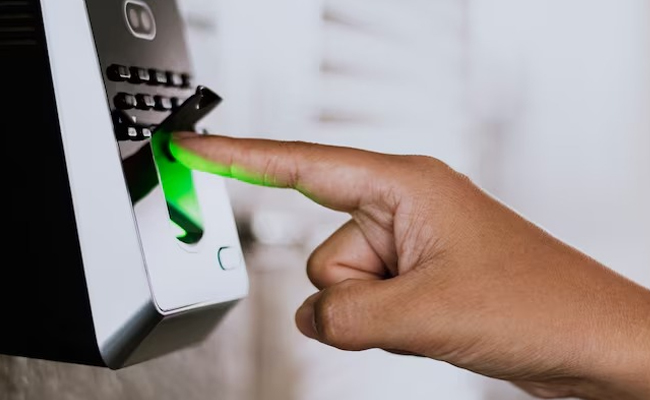
Bengaluru: In a bid to curb misconduct and illegal activities inside Parappana Agrahara Central Prison, prison authorities have introduced a new ‘Prisoners Tracking Movement System’ under which inmates will have to undergo biometric verification while entering every barrack.
According to jail officials, biometric systems have been installed across all major sections of the prison, including barracks, visitor rooms, hospital, canteen, kitchen, library, playground, handicraft units and bakery sections. Staff members have also been deployed at these locations.
Officials said inmates visiting the visitors’ room must now obtain a digital token after biometric verification. Details such as the prisoner’s name, identification number and entry time will be updated in the prison software system. This will help authorities maintain a complete digital record of inmates visiting and returning from meeting rooms.
Similar systems have also been introduced at entry points of the hospital, library and other barracks accessed for work-related purposes. Officials said the system will help identify prisoners involved in suspicious or illegal activities with other inmates and enable authorities to track how much time a prisoner spends at different locations inside the prison.
Authorities stated that AI-powered cameras were already being used inside the prison to monitor inmates as well as prison staff. Along with this, digital tracking of prisoner phone calls and a digital token system for visitor meetings have now been added to strengthen surveillance over inmate movement. Officials said the project has been implemented at a cost of around Rs 2.25 crore.
The prison department has also introduced a canteen usage tracking system to monitor prisoners’ spending patterns. Instead of direct cash payments, inmates can purchase bakery items and snacks using wallets or coupons issued within the prison system.
Officials said the digital system will record details including the buyer’s name, items purchased, quantity, date, time and remaining wallet balance. This will allow prison authorities to maintain complete expenditure records of inmates.