Heart screenings for children made mandatory in Karnataka schools: Health Minister
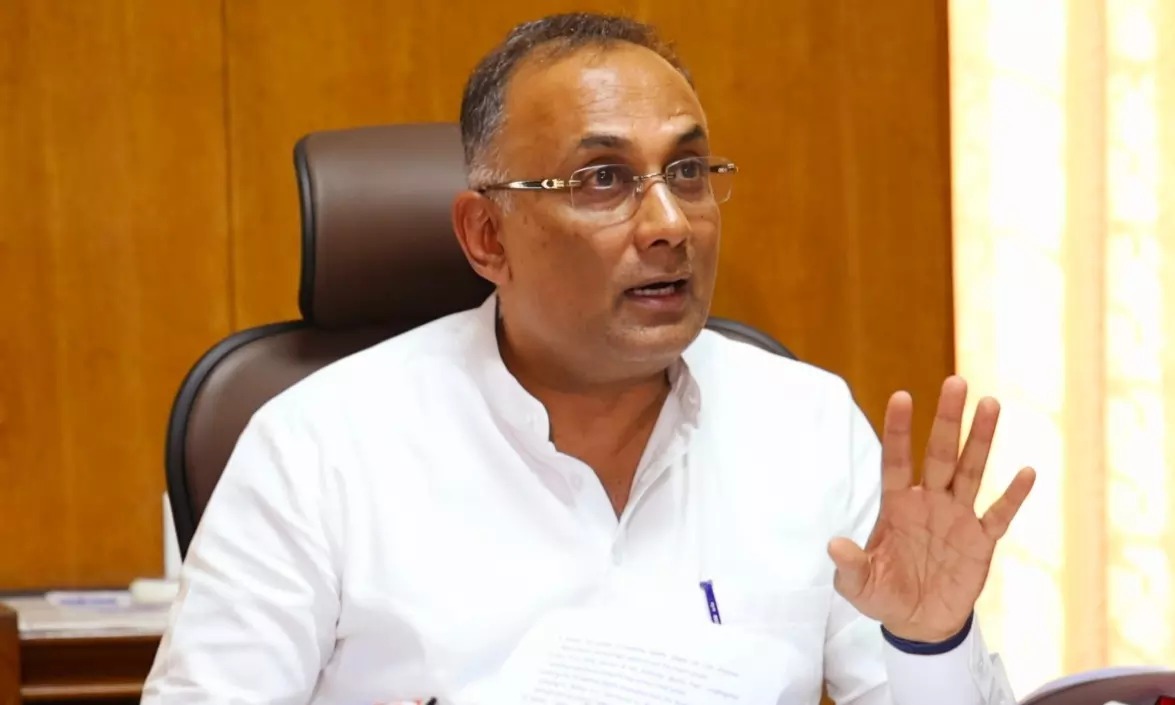
Bengaluru: Karnataka Health Minister Dinesh Gundu Rao on Monday announced that the government will soon classify certain ailments responsible for sudden deaths as ‘notifiable diseases’, while also introducing mandatory heart screenings for children below the age of 15 at the school level.
Speaking to the media at Vidhana Soudha after receiving a report from a committee headed by Dr. Ravindranath, Director of Jayadeva Institute of Cardiovascular Sciences, the minister said the new initiatives aim to detect heart conditions in children early and prevent fatalities.
“As part of this initiative, heart check-ups will be made compulsory for students under 15. This will help identify cardiac conditions at an early stage and provide timely medical intervention,” Rao said.
To spread awareness about heart attacks and non-communicable diseases (NCDs), related content will be included in school textbooks from the next academic year, the minister added. Until then, awareness will be raised through moral education lessons.
Highlighting the increasing number of sudden deaths occurring outside hospitals, Rao said post-mortem examinations will be made compulsory in such cases to determine the exact cause of death. He also announced that Automated External Defibrillators (AEDs) will be installed in public spaces like railway stations and bus terminals to provide immediate response in cardiac emergencies.
The state also plans to implement mandatory annual health check-ups for government employees and contractual workers, the minister said. Similar requirements will be extended to employees of private companies, he added.
“All recommendations made by the expert committee will be discussed with the Chief Minister before taking final decisions,” Rao stated.
Expansion of 'Puneeth Rajkumar Vijayajyoti' Scheme
In another major announcement, the minister confirmed that the Puneeth Rajkumar Vijayajyoti Scheme, which is currently operational in 86 hospitals across the state, will be extended to include taluk-level hospitals. The scheme aims to support timely diagnosis and treatment of critical illnesses.
Let the Truth be known. If you read VB and like VB, please be a VB Supporter and Help us deliver the Truth to one and all.
TN CM Vijay calls fuel price hike ‘unacceptable’, seeks rollback
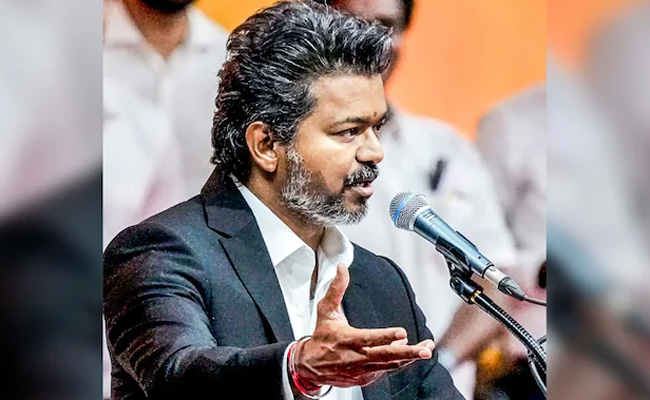
Chennai (PTI): Tamil Nadu Chief Minister C Joseph Vijay on Friday slammed the increase of Rs 3 per litre in petrol and diesel prices, calling it "unacceptable", and demanded its immediate rollback, claiming the revision would affect various sections of society.
He said oil marketing companies do not reduce prices in line with global crude price trends and "take the profits".
"Union government oil marketing companies have increased the price of petrol and diesel by Rs 3 per litre. This is not acceptable," Vijay said in a statement.
The hike has been effected after the "five-state polls" (four states and one union territory), he added.
This price rise will largely affect the income of the poor and middle class using two-wheelers and small vehicles, as well as others dependent on vehicles for their livelihood, the CM said.
It will ultimately result in an increase in the prices of daily commodities and also "affect the purchasing power of the poor," he added.
Citing the chain effect of the price revision, such as increased input costs for small units, he said it could lead to a "slowdown" in the market and exports.
"Therefore, I urge the union government to immediately roll back the price hike that will affect the poor and middle-class people and SMEs," Vijay added.
Global crude oil prices have surged more than 50 per cent since US-Israeli strikes on Iran on February 28 and Tehran’s subsequent retaliation, which disrupted energy flows through the Strait of Hormuz, a key artery for global oil shipments.
Petrol and diesel prices are now at their highest level since May 2022.