Here’s list of shops, businesses allowed to operate during Karnataka lockdown
Complete breakdown of what is allowed and what is not
Bengaluru: Karnataka Chief Minister BS Yediyurappa on Friday announced that the state will go under complete lockdown from May 10 till May 24 to curb the growing number of COVID-19 cases in the state.
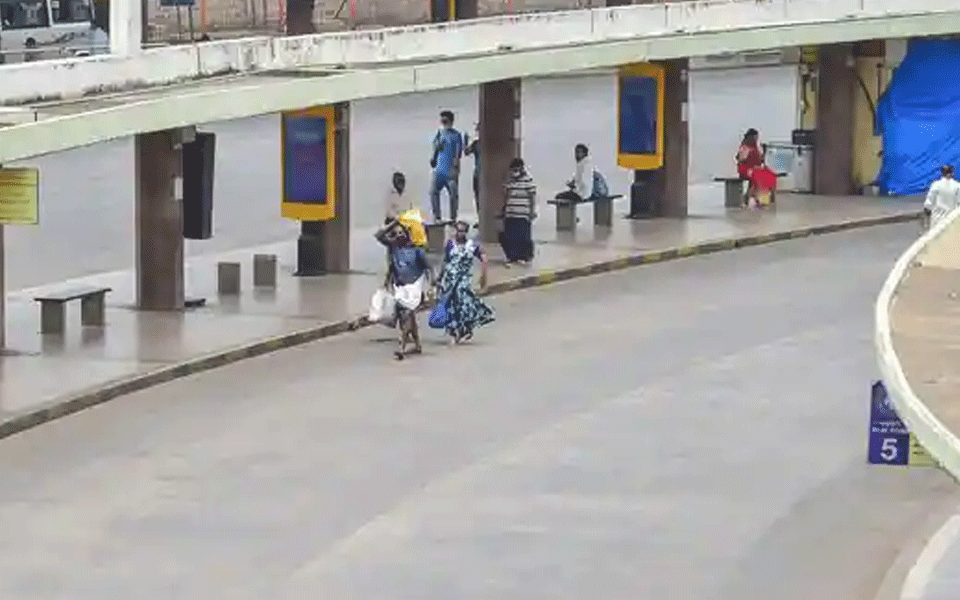
Speaking strictly about the lockdown, the CM had added that nobody will be allowed to come out on street except for emergency reasons and during the 4-hour window between 6:00 am to 10:00 am where shops and businesses dealing with essential items will be allowed to remain open.
The guidelines issued by the government, it made it clear about what will be allowed to open and what will not in the four-hour window between 6:00 am to 10:00 am during the lockdown.
“Shops dealing with food, groceries, fruits and vegetables, meat and fish, and animal fodder shall be allowed to function from 6 am to 1O am. Public Distribution System shops are allowed” the guidelines stated.
“Take away only is allowed from Standalone liquor shops and outlets, from 6 am to 10 am. The sale of vegetables and fruits through pushcarts is allowed from 6 am to 6 pm. Milk booths and Hopcom outlets are allowed from 6 am to 6 pm” it further added.
Hotels, restaurants, and eateries shall be permitted to operate kitchens for take away/home delivery of food items only. No vehicles will be allowed to be used by persons for taking parcels/takeaway. The only movement by walk is allowed for this purpose. However, hotels, restaurants, and eateries can use vehicles for home delivery. (General public going out for taking away food from hotels, restaurants, and eateries cannot use vehicles)
The government order also added the home delivery of essential items shall be encouraged 24x7 to minimize the movement of individuals outside their homes.
All food processing and related industries, Banks, insurance offices and ATM, Print and electronic media, telecom services, internet services are other services whose personnel and vehicles will be allowed unrestricted movement during the lockdown.
Construction activities with laborers staying on-site will be allowed outside containment zones adhering to the COVID-19 national directives.
Marriages already scheduled will also be allowed with a maximum attendance of 50 people during the ceremony while cremations and funerals will be allowed with a maximum attendance of five people adhering to the COVID-19 appropriate behavior.
Inter-district and Inter-state travel will be restricted and will only be allowed in emergency cases.
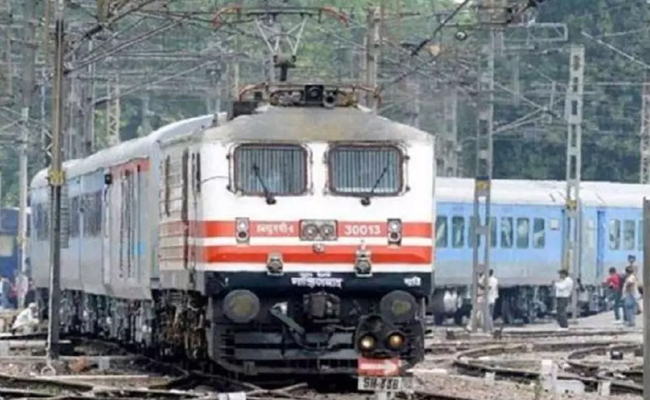
It also added people having reservations of train/flight tickets will be allowed to travel. Metro services however will be out of service will taxis and auto-rickshaws will only be allowed to ply in cases of emergencies.
All Agricultural and allied activities outside containment zones will also be permitted. Allied activities include Fisheries, poultry, Meat, Dairy, etc.
Under the social sector, the Operation of homes for children/disabled/mentally challenged/senior citizens/ destitute/ women/widows, Observation homes, after-care homes, and places of safety for juveniles will be allowed to be operational as usual.
Under the Health sector, all health services including AYUSH and Veterinary Hospital will remain functional outside containment zones.
All modes of public transport including metros and busses will remain closed during the lockdown.
Let the Truth be known. If you read VB and like VB, please be a VB Supporter and Help us deliver the Truth to one and all.
Hormuz Strait disruptions have caused huge economic impact, energy instability in region: Navy chief
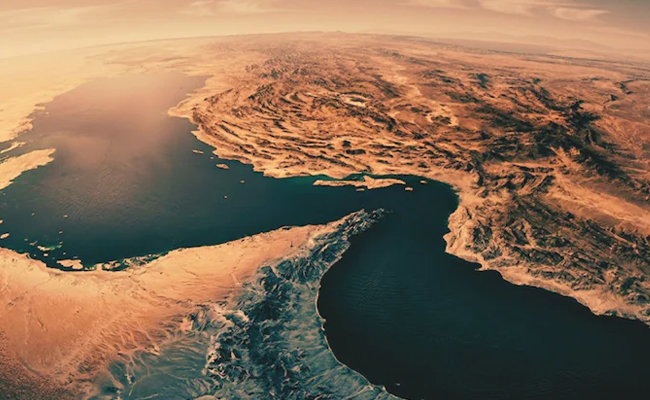
Mumbai (PTI): The Strait of Hormuz disruptions have caused severe economic impact and energy instability in the region, Indian Navy chief Admiral D K Tripathi said on Thursday amid the war in West Asia.
Speaking at an event where INS Sunayna, an offshore patrol vessel, set sail from Mumbai as Indian Ocean Ship (IOS) Sagar, the admiral said competition at sea has no longer remained confined to oil and energy.
It is now expanding towards resources that will shape future growth - such as rare earth elements, critical minerals, new fishing grounds and even data, he said.
The West Asia crisis began on February 28 after a joint attack by the US and Israel on Iran.
Iran's strikes on its neighbours along with its chokehold on the Strait of Hormuz have disrupted the world's energy supplies with effects far beyond West Asia.
"With the conflict in West Asia well into its fifth week, the disruptions in the Strait of Hormuz have caused severe economic impact and energy instability in the region," Tripathi said.
There is significant increase in the marine survey, deep-sea research activity, and Illegal Unreported and Unregulated Fishing (IUU), often encroaching upon the sovereign rights of littoral nations and exploiting gaps in monitoring and enforcement, he said.
Alongside these, threats such as piracy, armed robbery and narco-trafficking backed by unimpeded access of advanced technology to non-state actors, have also become more complex and challenging to counter, the Navy chief pointed out.
Last year alone, the Indian Ocean Region witnessed a staggering 3,700 maritime incidents of varying nature, the admiral said.
Additionally, narcotics seizures in the region exceeded USD 1 billion USD in 2025, highlighting the persistence and spread of such challenges in the region, he said.