High-rise curbs choking Bengaluru growth, says Shivakumar; seeks parity with other metros
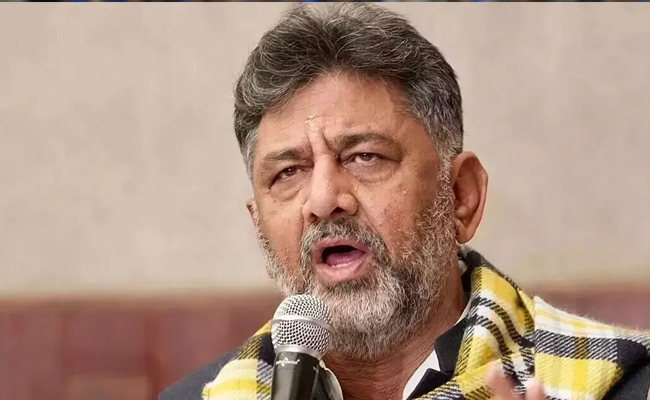
New Delhi/Bengaluru (PTI): Karnataka Deputy Chief Minister D K Shivakumar on Wednesday said high-rise development in Bengaluru is being severely constrained due to restrictions imposed by civil aviation authorities and defence establishments, impacting the city’s growth and urban planning.
He said multiple zones around key aviation and defence facilities have stringent limits on building heights, making it difficult to accommodate the city’s expanding population and infrastructure needs.
“High-rise development in Bengaluru city is becoming increasingly restricted. We are unable to widen roads much either. On one side, there is HAL Airport, on another Kempegowda Airport, then Jakkur Airfield, and the Air Force base at Yelahanka. Because of this, high-rise construction is not permitted for several kilometres around these areas,” Shivakumar told reporters in Delhi.
He said the issue was raised during a meeting with Union Civil Aviation Minister Kinjarapu Ram Mohan Naidu, seeking relaxation of norms to bring Bengaluru on par with other metro cities.
Highlighting the impact of these restrictions, Shivakumar said even key projects have been affected.
“I had proposed a Skydeck project and worked on it for nearly two-and-a-half years, but eventually we had to shift it… HAL imposed restrictions, saying nothing can be done within a 20-kilometre radius,” he said.
He noted that despite the introduction of premium Floor Area Ratio (FAR), developers are unable to utilise it due to these curbs.
“We have introduced premium FAR, and developers are willing to pay, but they are unable to utilise it due to these restrictions. This is affecting both development and government revenue,” he said.
Pointing out disparities with other cities, he said, “In cities like Hyderabad and Mumbai, such restrictions are comparatively less. We have requested that Karnataka be given similar norms as other states, allowing greater building heights.”
The Deputy CM said the Centre has assured a review of the issue in coordination with defence authorities.
“They are addressing it step by step… They said this problem exists in many other states as well and assured a comprehensive approach. We are continuing to exert pressure,” he said.
He reiterated that large parts of Bengaluru, especially areas around HAL and Yelahanka, remain under tight control.
“HAL and Yelahanka also fall under such restrictions,” he added.
Let the Truth be known. If you read VB and like VB, please be a VB Supporter and Help us deliver the Truth to one and all.
No unannounced load shedding in Kerala, outages due to overload, says Minister
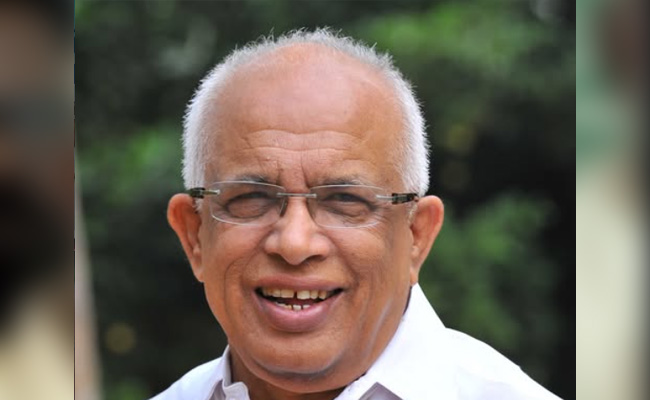
Palakkad (PTI): Kerala Electricity Minister K Krishnankutty on Saturday said there was no unannounced load shedding in the state, attributing recent power interruptions to temporary overload caused by high consumption.
Clarifying concerns raised from various parts of the state, the minister said the disruptions are not deliberate but occur when demand peaks, particularly between 10 pm and 11 pm.
"It is not being done intentionally. Power consumption has risen sharply, and when there is excessive and indiscriminate usage, the system experiences overload, leading to natural supply interruptions," he told reporters here.
His remarks come amid complaints that several areas have been witnessing frequent power cuts, often lasting around 15 minutes and occurring multiple times during the night.
Krishnankutty said the state's power demand has crossed 6,195 MW, putting pressure on the supply system. He added that around 70 per cent of Kerala's electricity is procured from outside, and existing power banking arrangements have been exhausted.
"We have approached the Regulatory Commission seeking permission to purchase more power. However, this will come at a higher cost," he said.
The minister said the government is trying to avoid increasing electricity tariffs and urged consumers to exercise restraint in usage to help manage the situation.
Responding to opposition criticism over the ruling LDF's earlier claims of a decade without power cuts, he said the current situation is not unique to Kerala.
A power crisis is emerging across the country, he said, and sarcastically asked the Opposition to take note of the role of natural factors in this.
Krishnankutty expressed confidence that the situation would improve within two days, while cautioning that long-term energy security would depend on enhancing in-state power generation.
He also warned that future generations could face serious challenges if adequate electricity production capacity is not developed within Kerala.