Hold competitive exams in Kannada as well: CM Siddaramaiah to Centre
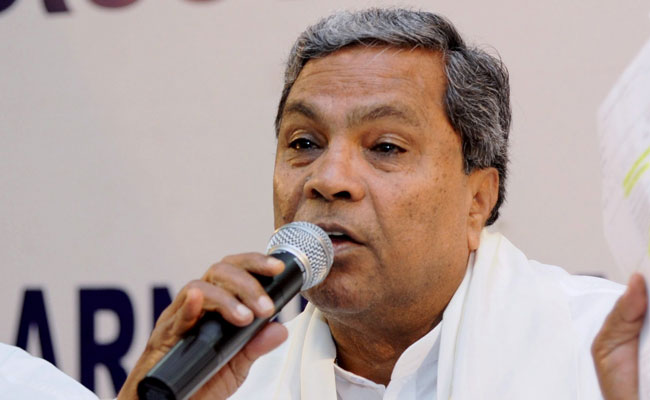
Bengaluru (PTI): Karnataka Chief Minister Siddaramaiah on Wednesday made a pitch for holding competitive exams for central government jobs in Kannada saying it is not possible to conduct them in Hindi or English alone.
Addressing people at Kanteerava Stadium on the occasion of 68th Karnataka Rajyotsava, the Chief Minister said he would write to Prime Minister Narendra Modi to take a relook at the medium of language for these exams.
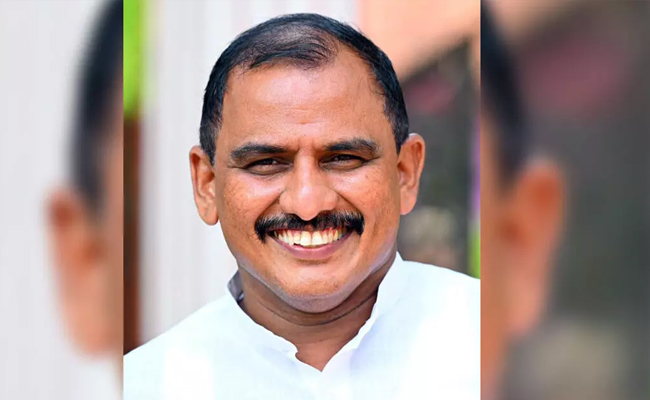
"Shivaji Nagar MLA Rizwan Arshad has rightly said that the Central government conducts the exams only in Hindi and English. We need to oppose it," he said.
According to him, it is not possible to hold the competitive exams in Hindi and English alone.
"Our children will write the exams in the language they know. I will request our Prime Minister to take a relook (at the mode of language)," Siddaramaiah said.
Noting that only government schools have Kannada as the medium of instruction and not private schools, the Chief Minister lamented there was a misconception among people that those studying in private English medium school alone were talented and secure a decent job.
Siddaramaiah also pointed out that the state produced many eminent scientists who studied in the Kannada medium.
"The Supreme Court has said that parents have the right to get their child educated in the medium of instruction of their choice...," he added.
Siddaramaiah also emphasised the need to upgrade government schools so that the students studying there receive quality education.
In this regard, he felt the need to make Kannada compulsory till 10th standard in Karnataka.
The Chief Minister announced free electricity and water for government schools from Wednesday onwards to improve their condition.
Let the Truth be known. If you read VB and like VB, please be a VB Supporter and Help us deliver the Truth to one and all.
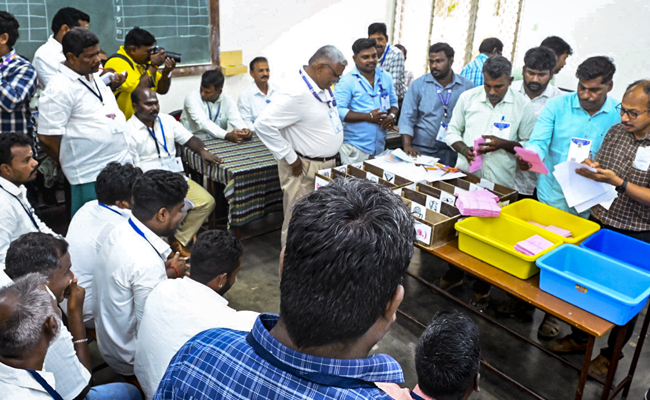
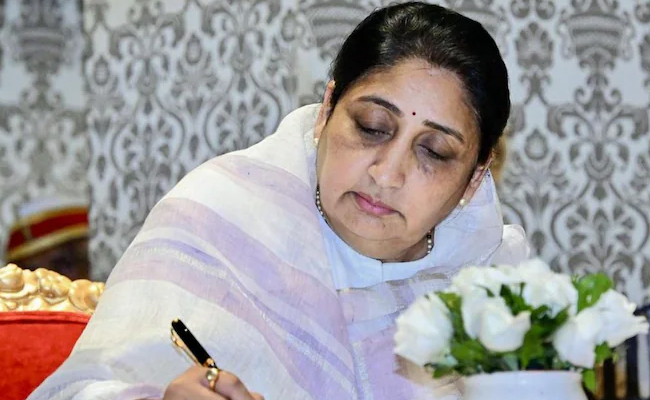
Mamata asks TMC nominees not to leave counting centres as EC data shows BJP leading
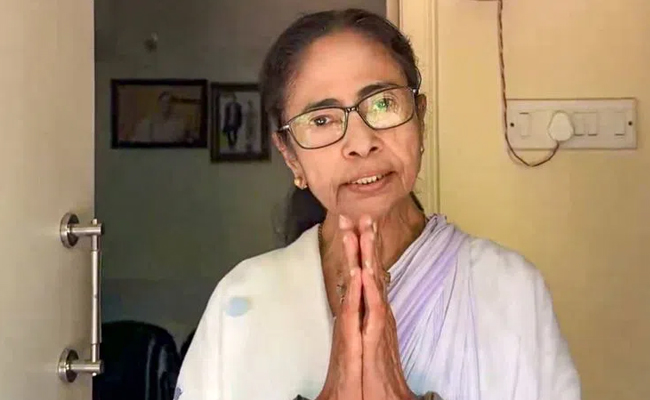
Kolkata (PTI): West Bengal Chief Minister Mamata Banerjee on Monday urged TMC candidates and agents to remain vigilant and not to leave counting centres, alleging that there was a "game plan" by the BJP and the Election Commission to show the saffron party taking a lead in the early trends of counting.
In a video message issued during the counting of votes, the TMC supremo appealed to party workers to stay put and not to lose morale.
"I appeal to everyone that neither TMC candidates nor counting agents should abandon counting centres," she said.
As trends on the Election Commission website indicated the BJP leading in 188 seats against the TMC's 94, Banerjee maintained that her party was still ahead in a significant number of constituencies.
"We are still ahead in 170 seats, but I request everyone not to lose hope," she said, adding that there were "around 70 to 100 seats where we are leading, but they are not sharing the data of those seats".
"A false narrative is being spread," she alleged.
The chief minister accused the Election Commission of "not declaring results or leads" in areas where the TMC was ahead.
"This is a game plan by the EC and the BJP as it (poll panel) is not declaring results or leads in areas where we are leading," she said.
Banerjee also alleged irregularities in the counting process at some locations.
"In several places, counting has been stopped after the first two to three rounds. In Kalyani, we have caught seven machines with severe anomalies," she claimed.
She further alleged that TMC workers were being "harassed with the help of central forces" and that party offices were being "vandalised and forcefully captured".
"With the help of central forces, they are harassing and torturing AITC workers. Our offices have been vandalised," she said, also alleging that voter list revision exercises were "purposefully done to target seats where we were strong".
Seeking to reassure party workers, Banerjee said more rounds of counting were yet to take place and urged them to stay firm.
"Fourteen to eighteen rounds of counting will happen. You will surely emerge victorious. Don't be afraid; fight like tigers," she said.
Her remarks came as counting trends suggested that the BJP was leading in 188 seats and had crossed the halfway mark of 148 in the 294-member assembly, pointing to a potential shift in the state's political landscape.
Counting for 293 constituencies was underway with postal ballots, followed by EVM votes.
Officials cautioned that trends could change as more rounds are counted, and final results would be known later in the day.
জরুরি বার্তা pic.twitter.com/Uc82oihwEL
— Mamata Banerjee (@MamataOfficial) May 4, 2026