Hunsur schoolchildren, teachers injured as speeding school bus overturns in Shivamogga
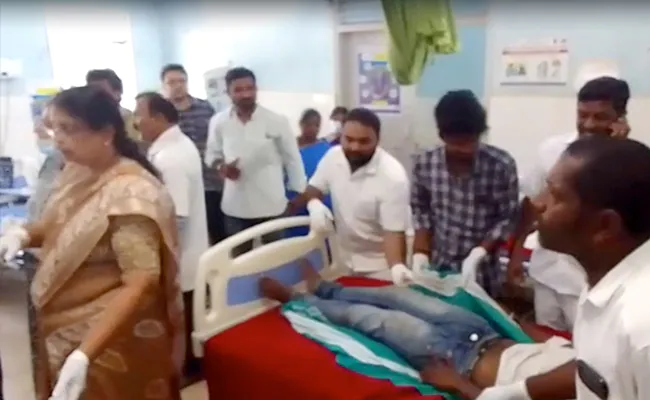
Shivamogga: More than 20 people were injured in a school bus accident in Shivamogga district on Thursday morning.
The bus, which was speeding, overturned at Vakkodi near Tumari in Sagara taluk of Shivamogga district at around 9 am, reports NDTV.
While the bus had 47 students on board, the injured included about 18 schoolchildren and three teachers, the police have said, adding that the children are students of the Government High School, Dharmapura in Hunsur Taluk of Mysuru district.
The injured have all been taken to hospital.
Let the Truth be known. If you read VB and like VB, please be a VB Supporter and Help us deliver the Truth to one and all.
Man arrested with Rs 2.54-crore heroin in Mumbai

Mumbai (PTI): Police have arrested a man and seized over 500 grams of heroin worth Rs 2.54 crore in the illicit market from him in Mumbai, officials said on Friday.
The police's Anti-Narcotics Cell (ANC) made the drug seizure in Santacruz in the western suburbs. The operation was conducted by the Kandivali unit of the ANC on Thursday as part of a special crackdown against drug trafficking in the area, they said.
Acting on specific inputs, an ANC team conducted a raid in Santacruz (East) and intercepted a man. During a search, the team recovered 508 grams of high-grade heroin from his possession, an official said.
The seized contraband, a highly addictive, opioid drug derived from morphine, is estimated to be worth Rs 2.54 crore in the international market, he informed.
Following the seizure, a case was registered against the man under relevant sections of the Narcotic Drugs and Psychotropic Substances (NDPS) Act, 1985, and he was formally placed under arrest in the early hours of Friday.
The police are currently investigating the source of the drug and trying to identify the intended recipients of the consignment, he said.