'Inter-State Water Disputes Act' needs to be totally amended: Karnataka CM Bommai
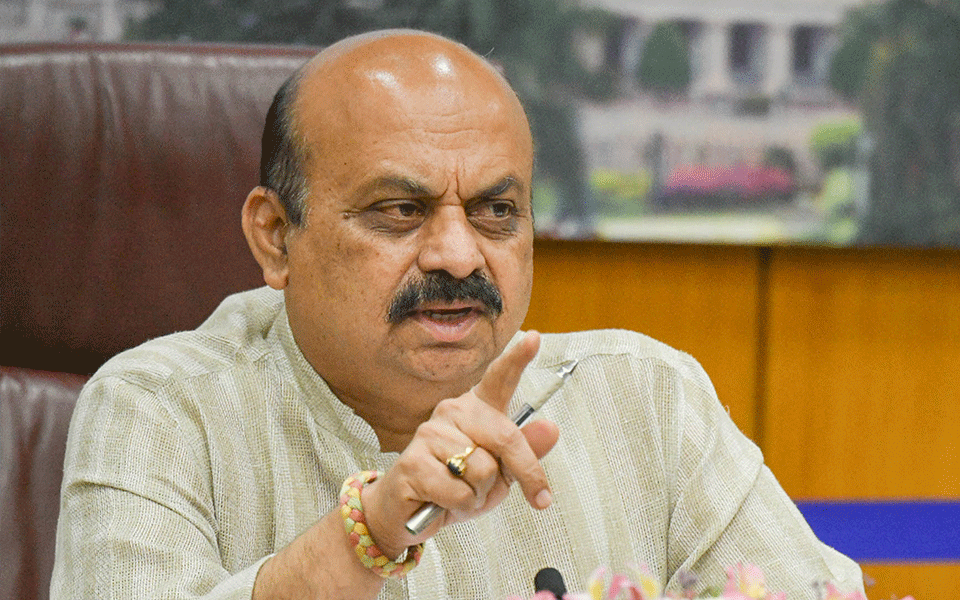
Bengaluru(PTI): Karnataka Chief Minister Basavaraj Bommai on Saturday said the 'Inter-State Water Disputes Act' needs to be totally amended, as it creates more disputes than resolving them.
He was addressing the southern states' conclave on the 'Jal Jeevan Mission' and 'Swachh Bharat Mission' (Rural) Projects here.
"Our Inter-State Water Disputes Act needs to be totally amended. The name itself says interstate water disputes act. It creates more disputes than solving disputes. We need correction in our law so that more water is available for different sections of people, instead of narrow political considerations," Bommai said.
He claimed that river basin management is the only answer for that. Stressing on the need for high quality efficiency in irrigation, the CM said there is misutilisation of a lot of water in irrigation.
He said, "our canal carrying capacity at the national level is not more than 45 per cent , so there is a gap of almost 55 per cent in our canal carrying capacity. Once we improve all these things a lot of water will be available."
Also noting that we are facing environmental challenges, he said the perennial rivers are turning into seasonal rivers, and rivers are drying up even before reaching the sea.
Assuring relentless efforts for time bound implementation of Jal Jeevan Mission projects in Karnataka, Bommai said, of the 97.91 lakh rural households, tapped water has to be provided for 25 lakh households in the initial phase, while the achievement has been about 18 lakh, and the target of 25 lakh would be met within the next few months.
".... more funds have been provided in the budget for implementing the project. I am personally overseeing the project to see to it that it will be completed in time," he said, adding that next year's target will 100 percent be met on time.
Let the Truth be known. If you read VB and like VB, please be a VB Supporter and Help us deliver the Truth to one and all.
NEET student hangs self in Rajasthan's Sikar
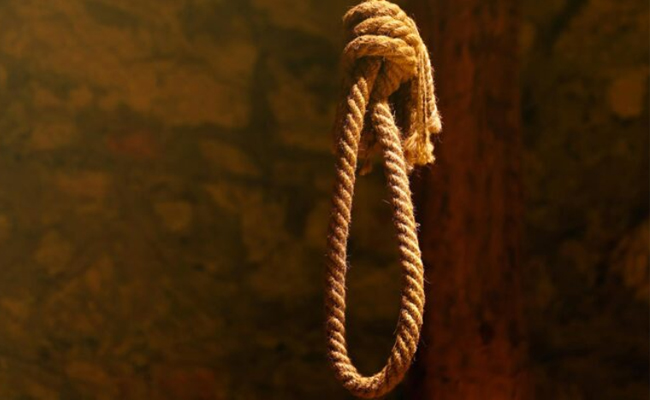
Jaipur (PTI): A student preparing for the NEET examination allegedly committed suicide by hanging himself in a rented room in Rajasthan's Sikar on Friday, police said.
According to the police, the student allegedly hanged himself from a ceiling fan using his sister's scarf while one sister was attending coaching classes and the other was in the bathroom.
He had appeared in the NEET UG exam 2026, which was cancelled due to paper leak, they said.
Udyog Nagar SHO Rajesh Kumar said that the deceased, identified as Pradeep Meghwal, was a resident of Kanika ki Dhani village in Jhunjhunu's Gudha Gaudji area.
He had been living in a rented room in Sikar's Jaldhari Nagar area with his two sisters while preparing for NEET over the last three years.
His elder sister later found him hanging and informed the landlord and police after bringing him down, officials said.
The SHO said the body was kept at SK Hospital mortuary, and a postmortem had not been conducted.
The student's father, Rajesh Kumar Meghwal, told police that Pradeep's NEET examination had gone well and the family was expecting him to score around 650 marks.
Former Rajasthan deputy chief minister Sachin Pilot expressed grief over the incident and linked it to anxiety among students after reports of irregularities and paper leaks in NEET 2026.
Pilot said repeated paper leak incidents and cancellation of examinations were affecting students' mental health and demanded a time-bound investigation and strict action against those responsible.