Introduce Vande Bharat from Bengaluru to Goa via coastal Karnataka: Kumaraswamy urges Vaishnaw
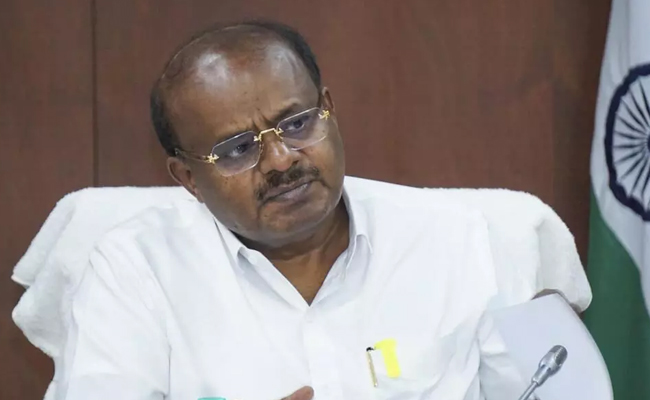
Bengaluru (PTI): Union Heavy Industries and Steel Minister H D Kumaraswamy on Tuesday urged Railway Minister Ashwini Vaishnaw to consider introducing a Vande Bharat Express service between Bengaluru and Madgaon in Goa via coastal Karnataka.
He cited the long-pending public demand and improved operational readiness of the route.
In a letter to Vaishnaw, Kumaraswamy said the proposed high-speed service would significantly enhance rail connectivity between the state capital and the coastal belt of Karnataka and Goa, especially in the wake of the successful electrification of the ghat section.
He noted that the corridor linking Bengaluru with Hassan, Mangaluru Junction, Udupi and Karwar caters to a wide and diverse passenger base, including tourists, pilgrims, students and professionals.
"I would like to draw your kind attention to a long-standing and widely shared public aspiration for improved high-speed rail connectivity between Bengaluru and the coastal belt of Karnataka and Goa. With the successful completion of electrification across the ghat section, the route is now operationally well-positioned for the introduction of a Vande Bharat Express service," Kumaraswamy said in the letter.
The former Karnataka Chief Minister pointed out that a Vande Bharat Express on this route would strengthen the link between Bengaluru, described as the IT capital of India, and the major commercial, port and tourism centres of coastal Karnataka and Goa.
He said enhanced connectivity would not only reduce travel time, but also improve passenger comfort and reliability.
Kumaraswamy further requested the Railway Minister to direct the South Western Railway to examine the feasibility of the proposed service and initiate appropriate action.
He said the introduction of the train would help meet growing passenger demand, promote regional economic activity, boost tourism and enhance inter-state connectivity.
According to the letter, the proposal is aligned with the union government's vision of building an integrated, efficient and modern rail network across the country.
Kumaraswamy, the JD(S) second-in-command, said he would be grateful for favourable consideration of the request and for initiating the necessary administrative process at an early date.
Let the Truth be known. If you read VB and like VB, please be a VB Supporter and Help us deliver the Truth to one and all.
Sengottaiyan secures historic 10th victory in Gobichettipalayam assembly constituency
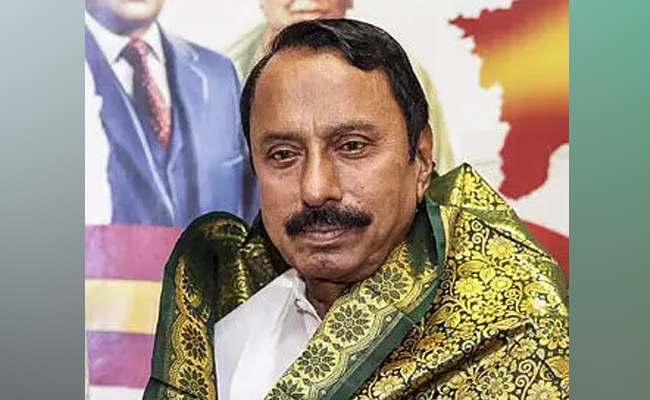
Gobichettipalayam (Tamil Nadu) (PTI): In a historic 10th win, veteran leader K A Sengottaiyan clinched the Gobichettipalayam seat in the 2026 Assembly elections.
Contesting for the first time under actor Vijay’s TVK, the 78-year-old secured approximately 71,380 votes, defeating DMK’s N Nallasivam by a margin of nearly 13,000 votes.
This win marks Sengottaiyan’s 10th consecutive victory in the constituency, cementing his status as an immovable force in the region despite his high-profile exit from the AIADMK in late 2025.
His success was a cornerstone for the TVK, which emerged as a formidable force across the state. Supporters celebrated the win as a testament to Sengottaiyan’s personal influence, which successfully transitioned from his former Dravidian home to the newly formed TVK.