Issue SC certificates to persons belonging scheduled castes, converted to Buddhism: Karnataka govt

Bengaluru (PTI): Karnataka government has issued an order to provide SC caste certificates to people belonging to the scheduled castes even after their conversion to Buddhism.
This order will be applicable to persons belonging to any of the 101 Scheduled Castes in the state who converted to Buddhism, the social welfare department said in its order.
"It is ordered to issue the Scheduled Caste Certificate to persons belonging to 101 Scheduled Castes in the Karnataka Scheduled Caste list who have converted to Buddhism, as per the Karnataka Scheduled Castes, Scheduled Tribes and Other Backward Classes (Reservation in Appointments, etc.) Act, 1990 (Amendment) Act, 2024 and Rules, 1992," the order dated October 6 said.
The order provides for allowing to mention 'Buddhism' in the religion column in applications for Scheduled Caste Certificates.
Also, allowing the applicants/parents to enter Buddhism in the religion column in the documents of government schools/private schools/all other educational institutions under the jurisdiction of the Department of School Education and Literacy, if they so wish.
"All departments, boards and corporations/other institutions of the Government of Karnataka shall act as per the said order," it added.
Citing the union government's instructions in a letter written in 1990, the department in its order said that based on the letter, the state government issued a circular in 2013, allowing scheduled caste persons converting to Buddhism to obtain SC certificates.
In 2016, the Union government again asked chief secretaries of all states to ensure that scheduled caste people who become Buddhists get SC certificates.
"Although a circular was issued, several organisations have petitioned the government seeking clarity and an appropriate order on this," the social welfare department said.
Buddhists come under the religious minorities list in Karnataka along with Muslims, Christians, Sikhs, Parsis, and Jains.
Let the Truth be known. If you read VB and like VB, please be a VB Supporter and Help us deliver the Truth to one and all.
Bengaluru jail introduces biometric tracking system for prisoners
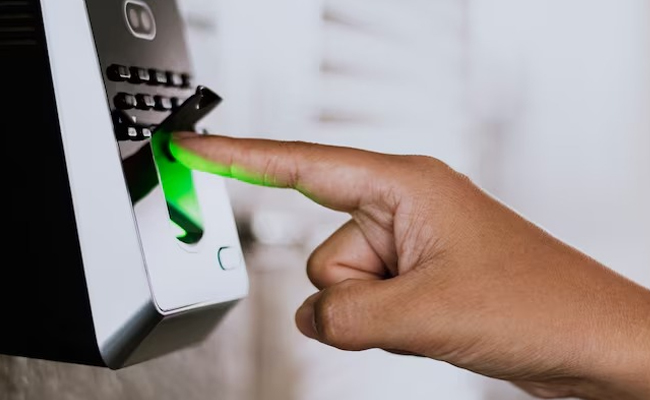
Bengaluru: In a bid to curb misconduct and illegal activities inside Parappana Agrahara Central Prison, prison authorities have introduced a new ‘Prisoners Tracking Movement System’ under which inmates will have to undergo biometric verification while entering every barrack.
According to jail officials, biometric systems have been installed across all major sections of the prison, including barracks, visitor rooms, hospital, canteen, kitchen, library, playground, handicraft units and bakery sections. Staff members have also been deployed at these locations.
Officials said inmates visiting the visitors’ room must now obtain a digital token after biometric verification. Details such as the prisoner’s name, identification number and entry time will be updated in the prison software system. This will help authorities maintain a complete digital record of inmates visiting and returning from meeting rooms.
Similar systems have also been introduced at entry points of the hospital, library and other barracks accessed for work-related purposes. Officials said the system will help identify prisoners involved in suspicious or illegal activities with other inmates and enable authorities to track how much time a prisoner spends at different locations inside the prison.
Authorities stated that AI-powered cameras were already being used inside the prison to monitor inmates as well as prison staff. Along with this, digital tracking of prisoner phone calls and a digital token system for visitor meetings have now been added to strengthen surveillance over inmate movement. Officials said the project has been implemented at a cost of around Rs 2.25 crore.
The prison department has also introduced a canteen usage tracking system to monitor prisoners’ spending patterns. Instead of direct cash payments, inmates can purchase bakery items and snacks using wallets or coupons issued within the prison system.
Officials said the digital system will record details including the buyer’s name, items purchased, quantity, date, time and remaining wallet balance. This will allow prison authorities to maintain complete expenditure records of inmates.