Mandya Lok Sabha seat: JDS postpones Nikhil's nomination date
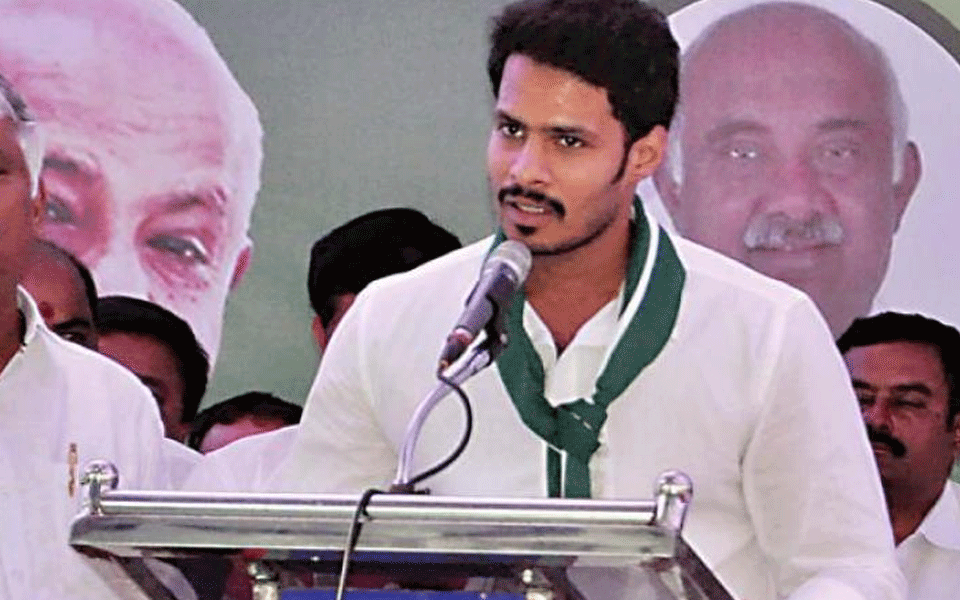
Bengaluru, Mar 21: The Janata Dal (Secular) on Thursday postponed the filing of nomination by Nikhil Gowda from Mandya Lok Sabha seat to next Monday.
Nikhil Gowda is the son of Karnataka Chief Minister H D Kumaraswamy and grandson of JDS supremo and former prime minister H D Deve Gowda, who is launching the third generation of his clan from party citadel Mandya.
"We did plan the filing of nomination by Nikhil today (Thursday), but after much deliberation, we postponed it to March 25," JDS MLC T A Sharavana said.
Sharavana said the reason behind postponing the nomination date was that March 25 falls on Monday, which happens to be the day of Lord Shiva, the family deity of the Gowda family.
"We have planned the event in a grand manner, which people of Mandya had never seen before," the JDS leader added.
JDS insiders told PTI that the mighty show of strength by multilingual film actress Sumalatha while filing her nomination papers on Wednesday made the party leadership postpone Nikhil Gowda's nomination and plan a grand event.
Sumalatha, widow of popular Kannada film actor and former Congress MP from Mandya, Ambareesh, has decided to contest the election as an Independent after being denied a ticket. She accused the Congress of not recognising the work done by Ambareesh for the party.
Deve Gowda was supposed to visit Mandya on Thursday, but it was cancelled at the last minute, said party spokesperson Ramesh Babu, without citing any reason.
Meanwhile, the Bharatiya Janata Party's probable candidate for Mandya -- Dr Siddaramaiah, who had lost the Mandya Lok Sabha bypoll last November -- has started campaigning, though the saffron party has not released the list of candidates.
The BJP said it would put up its candidate as it is apprehensive that Sumalatha might withdraw her nomination at the last minute.
In the assembly election last May, the JDS had won from all the eight assembly segments under Mandya, besides winning the Mandya by-election.
Let the Truth be known. If you read VB and like VB, please be a VB Supporter and Help us deliver the Truth to one and all.
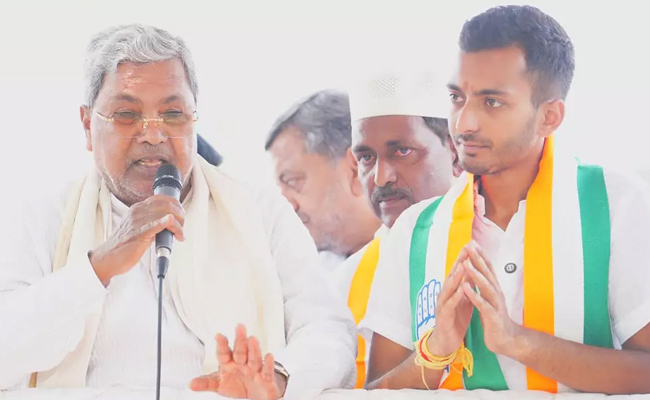
Cong performed better in Kerala, anti-incumbency trends influenced WB, TN: CM Siddaramaiah
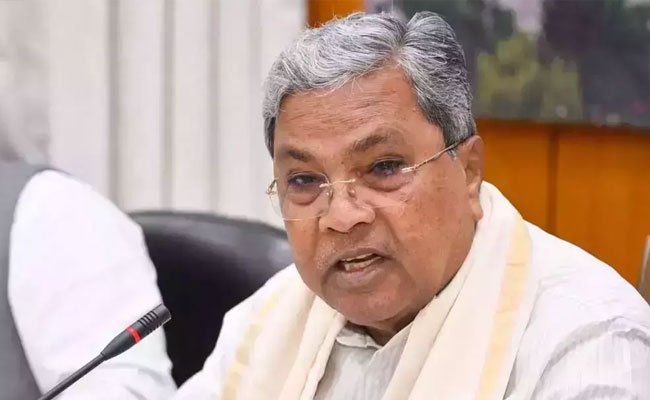
Bengaluru (PTI): Karnataka Chief Minister Siddaramaiah on Monday said the Congress had largely met or exceeded expectations in several States, even as results in some regions reflected shifting voter sentiments.
Speaking to reporters in Bengaluru, he said the party accepted the mandate in Assam while performing better than anticipated in Kerala.
He also pointed to possible anti-incumbency trends influencing outcomes in West Bengal and Tamil Nadu.
“In Assam, we got the expected result, and we accept the people’s mandate. In Kerala, we have won more seats than expected. We anticipated around 76 to 80, but we have gone up to around 95,” Siddaramaiah said.
In West Bengal and Tamil Nadu, there may have been an anti-incumbency trend, and that could have influenced the results, he added.
Siddaramaiah also extended his congratulations to a new political entrant in Tamil Nadu, noting the emergence of a different electoral dynamic in the State.
“I congratulate the new entrant who has achieved success there,” he added.
Deputy Chief Minister D K Shivakumar said electoral outcomes in some States had diverged from the party’s internal assessments, reflecting evolving voter expectations.
“We expected a certain trend, but the results have been different. Political reading was wrong in some places,” he said.
“People were looking for change in some States, and that has been reflected in the results,” Shivakumar, who is also the Congress Karnataka unit president, said.
Referring to Kerala, he said the Congress-led alliance had benefited from public sentiment.
“There was already an expectation based on local body elections, and people had shown confidence in us. That has translated into a strong result,” the Deputy Chief Minister said.
On Tamil Nadu, he acknowledged that the scale of political shift had come as a surprise.
“We expected to secure around 30 to 40 per cent of the vote share, but such a major shift was not anticipated. It shows that voter expectations were different,” he said.
Shivakumar added that electoral outcomes underscored the need for better political assessment in future.
“We have to understand these changes carefully. Political reading cannot go wrong like this,” he said.